


When heavy equipment fails, the true cost of repair extends far beyond replacing damaged components. Production delays, emergency labor, expedited logistics, and repeat failures often represent the largest financial impact.
In mining, aggregate, power generation, and heavy industrial operations across the United States, Latin America, and the Caribbean, companies are increasingly turning to 3D engineering to improve repair accuracy, reduce uncertainty, and control total maintenance costs.
By combining precision measurement, advanced diagnostics, and digital engineering workflows, 3D engineering transforms traditional repair processes into data-driven solutions that improve machinery performance, extend service life, and minimize operational risk.
What Is 3D Engineering for Heavy Equipment?
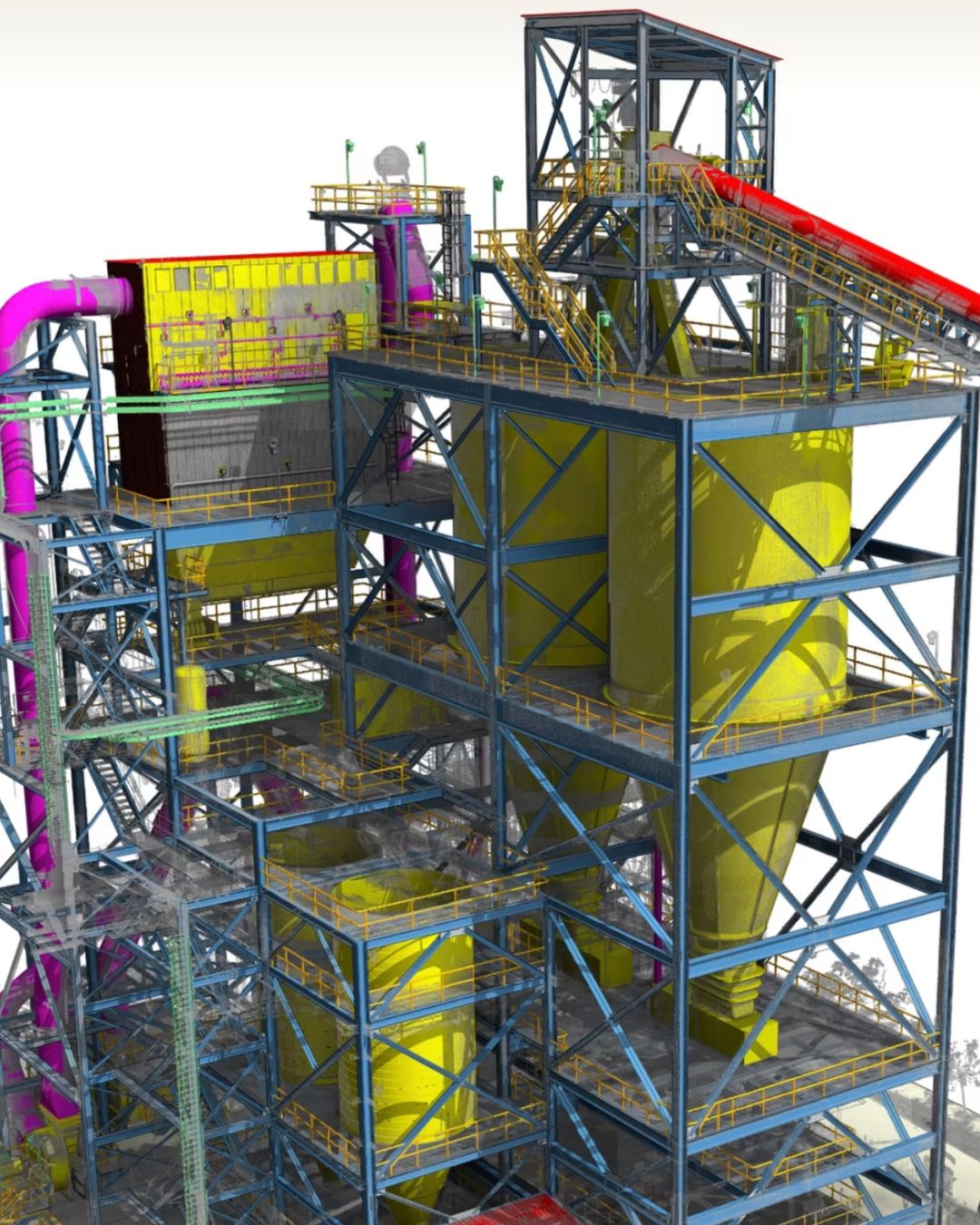
3D engineering in industrial maintenance refers to the use of high-precision measurement and digital modeling to capture the real, as-found condition of machinery components and assemblies.
Rather than relying solely on original drawings, assumptions, or manual measurements, 3D engineering analyzes how a component actually exists after years of wear, loading, and operational stress.
This process typically includes:
- high-accuracy measurement or 3D scanning of worn components
- reverse engineering of damaged or missing features
- CAD modeling to validate geometry and tolerances
- engineering analysis to confirm fit, alignment, and functionality
This data-driven approach eliminates guesswork and provides a clear foundation for accurate repair planning.
Why 3D Engineering Significantly Reduces Repair Costs
Traditional repair methods often focus on restoring individual parts without fully understanding how wear, distortion, or misalignment affects the entire assembly. This is one of the primary reasons why repaired equipment may experience repeat failures.
3D engineering reduces repair costs by addressing the root causes of failure rather than simply repairing visible damage.
Eliminating Rework and Repeat Failures
By capturing precise geometry before repair work begins, machining and rebuilding processes can be executed correctly the first time. This minimizes costly rework and prevents premature failures after equipment returns to service.
Reducing Downtime and Emergency Repairs
Accurate diagnostics enable maintenance teams to plan repairs efficiently, reducing unplanned outages, emergency labor costs, and expedited shipping expenses.
Improving Repair Accuracy and Predictability
Validated measurement data replaces assumptions. Components can be restored to proper alignment and geometry, resulting in predictable performance and longer operational life.
How 3D Engineering Improves Machinery Performance
Beyond cost reduction, 3D engineering plays a critical role in improving equipment reliability and operational efficiency.
Restoring Original Geometry and Operating Tolerances
Over time, wear, deformation, and thermal cycling distort critical features. 3D engineering identifies these deviations and ensures components are restored within correct operating tolerances.
Improving Alignment and Load Distribution
Misalignment is a leading cause of vibration, bearing failure, and accelerated wear. Precision measurement allows engineers to detect and correct alignment issues that would otherwise remain hidden.
Extending Component Service Life
When geometry, fit, and alignment are restored accurately, components operate under stable load conditions. This reduces stress concentrations, improves reliability, and extends maintenance intervals.
Heavy Equipment That Benefits Most from 3D Engineering
3D engineering delivers the greatest value in equipment where geometry, alignment, and tolerances directly impact performance and safety.
Common applications include:
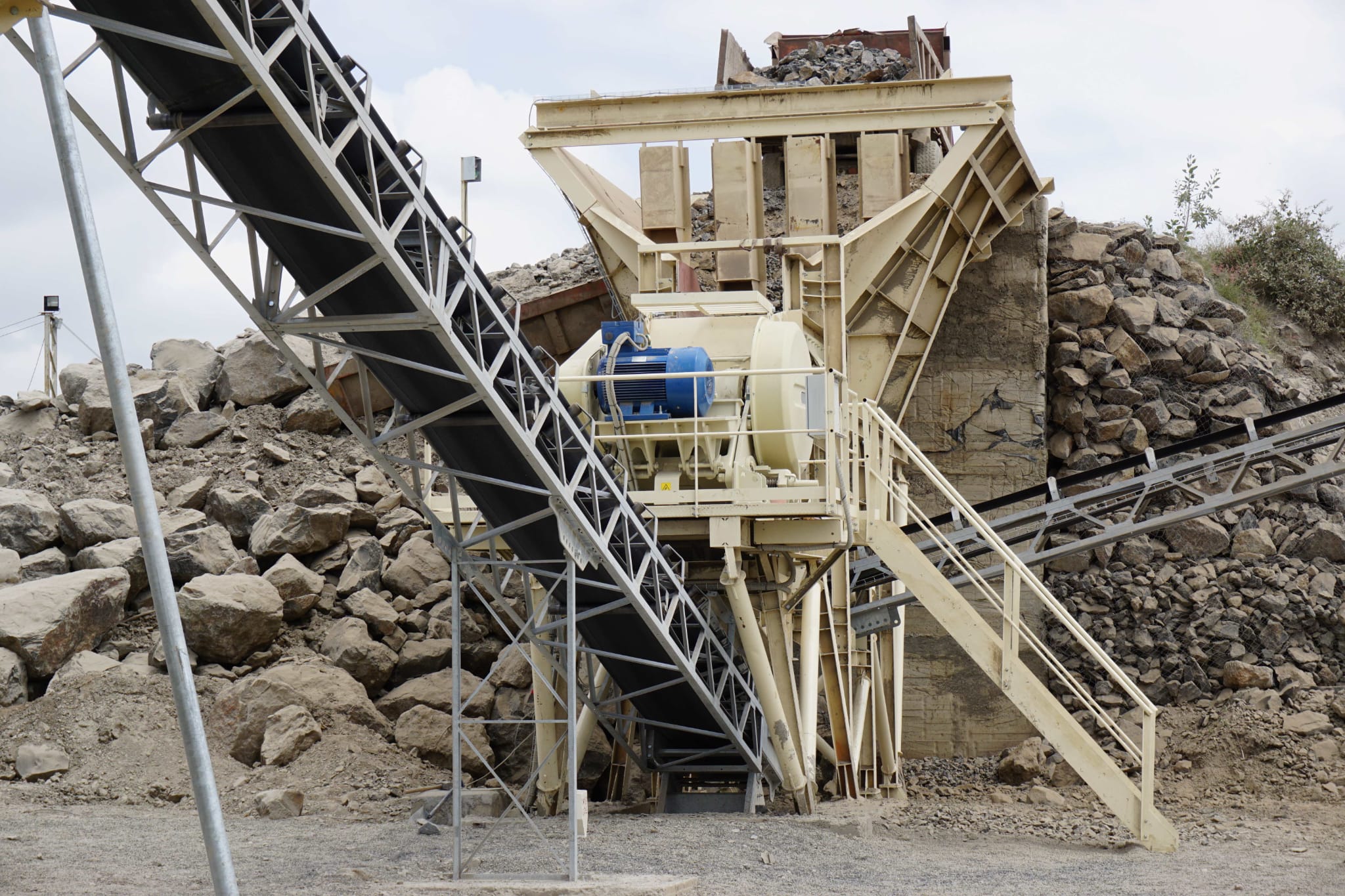
- crushers and grinding mills
- pumps and rotating equipment
- large gearboxes and drive systems
- heavy-duty diesel engines
- structural components and machine frames
In these systems, even minor deviations can lead to significant performance losses or failure risks.
Supporting Repair vs. Replacement Decisions
One of the most valuable applications of 3D engineering is enabling informed repair-versus-replace decisions.
When OEM lead times are long or replacement costs are high, 3D engineering provides the data needed to determine whether a component can be safely repaired, remanufactured, or upgraded.
Accurate condition data helps evaluate:
- structural integrity
- remaining service life
- compatibility with mating components
This reduces risk while optimizing maintenance budgets.
Real-World Applications of 3D Engineering
3D engineering is widely used across heavy equipment repair processes.
Rotating Equipment
Shaft alignment, bearing fits, and concentricity can be verified before and after repairs, reducing vibration and extending bearing life.
Structural Components and Housings
Distortion, cracking, and wear patterns can be accurately mapped, allowing repairs to be engineered rather than improvised.
Engine and Powertrain Components
Critical features such as cylinder bores, deck flatness, and interface geometry can be measured precisely to ensure proper sealing and performance.
What Gets Measured During a 3D Engineering Inspection?
A comprehensive 3D inspection evaluates critical features including:
- bore geometry and roundness
- concentricity and shaft alignment
- flatness of mating surfaces
- interface plane relationships
- wear patterns across load-bearing areas
These measurements allow engineers to quantify deviations from nominal geometry and define precise repair strategies.
When Is 3D Engineering Most Valuable?
3D engineering provides the highest return when:
- equipment has a history of repeat failures
- OEM documentation is outdated or unavailable
- repairs involve large or complex assemblies
- replacement lead times are excessive
- uptime and reliability are critical to operations
In these situations, precision diagnostics provide clarity, control, and measurable value.
Transforming Repairs into Data-Driven Processes
3D engineering converts traditional repair work into controlled, predictable processes. By improving diagnostic accuracy, repair quality, and long-term performance, it enables industrial operators to reduce risk, control costs, and extend asset life.
For high-value or critical equipment, the cost of 3D engineering is typically minimal compared to the financial impact of downtime or incorrect repairs.
Improve Equipment Reliability with Advanced Engineering Support
When recurring failures or uncertain repair outcomes threaten uptime, 3D engineering provides the data and precision needed to restore performance with confidence.
Contact our team to learn how advanced measurement, diagnostics, and engineering solutions can improve reliability, reduce repair costs, and protect your equipment investment.