


In mining, lead time is the time between identifying a part need and having that component installed and fully operational. Many teams treat lead time as a procurement issue, but in reality, it is a production risk that directly impacts equipment availability, maintenance planning, safety, and total operating cost.
When a critical spare is not available, the cost is not the part itself.
The real cost is the downtime, lost tonnage, and operational instability that follow.
This guide breaks down the true cost layers of lead time delays in mining operations, using real-world scenarios commonly seen across crushers, conveyors, pumps, and mobile equipment in operations across the USA, LATAM, and the Caribbean.
Why Lead Time Delays Are a Critical Mining Risk
Mining systems are highly synchronized. A single unavailable component can stop an entire production chain, regardless of how well other assets are performing. Long or unpredictable lead times increase operational risk by:
- Increasing unplanned downtime
- Forcing temporary or unsafe workarounds
- Disrupting planned maintenance schedules
- Driving emergency freight and expediting costs
- Creating reactive inventory decisions and panic buying
In remote sites or cross-border operations, these risks escalate rapidly due to logistics complexity, customs clearance, and limited supplier options.
The Hidden Cost Layers of Lead Time Delays
Downtime and Lost Production
When critical assets such as crushers, conveyors, pumps, or haul trucks are offline, production either slows or stops completely. In high-throughput mining operations, downtime costs can quickly reach tens or hundreds of thousands per day, depending on the asset’s position in the process.
What makes downtime especially costly is its cascading effect. A single delayed component can cause:
- Upstream material stockpiling
- Downstream processing starvation
- Missed shipping or contractual obligations
- Reduced plant efficiency over multiple shifts or days
These secondary impacts often extend well beyond the original delay.
Emergency Freight and Expedited Logistics
When lead times are underestimated, teams are forced into emergency solutions such as:
- Air freight or chartered transport
- Expedited customs clearance
- Split or partial shipments
- Last-minute supplier substitutions
While these measures may shorten delays, they significantly increase logistics costs and rarely eliminate the full operational impact. In LATAM and Caribbean regions, additional border and port constraints often compound these challenges.
Maintenance Disruption and Asset Stress
Lead time delays frequently force maintenance teams to operate outside planned strategies:
- Preventive maintenance is postponed
- Components run beyond recommended service limits
- Equipment operates under elevated stress conditions
Over time, this leads to accelerated wear, secondary failures, and reduced asset life. These long-term costs are often far greater than the initial delay itself and are rarely captured in standard procurement metrics.
Safety and Operational Risk
Temporary fixes and extended operation of worn components increase safety risk, particularly in heavy equipment operating under high loads. What starts as a supply chain issue can quickly become a risk management issue affecting personnel safety and environmental compliance.
Real-World Scenarios Where Lead Time Delays Hurt the Most
Scenario 1: Crusher Wear Parts Delays
Crusher liners and wear parts often reach end-of-life earlier than forecast due to ore variability or operating conditions. When replacements are unavailable, teams may be forced to reduce throughput, alter feed strategy, or shut down entirely. A simple parts delay quickly becomes a plant-wide bottleneck.
Scenario 2: Conveyor and Material Handling Components
Conveyors are the backbone of many mining operations. A delayed pulley, gearbox, or belt component can halt material movement across multiple processing stages, amplifying downtime far beyond the affected component itself.
Scenario 3: Pumps and Slurry Systems
Delayed seals, bearings, impellers, or pump assemblies can lead to leaks, efficiency loss, or forced shutdowns. In slurry and process systems, these delays may also introduce environmental or compliance risks, increasing the operational consequences.
Scenario 4: Mobile Equipment in Remote Operations
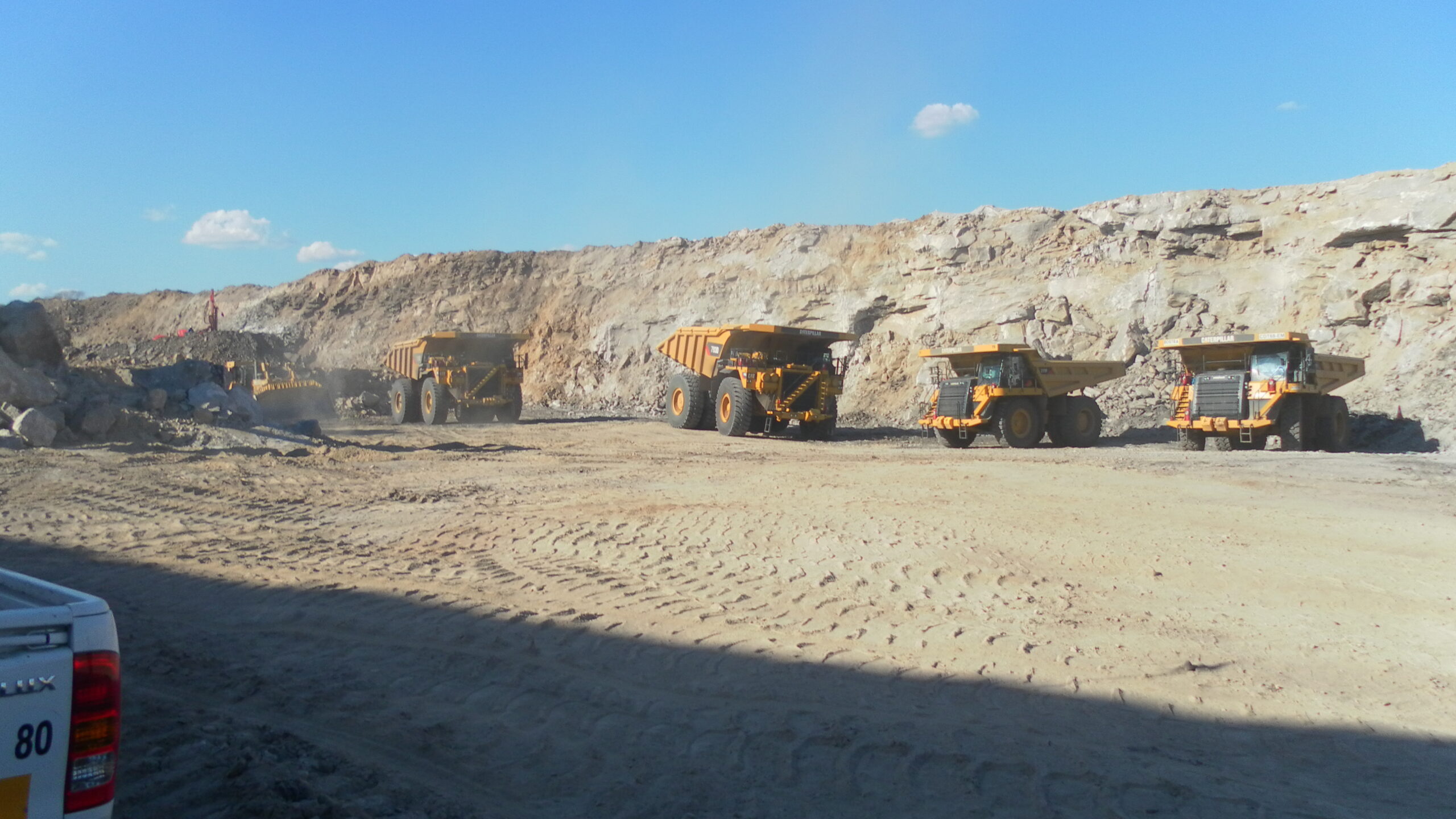
Lead time delays for loaders, haul trucks, drills, and support equipment are particularly damaging in remote sites. Logistics constraints, limited transport windows, and customs clearance can immobilize assets for extended periods, reducing fleet availability and production capacity.
Why Lead Time Risk Is Often Underestimated
One of the most common mistakes in mining operations is optimizing for unit cost instead of availability risk. A lower-cost part with a long or unstable lead time becomes a liability the moment a failure occurs.
Lead time risk should be evaluated like any other operational risk, including:
- Single-point failure exposure
- Supplier concentration and bottlenecks
- Global supply chain disruptions
- Regional logistics and customs constraints
Ignoring these factors often results in higher total operating cost, even when procurement savings appear favorable on paper.
How to Reduce the Impact of Lead Time Delays
Effective mitigation strategies typically include:
- Identification of truly critical spares that stop production
- Risk-based inventory planning instead of blanket stocking
- Supplier diversification for high-risk components
- Regional availability strategies across the USA, LATAM, and Caribbean
- Alignment between maintenance, procurement, and operations teams
These actions shift lead time from a reactive problem to a managed operational variable.
How Millennium Machinery Helps Reduce Lead Time Risk
Millennium Machinery supports mining and heavy industrial operations facing lead time constraints by improving availability through:
- Equipment and component solutions that reduce dependency on long OEM lead times
- Repair and remanufacturing services that extend component life and restore availability
- Regional support across the USA, Caribbean, and LATAM to reduce logistics exposure
If lead time delays are impacting your uptime or forcing emergency decisions, contact our team. We can help evaluate your critical spares strategy, reduce downtime exposure, and stabilize equipment availability across your operation.