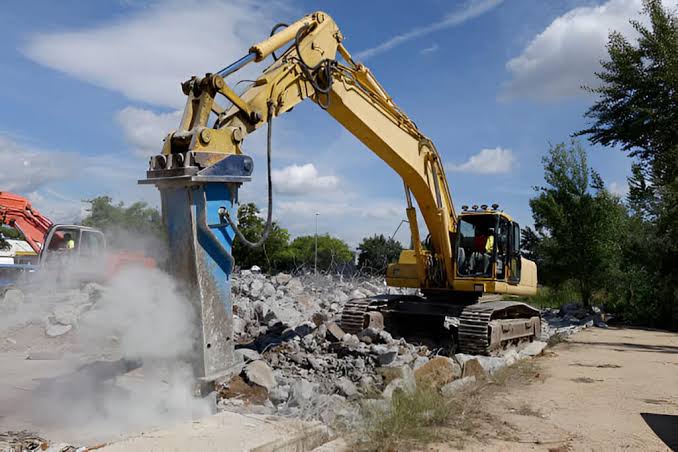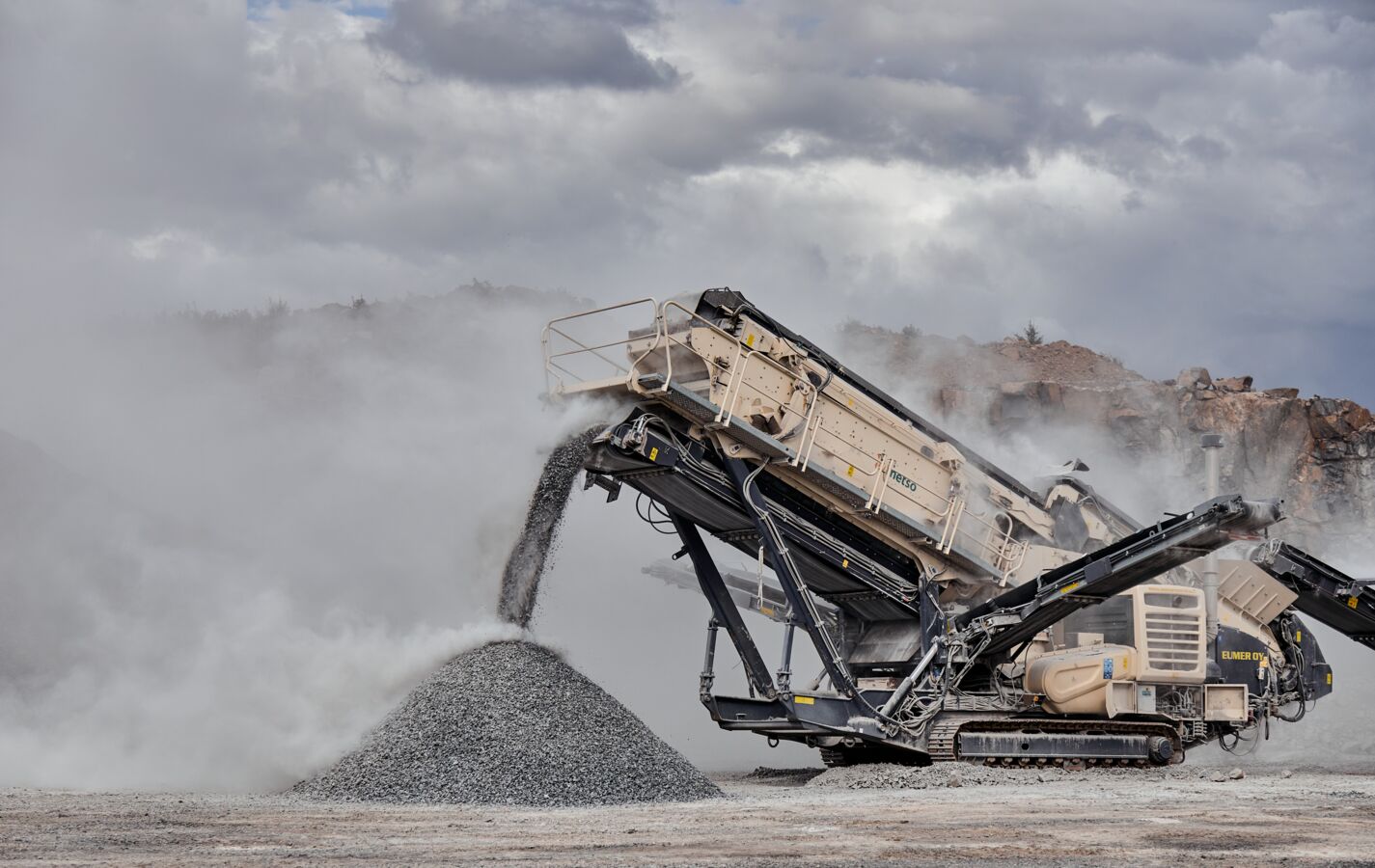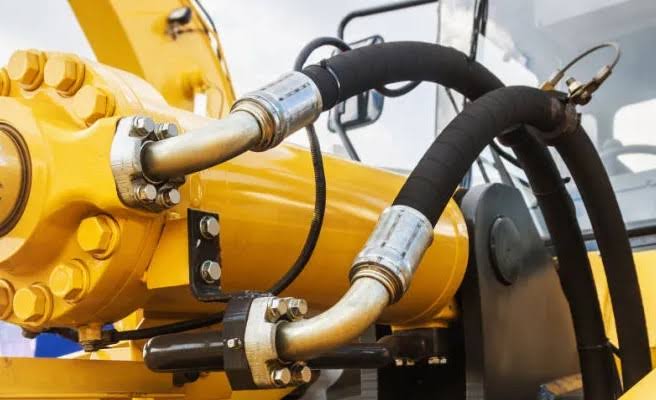



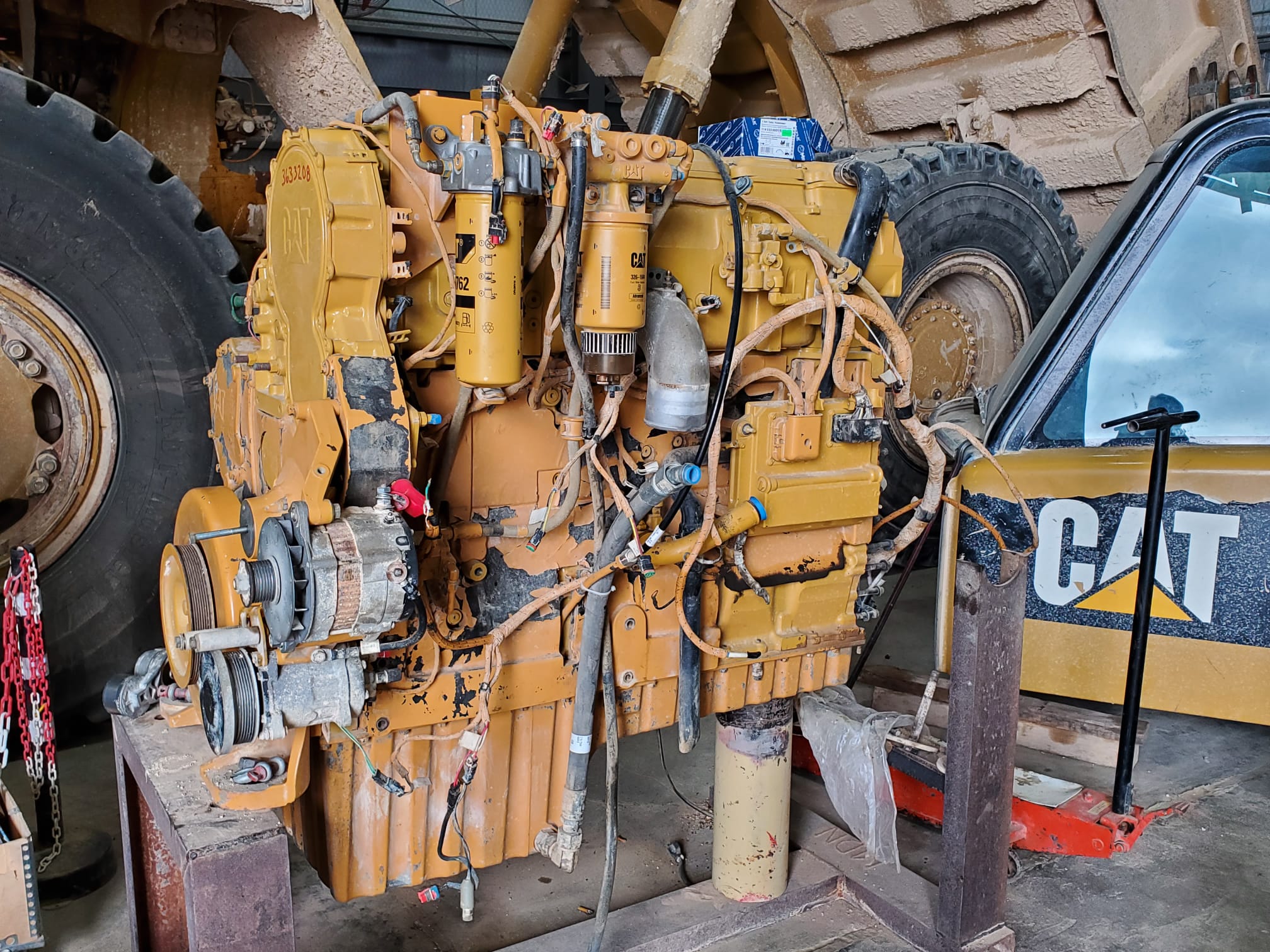
Mining equipment works under heavy loads, abrasive material, vibration, heat, dust, and long hours. When a major component fails, the replacement decision affects uptime, repair cost, and reliability.
Should you buy new, consider used, choose rebuilt mining equipment parts, or use remanufactured mining equipment parts to reduce downtime without adding risk?
Millennium Machinery Parts & Service Corp provides heavy equipment parts, technical services, repairs, diagnostics, component repair and restoration, and logistics support for mining, construction, roadbuilding, and quarrying operations. The goal is to choose the right solution for the equipment, the job, and the risk level.
Why the Parts Decision Matters in Mining Operations
When equipment is down, every hour matters. Production schedules, crews, hauling capacity, material processing, and maintenance planning can all be affected by one failed component.
Pressure can lead buyers to choose the fastest or cheapest option. That may solve the immediate problem, but it can create higher costs if the part fails early, does not fit, or causes another shutdown.
A good parts decision should consider equipment criticality, component condition, lead time, downtime cost, supplier expertise, application demands, and long-term reliability.
In mining, the real cost includes labor, freight, downtime, and lost production.
What Remanufactured Mining Equipment Parts Really Mean
Remanufactured parts are not the same as used parts. A used part is usually removed from a machine and sold in its existing condition. It may work, but its wear level, history, and remaining life can be uncertain.
For a broader overview of the value, benefits, and common applications, review our remanufactured mining equipment parts guide.
Remanufactured mining equipment parts go through a more controlled process. The component is typically disassembled, inspected, cleaned, repaired, fitted with replacement wear items, reassembled, and tested when the component type requires it.
This matters because mining applications require more than cosmetic repair. Components must be checked for fit, wear, tolerances, pressure, and performance.
How remanufactured parts differ from rebuilt mining equipment parts
The terms rebuilt and remanufactured are sometimes used together, but they are not always identical.
Rebuilt mining equipment parts are usually repaired to restore function. Remanufactured parts often involve deeper inspection, replacement of worn elements, and quality verification.
The exact difference depends on the supplier and the component. Always ask what was inspected, what was replaced, and how the part was tested before shipment.
When Remanufactured Mining Equipment Parts Make Sense
Remanufactured parts can be a smart choice when the conditions are right.
When new parts have long lead times
New parts are not always available when equipment is down. Some components may take weeks or months to source, especially for older machines, specialized equipment, or remote operations.
In those cases, a remanufactured option may help reduce downtime and return the machine to service faster.
When the component has strong rebuild value
Some components are good candidates for remanufacturing because the main structure can often be restored properly.
Examples include hydraulic pumps, motors, cylinders, transmissions, final drives, gearboxes, cylinder heads, drill rig components, and select crusher or screening components.
The key is condition. A component only makes sense as a remanufactured option if the core can be restored to a reliable working standard.
When the machine is older but still productive
Many fleets include machines that are no longer new but still perform valuable work. For these machines, remanufactured heavy equipment parts can help extend service life without forcing a full replacement decision.
When cost control matters without sacrificing reliability
Remanufactured parts can help reduce repair costs, but cost should never be the only reason to choose them.
The goal is controlled spending with dependable performance. If the part is properly inspected, restored, and verified, it may offer a strong balance between cost, lead time, and reliability.
When supplier expertise can verify the decision
A remanufactured part is only as strong as the process behind it. The supplier should confirm fitment, review machine details, compare available options, and explain whether remanufactured is appropriate for the application.
Millennium Machinery supports customers with parts sourcing, equipment repairs, diagnostics, component repair and restoration, and logistics guidance for demanding field conditions.
When New Parts May Be the Better Option
Remanufactured parts are useful, but they are not always the right answer.
New parts may be better when the component is safety-critical, the core is damaged beyond reliable restoration, warranty requirements limit alternatives, or downtime risk matters more than upfront savings.
Some parts carry higher risk because failure could affect operator safety, machine control, braking, steering, lifting, or other critical functions. In those cases, a new component may be the safer and more predictable choice.
A remanufactured component also depends on the condition of the core. If the housing, shaft, mounting areas, pressure surfaces, or structural elements are too damaged, restoration may not be reliable.
The right decision is not about always choosing new or always choosing remanufactured. It is about matching the part to the machine, application, urgency, and risk level.
What to Inspect Before Approving Remanufactured Heavy Equipment Parts
Before buying remanufactured heavy equipment parts, ask the right questions.
Component history and failure reason
Understanding why the original component failed is important. If the root cause is still present, the replacement part may fail again.
For example, a hydraulic pump may fail because of contamination, overheating, incorrect fluid, or system pressure issues. Replacing the pump without fixing the root issue can lead to repeat damage.
Wear surfaces, tolerances, and measurements
Critical areas should be inspected carefully. Depending on the component, this may include housings, shafts, bearings, sealing surfaces, mounting points, pressure areas, gear surfaces, cylinder bores, and wear zones.
Measurements matter because a component can look acceptable but still be outside proper tolerance.
Replacement of wear items
A quality restoration process should address worn items that should not be reused, including seals, gaskets, O-rings, bearings, bushings, filters, fasteners, and related hardware.
Testing and quality verification
Ask whether the component was tested before shipment. Depending on the part, testing may include pressure testing, bench testing, function testing, load testing, or dimensional checks.
Compatibility with the machine and application
Before approving the order, confirm the machine make and model, serial number, part number, application, duty cycle, site conditions, installation requirements, and related components needed.
Fitment verification reduces the risk of receiving a part that cannot be installed or does not match the operating conditions.
For help reducing wrong orders before parts ship, read our guide on avoiding costly mining replacement parts ordering mistakes.
Common Mistakes to Avoid When Buying Remanufactured Components
Avoid these mistakes before placing an order:
- Treating remanufactured and used parts as the same
- Buying only based on price
- Ignoring the original cause of failure
- Skipping fitment confirmation
- Choosing a supplier without technical knowledge
Used parts and remanufactured parts are different. The difference is inspection, repair process, replacement of worn elements, and verification.
A cheap component with poor inspection can become expensive quickly. Repeat downtime, labor, shipping, and secondary damage can erase the initial savings.
Serial numbers, part numbers, photos, measurements, and application details should be reviewed before shipment. Availability alone is not enough. A strong supplier should help you decide whether remanufactured is appropriate.
How Millennium Machinery Helps Customers Make the Right Parts Decision
Millennium Machinery helps customers source heavy equipment parts with a practical focus on uptime, reliability, and cost control.
If your operation needs broader sourcing support across OEM, aftermarket, rebuilt, or replacement parts, our mining replacement parts for sale guide can help with procurement planning.
The company supports mining, construction, quarrying, and heavy industrial customers with:
- Heavy equipment spare parts
- New, rebuilt, and used components
- Component repair and restoration
- Equipment repairs and diagnostics
- Machinery maintenance solutions
- OEM and quality replacement parts
- Shipping, logistics, and import/export support
This combination matters because buyers often need more than a part. They need help deciding which option makes the most sense for the machine, the timeline, and the application.
When the right remanufactured component is available, it can be a smart solution. When new parts are safer, Millennium Machinery can help customers understand that decision too.
Before You Choose: Smart Questions About Remanufactured Parts
Q. Are remanufactured mining equipment parts reliable?
Yes, they can be reliable when they are properly inspected, restored, fitted with replacement wear items, and tested when the component type requires it. Supplier quality is the key factor.
Q. Are rebuilt mining equipment parts the same as remanufactured parts?
Not always. Rebuilt parts usually focus on restoring function, while remanufactured parts may involve a more complete restoration and verification process. Always ask what work was performed.
Q. When should I choose new parts instead of remanufactured parts?
New parts may be better for safety-critical systems, warranty-sensitive applications, severely damaged cores, or equipment where downtime risk is too high.
Q. Can remanufactured heavy equipment parts reduce downtime?
Yes. If available faster than new parts, they can help return equipment to service sooner while controlling repair costs.
Q. What information should I provide before ordering?
Provide the machine make, model, serial number, part number, photos, failure symptoms, site location, delivery urgency, and application details.
Choose the Right Component With Confidence
The best parts decision is not always the cheapest option or the fastest option. It is the option that fits the machine, supports the application, controls downtime risk, and protects long-term reliability.
Contact Millennium Machinery today for remanufactured mining equipment parts, rebuilt mining equipment parts, and expert guidance on choosing the right solution for your equipment, application, and downtime risk.