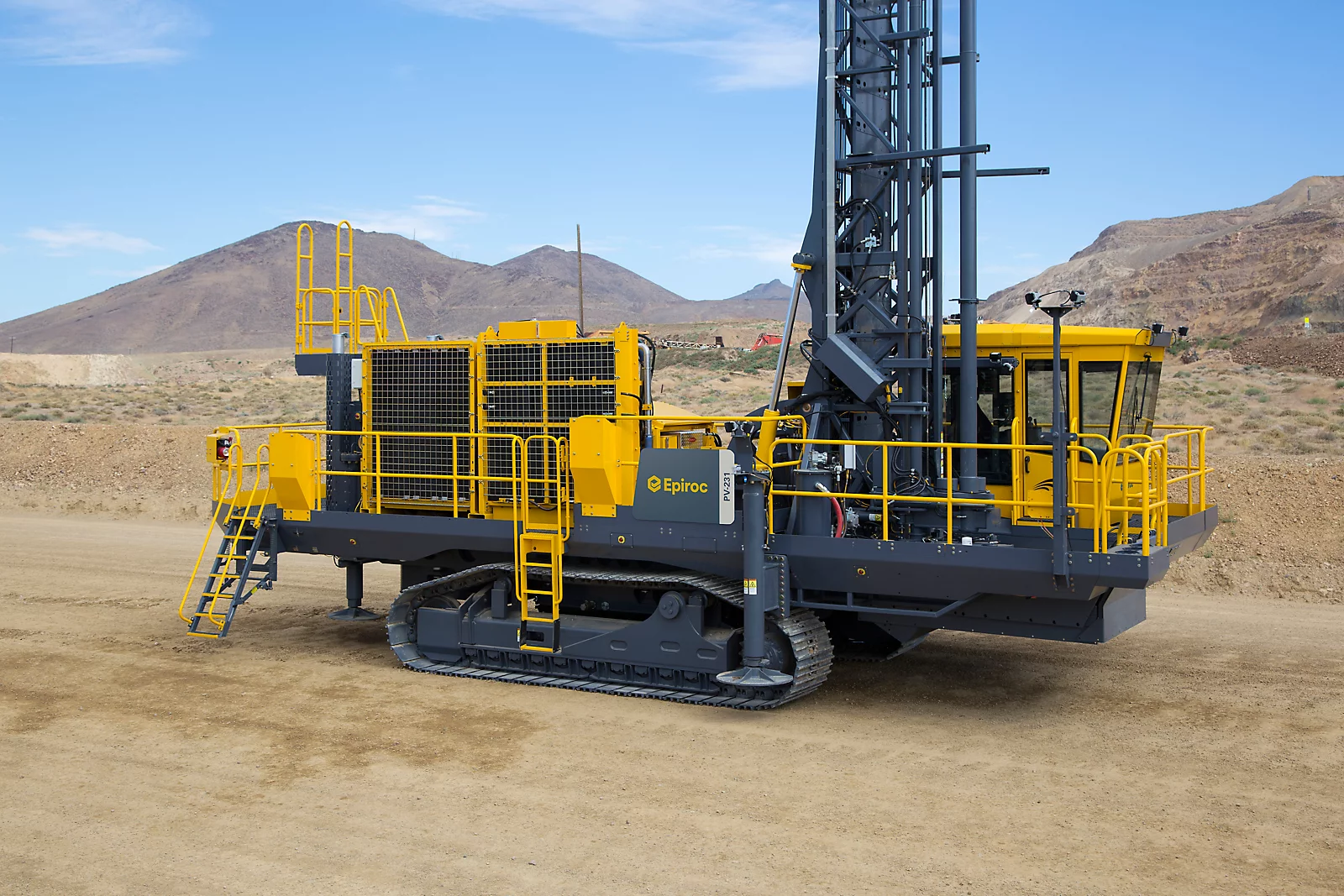



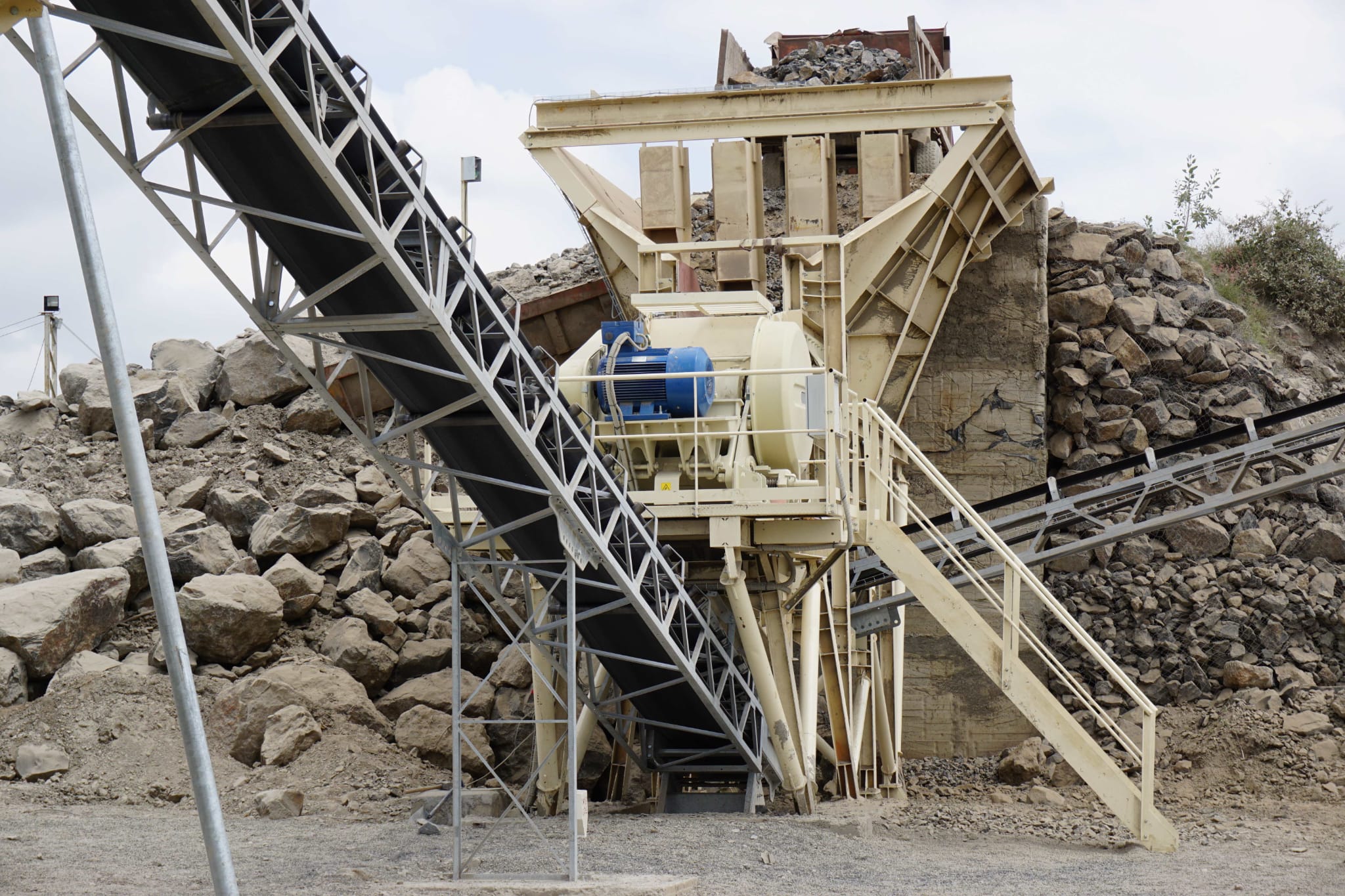
Epiroc and Metso equipment plays a critical role in mining, quarrying, construction, and heavy industrial operations where productivity depends on continuous performance. When these machines experience unexpected failures, the consequences extend far beyond the damaged component.
Unplanned downtime can halt production, disrupt schedules, increase operating costs, and create safety risks across the entire operation. In many high-output environments, even a short equipment stoppage can result in significant financial losses.
Understanding the most common failure parts on Epiroc and Metso equipment allows maintenance teams to anticipate wear, plan spare parts inventory strategically, and prevent minor issues from escalating into major breakdowns.
This guide outlines the ten most frequently failing components across Epiroc and Metso equipment, explains why they fail, and provides practical insights to help reduce repeat failures and protect uptime.
Why Equipment Parts Fail in Mining and Heavy Industrial Environments
Equipment failures rarely occur without warning. Most are the result of predictable operating conditions combined with maintenance, logistics, and operational challenges.
Mining and heavy industrial environments accelerate wear due to:
- abrasive materials and constant impact loads
- continuous duty cycles with limited downtime windows
- exposure to dust, moisture, heat, and vibration
- delayed part replacement due to logistics or supply chain constraints
- misalignment, incorrect installation, or improper part selection
Without proactive monitoring and timely intervention, minor component degradation can quickly lead to major system failures.
The Top 10 Most Common Failure Parts on Epiroc and Metso Equipment
While failure patterns vary by application, the following components consistently represent the most replaced and repaired parts across mining and heavy equipment fleets.
1. Hydraulic Pumps and Motors
Hydraulic systems are the operational core of drills, crushers, and mobile equipment. These components operate under extreme pressure and are highly sensitive to contamination.
Common failure causes include fluid contamination, overheating, internal wear, and inadequate filtration. When hydraulic pumps or motors fail, equipment often becomes immediately inoperable, leading to costly downtime.
2. Hydraulic Hoses and Fittings
Hoses and fittings experience constant vibration, pressure cycling, and environmental exposure.
Abrasion, heat damage, improper routing, and fatigue are frequent causes of failure. Hose failures often result in sudden pressure loss, safety hazards, and secondary damage to surrounding components.
3. Wear Bushings and Pins
Bushings and pins support articulated movement in booms, arms, and structural assemblies.
These components operate under constant load and motion. Without proper lubrication and timely replacement, wear accelerates, leading to misalignment, structural stress, and expensive secondary repairs.
4. Crusher Wear Parts
Crusher liners, mantles, and concaves are exposed to extreme impact and abrasion in crushing applications.
In Metso equipment, wear part condition directly affects throughput, product consistency, and overall system efficiency. Delayed replacement reduces performance and increases stress on critical crusher components.
5. Bearings and Seals
Bearings and seals are essential for maintaining stability in rotating systems.
Failures commonly result from contamination, misalignment, improper lubrication, or excessive load. Once compromised, bearing failures can propagate rapidly and cause extensive damage to shafts and housings.
6. Engine Components
Heavy-duty engines operate under high thermal and mechanical stress.
Common failure components include fuel injectors, turbochargers, cooling system elements, and sensors. Contributing factors include poor fuel quality, overheating, and delayed maintenance.
7. Electrical Sensors and Control Components
Modern equipment relies heavily on electronic monitoring and automation systems.
Sensors, wiring harnesses, and control modules are vulnerable to vibration, moisture, dust, and temperature fluctuations. Electrical failures often create intermittent issues that are difficult to diagnose without specialized tools.
8. Structural Components and Frames
Over time, cyclic loading and vibration can lead to fatigue cracking and distortion in structural components.
These issues often develop gradually and may go unnoticed until visible damage appears. Early detection through inspection and engineering evaluation is critical to prevent safety risks and extended downtime.
9. Drill Consumables and Rock Tools
Drill bits, rods, and consumables experience rapid wear depending on geology and operating parameters.
In Epiroc drilling equipment, improper tool selection or delayed replacement can reduce penetration rates and increase stress on the drilling system.
10. Transmission and Drive Components
Transmissions, gearboxes, and drive systems operate under high torque and heavy loads.
Failures are commonly associated with misalignment, lubrication issues, or operating outside design limits. These components often involve long lead times and high replacement costs, making proactive maintenance essential.
Key Areas to Monitor on Epiroc Equipment
Failure patterns in Epiroc equipment are most frequently concentrated in drilling systems, hydraulic circuits, and electronic controls.
Maintenance teams should prioritize monitoring:
- hydraulic pumps, motors, and hoses
- drill consumables and rotation components
- sensors and control systems
- structural elements exposed to vibration
Proactive inspection of these areas helps maintain drilling accuracy, productivity, and equipment availability.
Critical Components in Metso Crushing Equipment
Metso equipment failures typically occur in high-impact and high-load processing systems.
Key components requiring close monitoring include:
- crusher wear parts such as liners and mantles
- bearings and seals in rotating assemblies
- structural components under impact stress
- drive systems and gearboxes
Correct part selection, proper metallurgy, and precise installation are essential to maintaining crusher performance and preventing unexpected shutdowns.
How to Reduce Repeat Failures and Unplanned Downtime
Reducing equipment failures requires more than replacing worn parts. A proactive maintenance strategy delivers significantly better long-term results.
Best practices include:
- implementing preventive and predictive maintenance programs
- using condition monitoring to detect early wear
- selecting parts that meet OEM or equivalent specifications
- ensuring proper installation and alignment procedures
- planning spare parts inventory based on operational data
Engineering-driven maintenance decisions consistently outperform reactive repair approaches.
The Value of a Reliable Parts and Service Partner
Effectively managing failure parts requires more than access to inventory. Technical expertise, diagnostics, and logistics capability are equally important.
A reliable partner provides:
- access to a wide range of genuine and high-quality spare parts
- technical guidance for part selection and replacement
- diagnostic support to identify root causes of failure
- rebuilding and overhaul services
- global logistics support for remote operations
This integrated approach reduces downtime, lowers total cost of ownership, and improves equipment reliability.
Protecting Uptime by Managing Failure Parts Strategically
Failures in Epiroc and Metso equipment are inevitable, but their impact can be controlled. By understanding common failure patterns, monitoring critical systems, and implementing proactive maintenance strategies, operators can significantly reduce unplanned downtime and extend equipment life.
Quality spare parts, timely diagnostics, and technical expertise are essential to keeping mining and heavy industrial operations running efficiently.
If you need support with replacement parts, repairs, diagnostics, or logistics for your Epiroc or Metso equipment, contact our team to discuss the right solution for your operation.