


In mining, spare parts are not interchangeable commodities — they are uptime decisions. A single incorrect component choice can trigger unplanned downtime, accelerate wear, create secondary equipment damage, and generate production losses that far exceed the initial purchase price.
This guide is written for maintenance managers, reliability engineers, and procurement leaders responsible for asset availability, operational risk, and lifecycle cost control across mining operations.
One of the most frequent — and most misunderstood — decisions these teams face is OEM vs aftermarket mining parts. While discussions often begin with price, real outcomes are determined by risk exposure, compatibility, warranty impact, and total cost of ownership (TCO).
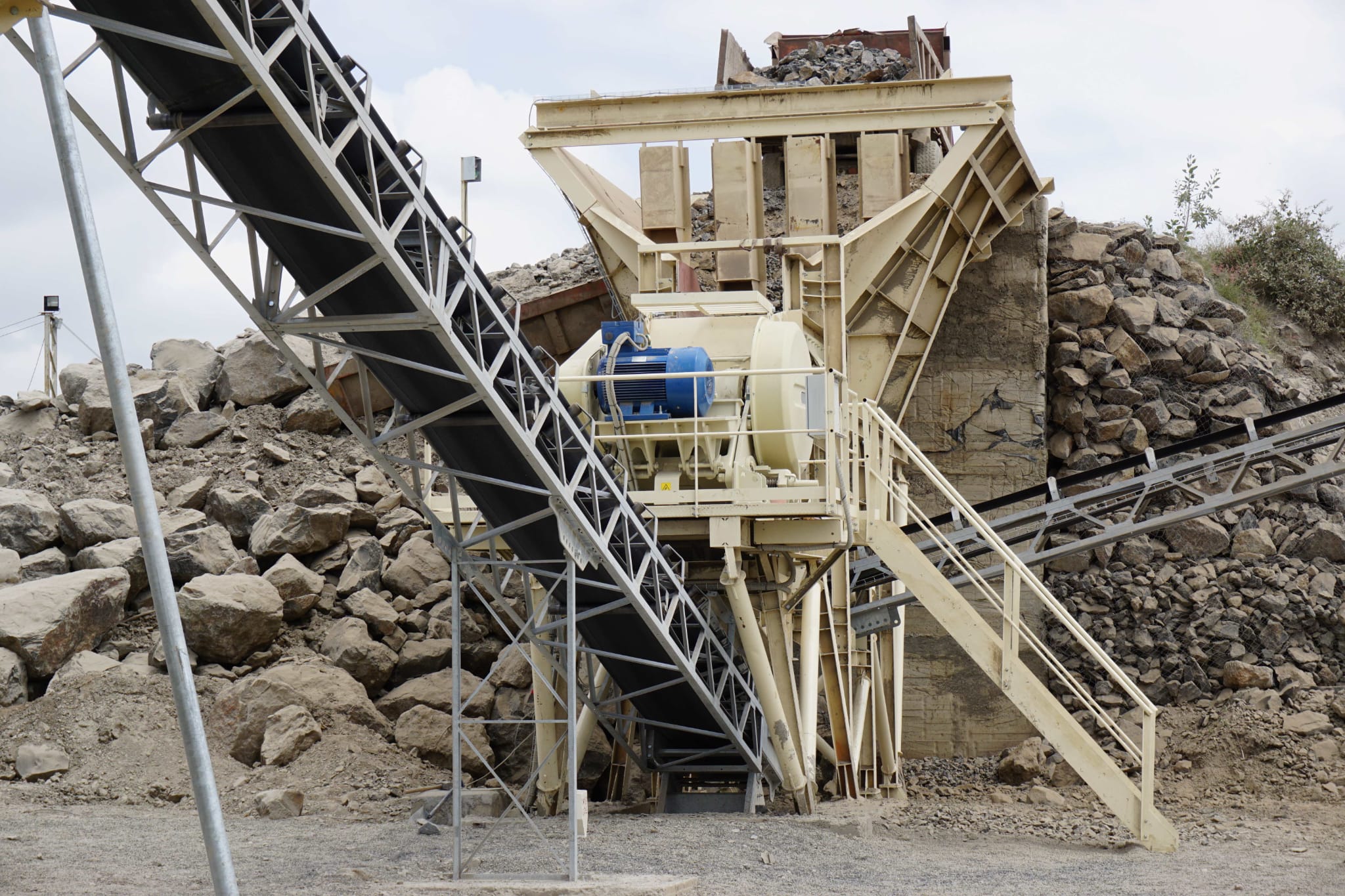
This article breaks down those differences clearly and practically, with a focus on high-impact assets such as crushers, conveyors, pumps, mobile equipment, and heavy-duty engines.
What Are OEM Mining Parts?
OEM (Original Equipment Manufacturer) mining parts are components produced by — or officially approved by — the original equipment manufacturer. These parts are engineered to meet validated tolerances, metallurgy specifications, and performance standards for a specific machine and operating environment.
In operational terms, OEM parts provide predictability:
- Verified fitment and mechanical compatibility
- Validated wear life based on testing and field performance
- Documented installation and maintenance procedures
- Manufacturer-backed warranty and technical support
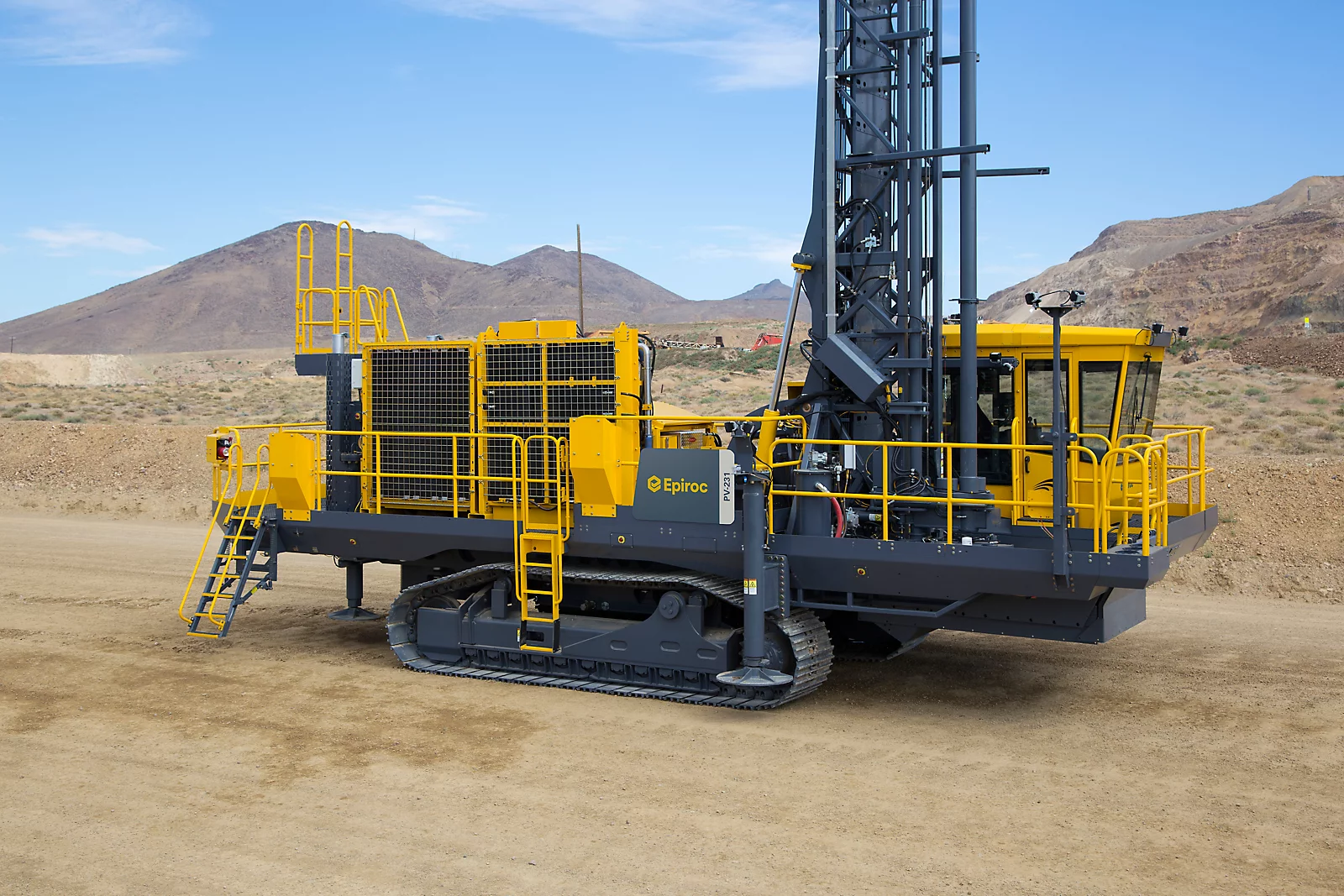
Common OEMs in mining include Metso, Epiroc, Caterpillar, Komatsu, Sandvik, and other major equipment manufacturers.
What Are Aftermarket Mining Parts?
Aftermarket mining parts are manufactured by third-party suppliers and designed to be compatible with OEM equipment. They are often positioned as lower-cost alternatives.
However, aftermarket quality varies significantly depending on the supplier’s:
- Material traceability
- Tolerance control and machining accuracy
- Heat treatment and metallurgy
- Validation testing and field history
- Batch-to-batch consistency
The correct question is not “OEM or aftermarket?” — it is:
“What is the operational risk of this specific part, from this supplier, in this application?”
Quick Decision Table: OEM vs Aftermarket

This comparison highlights why price alone is an incomplete — and often misleading — decision metric in mining operations.
Upfront Cost vs Total Cost of Ownership (TCO)
Aftermarket parts can appear attractive due to lower purchase prices. But mining operations are not optimized for lowest cost per part — they are optimized for availability and throughput.
Total cost of ownership includes:
- Downtime hours and lost production
- Maintenance labor and overtime
- Secondary equipment damage
- Emergency logistics and expediting
- Rework and repeat failures
- Warranty exposure and compliance risk
If a single unplanned stoppage exceeds the savings achieved by choosing a cheaper part, the decision has already failed.
Operational Risk and Reliability
In mining, operational risk is measured in:
- Downtime hours
- Production bottlenecks
- Maintenance disruption
- Asset stress and cascading failures
OEM parts typically deliver:
- Lower failure probability due to validated performance
- Predictable wear behavior
- Reduced risk of collateral damage
Aftermarket parts can deliver value only when supplier quality is proven. When tolerances, metallurgy, or quality control are inconsistent, failure risk increases rapidly.
This risk becomes especially critical in precision engine components, rotating assemblies, and high-load applications where minor deviations can result in lubrication failure, overheating, or catastrophic damage.
Warranty, Documentation, and Technical Support
OEM components typically include:
- Manufacturer-backed warranty coverage
- Full technical documentation
- Traceability and compliance support
- Access to OEM service bulletins and engineering updates
Aftermarket components often provide:
- Limited or conditional warranties
- Reduced documentation
- Technical support that varies widely by supplier
For sites operating under strict compliance, audit, or warranty requirements, OEM components significantly reduce administrative and financial exposure.
When OEM Mining Parts Are the Right Choice
OEM components are generally the correct decision when:
- Failure results in full shutdown or plant bottlenecks
- Downtime costs are high
- Operating conditions are extreme (abrasion, impact, heat)
- Warranty compliance is required
- Predictable wear life is necessary for maintenance planning
When Aftermarket Mining Parts Can Be Viable
Aftermarket parts can make sense when:
- The component is non-critical
- Failure impact is limited and contained
- Supplier quality is proven through field data and traceability
- Risk is actively managed through inspection and monitoring
- The part is a controlled wear item, not a precision component
Used correctly, aftermarket parts are a risk management decision, not a cost shortcut.
Long-Term Impact on Equipment Value and Planning
Spare part strategy affects more than immediate uptime. It directly influences:
- Service intervals
- Failure patterns
- Rebuild frequency
- Asset resale value
- Long-term maintenance forecasting accuracy
Consistent use of OEM components on critical assets often reduces variability, surprise failures, and unplanned capital expenditure.
How Millennium Machinery Supports Smarter Part Decisions
Millennium Machinery supports mining operations across the USA, Caribbean, and LATAM by helping teams evaluate parts based on risk, operating conditions, and lifecycle impact — not just availability.
- Equipment and component solutions:
https://www.mmpas.com/equipment-for-sale - Repairs and maintenance to reduce downtime:
https://www.mmpas.com/equipment-repairs
Rather than defaulting to OEM or aftermarket, Millennium Machinery helps operators make application-specific decisions that protect uptime and long-term asset performance.
If you are experiencing repeat failures, inconsistent wear life, or uncertainty around supplier performance, contact our team. We will help you evaluate OEM vs aftermarket options using a technical, risk-based framework aligned with your operation.
Frequently Asked Questions
Do aftermarket mining parts affect OEM equipment warranties?
In many cases, yes. Certain aftermarket components can void or limit OEM warranty coverage, particularly on critical systems or during warranty periods.
When is aftermarket acceptable in mining operations?
Aftermarket parts are most appropriate for non-critical components where failure impact is limited and supplier quality has been proven through field performance and traceability.
How can maintenance teams evaluate aftermarket suppliers safely?
By reviewing material specifications, tolerance control, validation testing, field history, and consistency across production batches — not just price.