


Heavy equipment operations in mining, aggregate, construction, and industrial sectors cannot afford uncertainty. Downtime costs thousands per hour. Obsolete parts delay production. Measurement errors create repeat failures.
This is where 3D scanning heavy equipment becomes a strategic advantage.
Modern digital solutions allow operators to capture precise data from complex machinery, recreate parts that no longer exist in the market, and optimize equipment performance with engineering-level accuracy. When combined with reverse engineering heavy machinery, these technologies eliminate guesswork and restore control over your assets.
This guide explains how it works, when to use it, and why industrial 3D scanning services are transforming heavy industry.
What Is 3D Scanning Heavy Equipment?
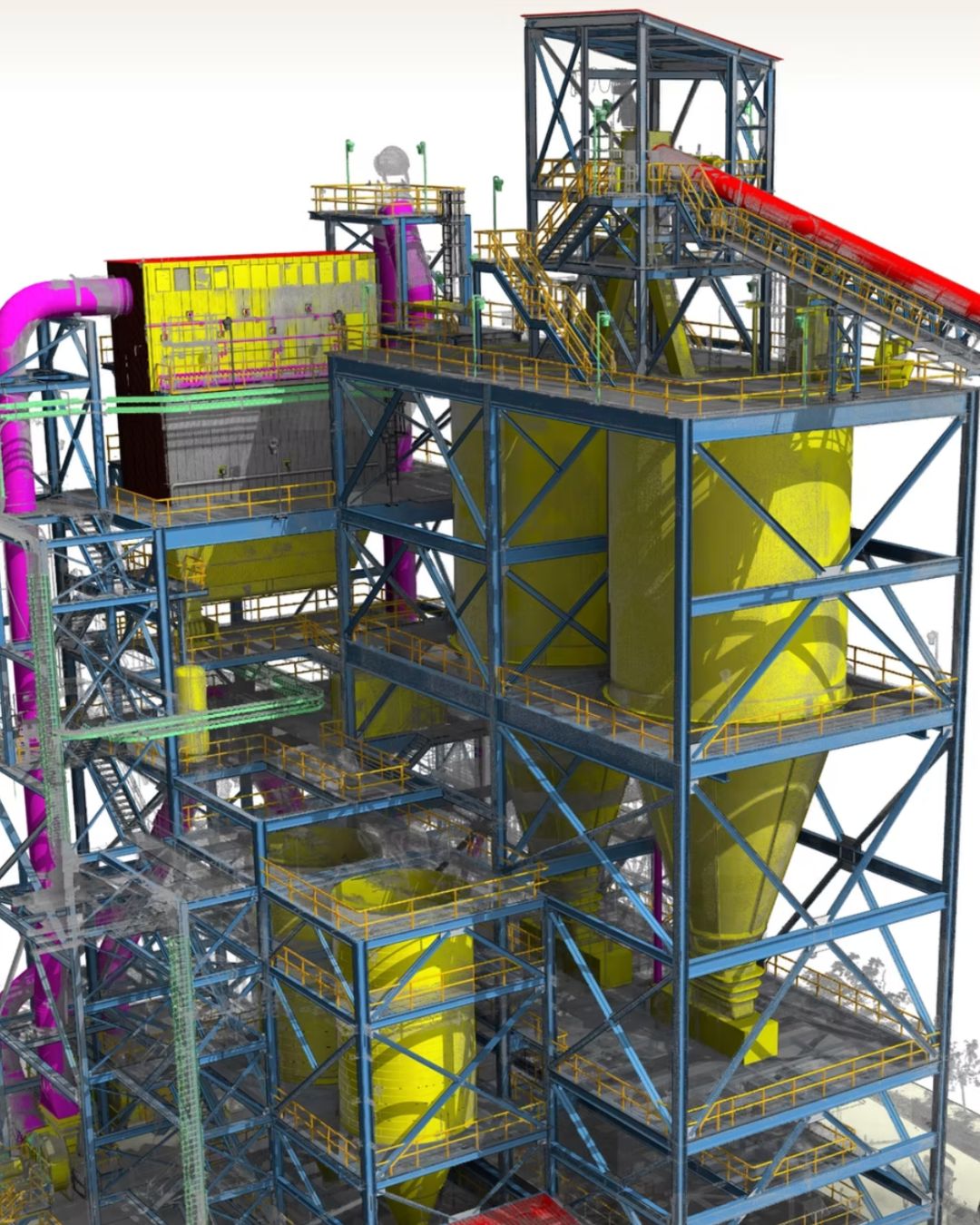
3D scanning heavy equipment is the process of digitally capturing the geometry of machinery, components, or structures using laser or structured light technology. The scan produces a detailed point cloud that is converted into a 3D model for engineering, analysis, or manufacturing.
How Industrial 3D Scanning Works
The process typically includes:
- On site or in shop scanning of the component or machine
- Collection of millions of data points
- Conversion of point cloud data into a usable 3D CAD model
- Engineering analysis and validation
Depending on the application, scanning can achieve extremely tight tolerances suitable for machining, fabrication, and alignment verification.
Why Traditional Measurement Methods Fall Short
Manual measurement tools have limitations when applied to large or complex assemblies. Common issues include:
- Inconsistent accuracy
- Human error
- Incomplete surface capture
- Difficulty measuring internal or irregular geometries
Heavy equipment components such as crusher housings, hydraulic interfaces, engine mounts, and structural frames require full surface data, not isolated dimensions.
Digital capture eliminates blind spots.
The Role of Digital Transformation in Mining and Heavy Industry
Mining and industrial operations are moving toward data driven asset management. Digital models allow companies to:
- Reduce downtime
- Improve rebuild precision
- Standardize replacement parts
- Maintain digital records of equipment condition
3D scanning heavy equipment is the foundation of this transformation.
Reverse Engineering Heavy Machinery Explained
Reverse engineering heavy machinery is the process of recreating a part or assembly when original drawings or CAD files are unavailable.
This is critical for:
- Legacy equipment
- Discontinued OEM parts
- Modified field equipment
- Emergency breakdowns
What Reverse Engineering Involves
A typical workflow includes:
- 3D scan of the existing part
- Conversion into a CAD model
- Engineering review and tolerance validation
- Material selection and manufacturing
- Quality inspection before installation
This scan to CAD approach ensures that the new component matches or improves upon the original design.
When Reverse Engineering Becomes Essential
Reverse engineering is not optional in certain situations:
- OEM no longer supports the model
- International shipping delays threaten production
- Custom modifications require unique interfaces
- Equipment has been altered over years of operation
In these cases, reverse engineering heavy machinery restores operational independence.
Reverse Engineering vs OEM Replacement
Operators often ask whether to wait for OEM supply or recreate locally.
Key comparisons:
Cost
Reverse engineering often reduces total cost when factoring downtime.
Lead Time
Local scanning and manufacturing significantly reduce waiting periods.
Customization
Reverse engineered parts can incorporate performance improvements.
For mining and industrial operations, speed and control often outweigh brand sourcing.
Industrial 3D Scanning Services in Real Applications
Industrial 3D scanning services are not theoretical tools. They solve real operational challenges.
Spare Parts Replication
Common applications include:
- Crusher liners and housings
- Pump casings
- Gearbox components
- Structural brackets
- Hydraulic interfaces
When drawings are missing, scanning provides a reliable starting point.
For a practical workflow on discontinued components, read recreating obsolete parts with 3D scanning when the OEM no longer supplies them.
Equipment Rebuilds and Modifications
During rebuilds, scanning helps:
- Verify alignment before reassembly
- Identify wear patterns
- Validate fit of replacement components
- Ensure structural integrity
This reduces rework and prevents premature failure.
Digital Twins for Asset Management
A digital twin is a complete 3D representation of equipment.
Benefits include:
- Lifecycle tracking
- Predictive maintenance planning
- Engineering simulation
- Better documentation for future rebuilds
For heavy industrial fleets, digital twins increase long term asset value.
The Business Case for 3D Scanning Heavy Equipment
Technology must produce measurable returns.
Here is how digital solutions deliver value.
Reduced Downtime
- Faster part replication
- Elimination of shipping delays
- Immediate design validation
Downtime reduction directly protects revenue.
Improved Accuracy
Precise scanning ensures:
- Correct tolerances
- Proper fit
- Reduced vibration
- Longer component life
Accuracy prevents repeat repairs.
Lower Total Cost of Ownership
By improving rebuild precision and eliminating guesswork, operators reduce:
- Secondary damage
- Emergency freight
- Repeated machining errors
Over time, savings compound.
Support for International Operations
Mining and heavy industrial operations often span multiple regions. Digital files can be shared across facilities, ensuring standardized repairs and consistent performance.
Step by Step Workflow From Scan to Finished Part
A structured workflow ensures consistent results.
Step 1 Data Capture
Technicians perform on site or in shop 3D scanning heavy equipment. Environmental conditions are considered to maintain accuracy.
Step 2 Data Processing
Point cloud data is cleaned and converted into a detailed CAD model.
Step 3 Engineering Review
Engineers verify tolerances, make improvements if necessary, and prepare production drawings.
Step 4 Manufacturing and Quality Control
Parts are machined or fabricated according to validated specifications and inspected before delivery.
This structured approach separates professional industrial 3D scanning services from basic scanning providers.
For downtime-focused applications, see how reverse engineering critical components with custom parts reduces equipment downtime.
Why Millennium Machinery Leads in 3D Scanning Heavy Equipment
Heavy industry requires more than a scanning company. It requires a partner that understands mining equipment, structural loads, tolerances, and operational urgency.
Millennium Machinery integrates:
- Equipment expertise
- Spare parts supply
- Technical field service
- Engineering validation
This full capability ensures that digital solutions are connected to real world results.
Advantages include:
- Deep experience in mining and heavy industrial sectors
- Ability to move from scan to manufacturing
- Rapid turnaround for critical equipment
- Regional and international support
Many scanning providers deliver files. Millennium Machinery delivers solutions.
Industries That Benefit from Reverse Engineering Heavy Machinery
Mining Crushers, conveyors, and processing equipment require continuous operation. Reverse engineering keeps them running.
Aggregate and Quarrying
Wear parts and structural components often require rapid replication.
Construction and Earthmoving
Legacy equipment fleets benefit from custom component reproduction.
Industrial Processing
Pumps, housings, and mechanical assemblies often lack updated documentation.
Across these industries, 3D scanning heavy equipment strengthens reliability.
Frequently Asked Questions
How accurate is 3D scanning heavy equipment?
Industrial grade scanners can capture extremely fine detail suitable for machining and precision alignment when operated correctly.
Can damaged parts be reverse engineered?
Yes. Even worn or cracked parts can be scanned and digitally reconstructed to original or improved specifications.
Is reverse engineering legal?
Reverse engineering for replacement parts is common practice, provided it does not violate protected intellectual property rights.
How long does the process take?
Project timelines vary based on part complexity, but scanning significantly reduces overall lead time compared to sourcing obsolete components.
What deliverables are provided?
Clients typically receive 3D CAD files, technical drawings, and inspection reports, depending on the scope.
The Future of Digital Solutions in Heavy Equipment
The industry is moving toward:
- Integrated digital twins
- Predictive maintenance systems
- Data driven lifecycle management
- AI assisted wear analysis
3D scanning heavy equipment is becoming a standard practice rather than a specialty service.
Companies that adopt digital engineering workflows today gain a long term competitive advantage.
Get Expert Industrial 3D Scanning Services for Your Equipment
If your operation depends on precision, speed, and reliability, digital solutions are no longer optional.
Millennium Machinery provides:
- Advanced 3D scanning heavy equipment
- Reverse engineering heavy machinery
- Complete industrial 3D scanning services
- Engineering validated spare parts solutions
Whether you are facing obsolete components, urgent breakdowns, or planning long term asset optimization, our team delivers measurable results.
Contact Millennium Machinery today to discuss your equipment challenge and move from uncertainty to precision.