


Unplanned drill rig downtime disrupts production, increases operating costs, and creates unnecessary pressure on maintenance teams. When a surface drill stops operating, the impact spreads quickly across blasting schedules, haul cycles, and overall site productivity.
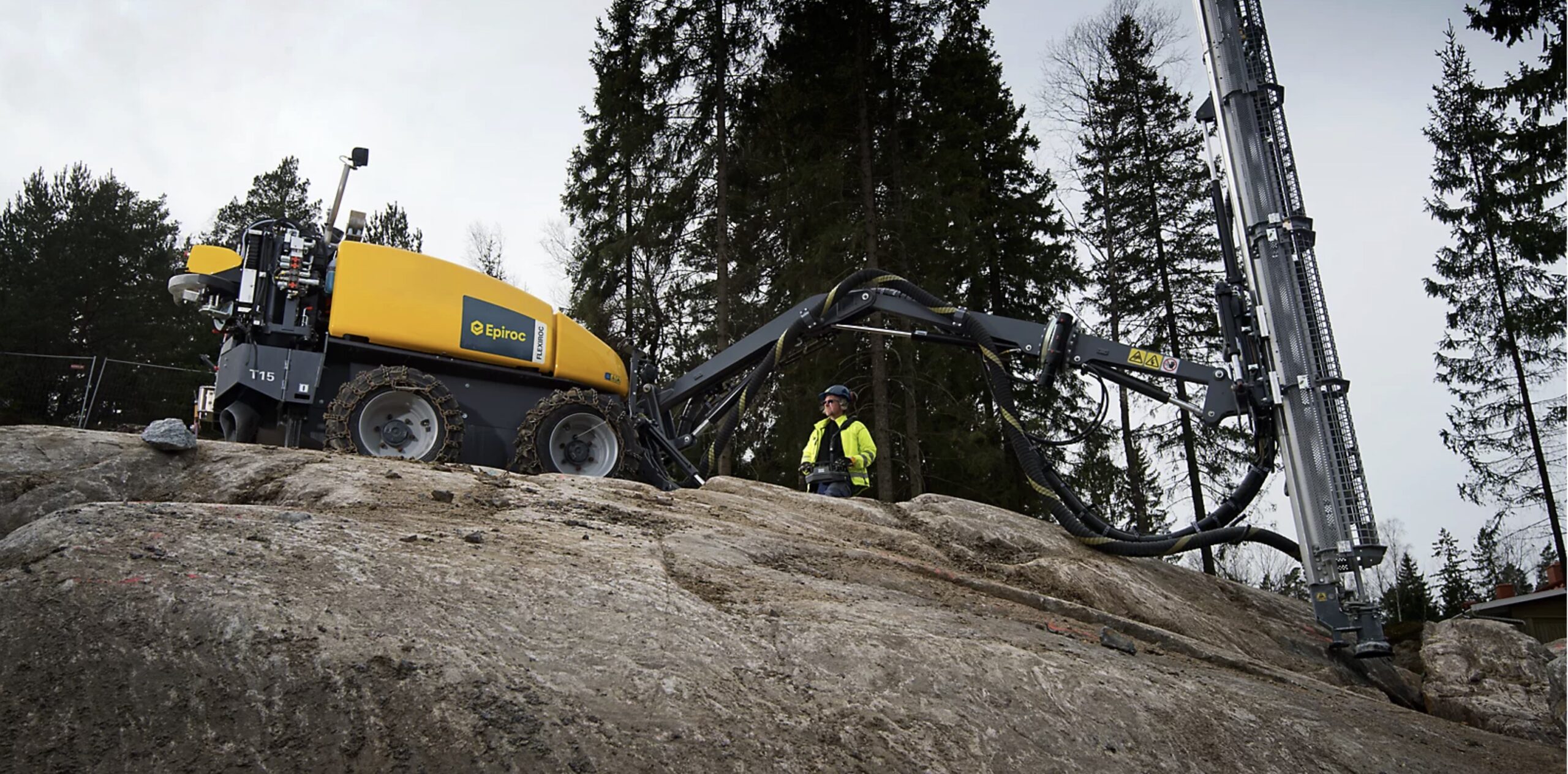
This Epiroc drill rig troubleshooting guide is designed for maintenance managers, technicians, and site supervisors who need clear, practical solutions to diagnose and correct common FlexiROC and SmartROC issues. A structured troubleshooting approach protects uptime, reduces repair costs, and prevents minor faults from turning into major system failures.
Troubleshooting is most effective when paired with a disciplined SmartROC D65 preventive maintenance checklist that reduces repeat faults caused by missed inspections or delayed service intervals.
The drill rigs referenced in this guide are manufactured by Epiroc and are engineered for demanding mining and heavy industrial environments. Proper troubleshooting must follow disciplined diagnostic procedures and manufacturer-aligned standards.
Why Epiroc Drill Rig Troubleshooting Requires a Structured Approach
Effective troubleshooting is not guesswork. It requires a systematic process that isolates the root cause of performance issues.
The Operational Cost of Ignoring Early Warning Signs
Common early indicators include:
- Reduced penetration rates
- Abnormal vibration
- Hydraulic pressure fluctuations
- Increased operating temperature
- Irregular compressor performance
Ignoring these signs often leads to component damage, emergency repair costs, and extended downtime.
How Minor Faults Escalate into Major Downtime
Small hydraulic leaks can cause pressure loss and overheating. Sensor misalignment can trigger false alarms or emergency mode. Inconsistent air pressure can reduce drilling efficiency and strain the compressor system.
Structured Epiroc drill rig troubleshooting prevents escalation by identifying faults early.
The Role of Technical Expertise and Genuine Parts in Accurate Diagnosis
Accurate troubleshooting requires:
- Knowledge of hydraulic and electrical systems
- Access to diagnostic tools
- Proper service documentation
- Quality replacement components
Using incorrect parts or bypassing diagnostics often results in recurring failures.
Most Common Hydraulic Problems in Epiroc Drill Rigs
Hydraulic systems power feed, rotation, and positioning functions. Hydraulic faults are among the most frequent causes of downtime.
Hydraulic Pressure Loss and Inconsistent Drilling Performance
Symptoms include:
- Slow feed movement
- Reduced rotation torque
- Irregular penetration rates
Possible causes:
- Internal leaks
- Worn seals
- Contaminated hydraulic oil
- Clogged filters
Initial troubleshooting steps:
- Inspect hoses and fittings
- Check hydraulic fluid level and condition
- Replace filters if necessary
- Verify pressure readings against OEM specifications
Hydraulic Overheating Causes and Solutions
Overheating may result from:
- Restricted oil flow
- Blocked cooling system
- Low fluid levels
- Excessive internal friction
Corrective actions include:
- Cleaning cooling components
- Inspecting pumps and motors
- Ensuring proper oil viscosity
Hose Leaks, Contamination, and System Imbalance
Even minor leaks can destabilize the system. Look for:
- Oil residue around fittings
- Abrasion marks on hoses
- Air bubbles in hydraulic lines
Contamination often leads to premature pump wear and inconsistent system response.
Compressor and Air System Failures That Reduce Penetration Rates
Air delivery directly affects drilling efficiency.
Low Air Pressure and Flushing Problems
Low air pressure reduces rock flushing efficiency and slows drilling speed.
Common causes:
- Compressor wear
- Air leaks
- Restricted airflow
- Blocked filters
Troubleshooting steps:
- Inspect air lines and fittings
- Check compressor oil level
- Verify operating pressure readings
Compressor Overheating and Cooling System Issues
High compressor temperatures may indicate:
- Insufficient cooling
- Dirty radiators
- Inadequate lubrication
Immediate inspection prevents long-term damage.
Diagnosing Reduced Drilling Efficiency
When penetration drops but no alarms are triggered, inspect:
- Air pressure output
- Rock drill condition
- Rotation performance
- Feed alignment
A balanced system ensures optimal drilling performance.
SmartROC Drill Rig Troubleshooting for Electronic and Sensor Faults
SmartROC drill rig troubleshooting often involves advanced electronic systems and automation features.
SmartROC Emergency Mode Activation Causes
Emergency mode may be triggered by:
- Sensor misalignment
- Hydraulic pressure irregularities
- Electrical communication faults
Diagnosis requires reviewing system alerts and verifying sensor calibration.
Sensor Calibration Errors and Diagnostic Alerts
Incorrect calibration can produce:
- Inaccurate depth readings
- Automatic shutdowns
- Performance limitations
Check sensor positioning and follow recalibration procedures outlined in service documentation.
Electrical Fault Codes and Control System Warnings
Electrical troubleshooting should include:
- Inspecting wiring harnesses
- Verifying connector integrity
- Checking battery voltage
- Reviewing onboard diagnostics
Electrical faults can mimic hydraulic or mechanical problems, so systematic isolation is essential.
FlexiROC Drill Rig Troubleshooting for Mechanical and Performance Issues
FlexiROC drill rig troubleshooting often focuses on mechanical systems and wear components.
Feed System Alignment and Wear Problems
Symptoms include:
- Uneven drilling
- Increased vibration
- Premature wear on feed rails
Inspect feed chains, bushings, and structural alignment.
Rotation Unit and Rock Drill Performance Issues
Performance reduction may stem from:
- Worn rotation motors
- Internal wear in the rock drill
- Improper lubrication
Inspect torque output and monitor vibration patterns.
Start-Up Failures and Power System Checks
If the drill fails to start:
- Inspect battery condition
- Check electrical connections
- Verify starter motor function
Start-up issues should be resolved promptly to prevent secondary failures.
Vibration and Structural Stress
Excessive vibration often indicates:
- Imbalanced components
- Worn mounts
- Misaligned feed systems
Early detection prevents structural fatigue.
Step-by-Step Drill Rig Fault Diagnosis Process
A disciplined process improves troubleshooting accuracy.
Initial Visual Inspection Checklist
Begin with:
- Walk-around inspection
- Fluid level verification
- Leak detection
- Inspection of electrical connections
Isolate Hydraulic vs Electrical Faults
Determine whether the issue originates from:
- Pressure inconsistencies
- Sensor alerts
- Mechanical resistance
- Air delivery issues
Isolating the system reduces diagnostic time.
Use Diagnostic Data to Confirm Root Cause
Modern drill rigs provide valuable data through onboard systems. Review:
- Pressure readings
- Temperature trends
- Fault history logs
Data-driven troubleshooting reduces unnecessary part replacement.
Document Fault Patterns
Tracking recurring issues helps:
- Predict future failures
- Adjust maintenance schedules
- Improve fleet reliability
Documentation transforms troubleshooting into long-term performance improvement.
When Troubleshooting Is Not Enough
Some issues require professional intervention.
Recurring Faults After Repair
If a problem returns after repair, deeper system analysis may be required.
System-Wide Performance Degradation
Gradual decline in performance often signals broader maintenance gaps.
Warranty and Compliance Considerations
Improper repair methods can affect warranty coverage and system integrity.
Working with experienced service providers ensures accurate resolution.
How Millennium Machinery Supports Drill Rig Reliability
Millennium Machinery provides specialized support for mining and heavy industrial operations.
Services include:
- Genuine spare parts for SmartROC and FlexiROC models
- Field technical diagnostics
- Hydraulic and compressor system evaluation
- Preventive and predictive maintenance programs
- Regional support across Florida and Latin America
Expert guidance ensures repairs are performed correctly and efficiently.
Frequently Asked Questions About Epiroc Drill Rig Troubleshooting
Q. What are the most common Epiroc drill rig problems?
Hydraulic pressure loss, compressor inefficiency, sensor faults, electrical wiring issues, and feed system wear are among the most frequent causes of downtime.
Q. How can I tell if a problem is hydraulic or electrical?
Hydraulic issues often affect movement, pressure, and temperature. Electrical problems usually trigger fault codes or control panel warnings. Systematic isolation is essential.
Q. Why does my SmartROC enter emergency mode?
Emergency mode is typically triggered by sensor irregularities, pressure inconsistencies, or communication faults within the control system.
Q. Can preventive maintenance reduce troubleshooting frequency?
Yes. Structured preventive maintenance significantly reduces recurring troubleshooting issues and improves overall reliability.
Q. When should I seek professional drill rig diagnostics?
If faults persist after basic troubleshooting or if multiple systems are affected, professional diagnostics are recommended.
Prevent Downtime with Structured Troubleshooting and Expert Support
Long-term reliability improves when troubleshooting is integrated with a full Epiroc drill rig maintenance uptime strategy that combines preventive maintenance, predictive diagnostics, and parts readiness.
Effective Epiroc drill rig troubleshooting protects productivity, reduces repair costs, and strengthens long-term equipment reliability. Identifying faults early and addressing root causes prevents operational disruption.
Millennium Machinery delivers heavy equipment expertise, genuine spare parts, and specialized technical services tailored to the mining and heavy industrial sectors.
If your FlexiROC or SmartROC drill rig is experiencing recurring performance issues, schedule a technical evaluation with Millennium Machinery today. Our team provides structured diagnostics and responsive support to keep your drilling operations running efficiently and reliably.