


In mining and heavy industrial operations, one failed component can stop an entire production line. Crushers shut down. Conveyors halt. Pumps fail under load. Every hour of downtime translates into lost revenue, labor inefficiencies, and operational pressure.
When OEM parts are unavailable or lead times are excessive, reverse engineering critical components becomes a practical and strategic solution.
By combining engineering expertise, digital scanning, and manufacturing capability, companies can reduce equipment downtime with reverse engineering and restore performance faster than waiting for traditional supply chains.
This article explains how heavy equipment custom parts reverse engineering works and why it is a powerful tool for mining and industrial operators.
Why Critical Component Failure Causes Major Operational Downtime
Heavy equipment operates under extreme stress. Structural components, rotating assemblies, hydraulic systems, and high load mechanical parts are constantly exposed to vibration, impact, abrasion, and heat.
When a critical component fails, the consequences extend beyond the part itself.
The Hidden Cost of Equipment Downtime
Downtime impacts operations in multiple ways:
- Lost production output
- Delayed shipments and contractual penalties
- Idle labor and equipment
- Increased pressure on maintenance teams
- Emergency sourcing and shipping expenses
In mining environments, downtime costs can escalate quickly. A single structural bracket or custom housing can halt operations if no replacement is available.
Why OEM Lead Times Create Risk
OEMs often face:
- Limited stock for older models
- Discontinued components
- Long international shipping timelines
- Restricted customization options
Waiting weeks for a part that may not be available creates operational instability.
To reduce equipment downtime with reverse engineering, operators must take control of the replacement process.
What Reverse Engineering Critical Components Really Means
Reverse engineering critical components is a structured engineering process that recreates a failed or unavailable part using digital reconstruction and technical validation.
It is not guesswork. It is controlled, documented, and engineered.
From Failed Component to Engineered Solution
The process typically includes:
- Inspecting the damaged or worn component
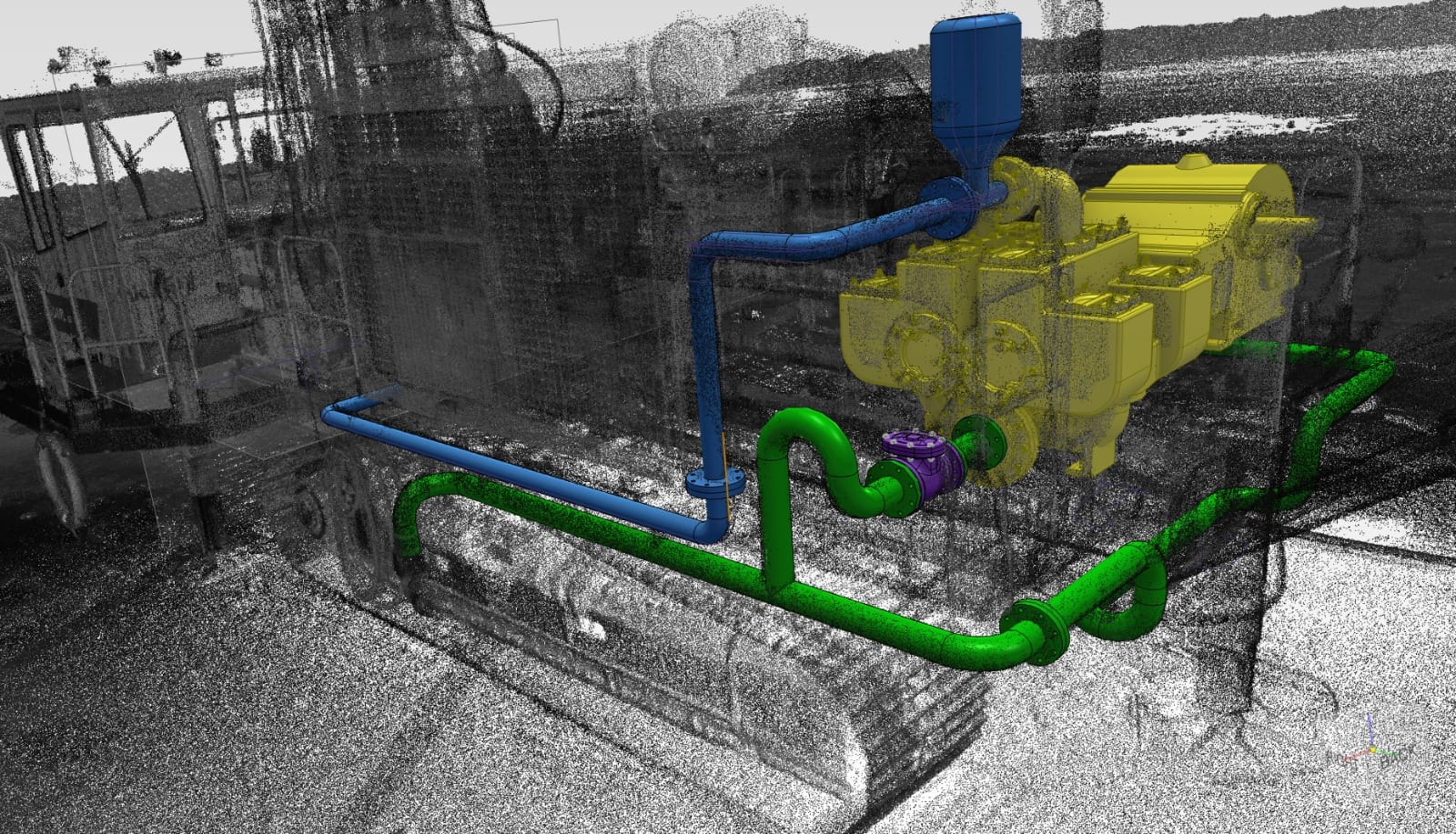
- Capturing its geometry using digital scanning
- Rebuilding a precise CAD model
- Verifying tolerances and material requirements
- Manufacturing a validated replacement
This ensures that the new component meets operational demands.
Reverse Engineering vs Emergency Fabrication
Improvised fabrication attempts often rely on partial measurements or assumptions. Reverse engineering critical components uses full geometry capture and engineering analysis to ensure:
- Accurate fit
- Proper load distribution
- Structural integrity
- Long term durability
The difference is reliability.
When Reverse Engineering Is the Smartest Decision
Reverse engineering is particularly valuable when:
- OEM support is discontinued
- The component is customized
- Lead times threaten production schedules
- Performance upgrades are required
In these scenarios, heavy equipment custom parts reverse engineering provides both speed and precision.
This is especially valuable when teams need to recreate obsolete parts with 3D scanning after OEM support ends.
The Role of Heavy Equipment Custom Parts Reverse Engineering
Not all parts are equally critical. Some components directly influence structural stability, alignment, and mechanical performance.
Identifying High Risk Critical Components
Examples include:
- Crusher housings and support frames
- Pump casings and impellers
- Conveyor structural mounts
- Hydraulic adaptors and couplings
- Engine mounting brackets
Failure of these components can compromise entire systems.
How Custom Parts Improve Reliability
When you reduce equipment downtime with reverse engineering, you are not limited to replicating the original design. Engineers can improve it.
Enhancements may include:
- Reinforced stress zones
- Improved material selection
- Better wear resistance
- Optimized alignment features
This turns a replacement into an upgrade.
Engineering Workflow for Custom Components
Heavy equipment custom parts reverse engineering follows a clear workflow:
- Digital scanning of the existing part
- CAD reconstruction and tolerance verification
- Material selection based on operational environment
- Manufacturing through machining, casting, or fabrication
- Quality inspection and dimensional validation
This structured approach ensures performance under real operating conditions.
For a deeper look at digital capture processes, refer to our guide on 3D scanning heavy equipment.
For the full framework, review our 3D scanning heavy equipment and reverse engineering 101 guide.
Step by Step Process to Reduce Equipment Downtime with Reverse Engineering
Speed and structure are essential when dealing with critical failures.
Step 1 Rapid Failure Assessment
Engineers evaluate:
- Failure cause
- Wear patterns
- Structural stress points
- Installation constraints
Understanding the failure ensures improvements can be made.
Step 2 Digital Scanning and Modeling
The failed component is scanned to capture complete geometry. A digital model is created and adjusted for accuracy and wear compensation.
Step 3 Engineering Review and Optimization
Engineers analyze:
- Load capacity
- Environmental exposure
- Thermal effects
- Alignment requirements
Necessary design improvements are implemented at this stage.
Step 4 Manufacturing and Inspection
The component is produced according to validated specifications. Inspection confirms dimensional accuracy and surface quality.
Step 5 Installation and Validation
Once installed, alignment and performance are monitored to confirm correct integration.
This systematic process allows operators to reduce equipment downtime with reverse engineering in a controlled and repeatable manner.
Real World Applications in Mining and Heavy Industry
Reverse engineering critical components is used across heavy industry.
Crushers and Processing Equipment
- Structural supports
- Mounting frames
- Reinforcement plates
Conveyor Systems
- Load bearing brackets
- Custom support structures
- Connection interfaces
Pump and Hydraulic Systems
- Custom casings
- Adaptors
- Sealing surfaces
Mechanical and Engine Assemblies
- Mounting brackets
- Structural reinforcements
- Coupling components
Heavy equipment custom parts reverse engineering ensures these components meet operational requirements without waiting for unavailable OEM supply.
Business Benefits of Reverse Engineering Critical Components
The advantages extend beyond immediate replacement.
Shorter Lead Times
Digital workflows and local manufacturing reduce dependency on global supply chains.
Lower Downtime Costs
Faster replacement directly limits production loss.
Reduced Supply Chain Risk
Operations gain independence from discontinued or backordered components.
Extended Equipment Lifecycle
Custom parts and structural improvements increase long term reliability.
When companies reduce equipment downtime with reverse engineering, they strengthen operational resilience.
Why Millennium Machinery Is the Trusted Partner
Reverse engineering critical components requires more than technical tools. It requires understanding heavy industrial systems.
Millennium Machinery integrates:
- Engineering expertise
- Digital scanning capability
- Manufacturing coordination
- Technical service experience
This integrated approach ensures heavy equipment custom parts reverse engineering delivers production ready results.
Key strengths include:
- Experience in mining and heavy industrial sectors
- Rapid response for urgent component failures
- Full support from digital capture to final installation
- Regional and international service capability
Instead of waiting for uncertain OEM timelines, operators can implement controlled engineering solutions.
Frequently Asked Questions
How fast can reverse engineering critical components be completed?
Project timelines depend on complexity, but digital workflows significantly reduce replacement time compared to OEM sourcing.
Is reverse engineering reliable for high load mining applications?
Yes. When properly engineered and validated, custom components meet structural and operational requirements.
Can design improvements be made during reverse engineering?
Yes. Engineers can reinforce stress points, upgrade materials, and improve geometry for enhanced durability.
Does reverse engineering eliminate OEM dependency?
It reduces reliance on OEM supply chains, especially for discontinued or long lead time components.
Is heavy equipment custom parts reverse engineering cost effective?
When downtime and shipping delays are considered, it often provides a lower total cost solution.
Take Control of Downtime with Engineered Custom Solutions
Critical component failure does not have to stop production.
By choosing reverse engineering critical components, operators gain:
- Faster recovery from breakdowns
- Greater control over replacement timelines
- Improved component durability
- Reduced exposure to OEM delays
Millennium Machinery provides complete heavy equipment custom parts reverse engineering solutions designed for mining and heavy industrial operations.
If a critical component is threatening your production schedule, contact Millennium Machinery today to evaluate your part and implement a precise, engineered replacement solution.