


Most mining operations only evaluate their parts supplier after something goes wrong. By then, the cost of that decision is already showing up as lost production hours. Choosing the right mining replacement parts suppliers before a breakdown happens is one of the most practical steps an operations or maintenance team can take to protect uptime.
This guide covers what to look for, what to ask, and what separates a capable supplier from one that looks reliable until the pressure is on.
Why Supplier Evaluation Should Happen Before You Need Parts Urgently
The Problem With Reactive Supplier Selection
When a machine goes down, there is no time to research suppliers, request references, or compare documentation standards. Decisions get made fast, often based on whoever responds first. That urgency leads to wrong parts, poor communication, and extended downtime.
Evaluating suppliers during normal operations gives maintenance and procurement teams the time to ask the right questions and make decisions based on capability, not desperation.
What a Breakdown Reveals About a Supplier
A breakdown is a stress test for every supplier relationship. It exposes response time, technical depth, logistics readiness, and communication quality all at once. Operations that have not pre-qualified their suppliers discover these gaps at the worst possible moment.
The goal is to know your supplier’s real capabilities before that moment arrives.
The Core Criteria for Evaluating Mining Replacement Parts Suppliers
Technical Knowledge of Mining Equipment Parts
A capable supplier understands the equipment, not just the catalog. They can confirm part compatibility based on serial number and configuration, identify whether a component matches the application, and flag potential issues before the order is placed.
This matters because mining equipment parts are often application-specific. Small differences in tolerances, metallurgy, or fitment can affect performance, wear life, and equipment reliability. A supplier without that technical depth cannot catch those differences. For a closer look at why technical accuracy in parts sourcing matters, read our guide on engineering machinery parts and technical accuracy.
Parts Availability and Inventory Depth
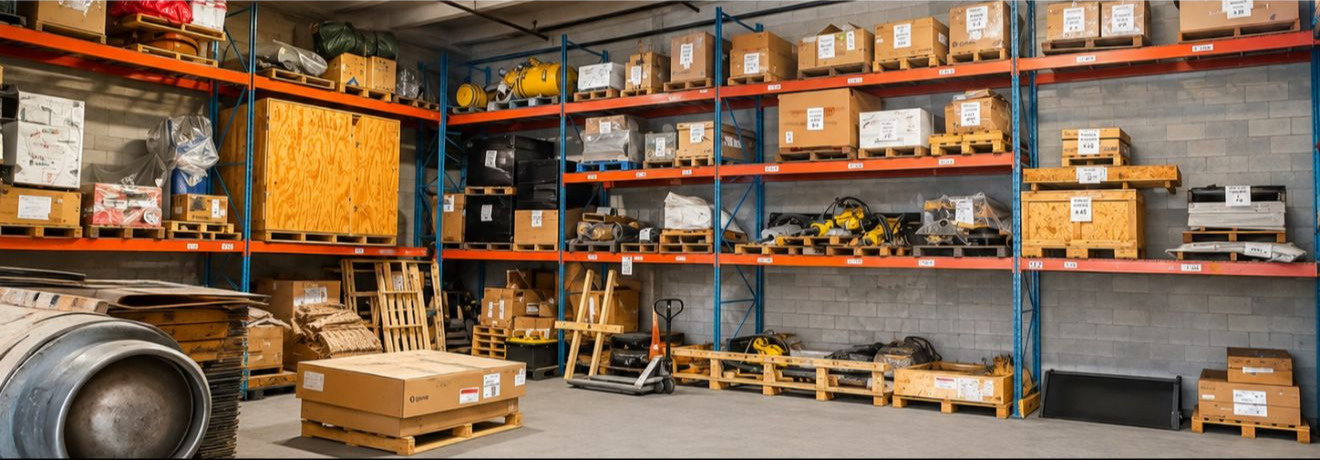
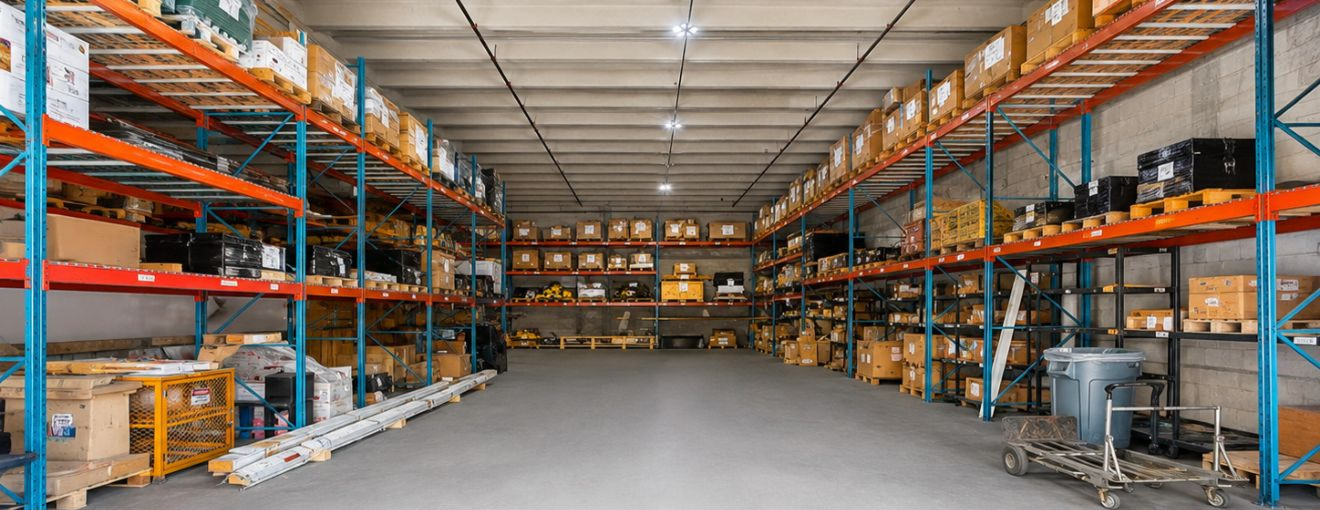
Ask directly about stock levels for the equipment you operate. A supplier with shallow inventory may handle routine orders but will struggle with urgent or multi-component requests.
Key questions to ask:
- Do they stock parts for your specific equipment brands and models?
- Can they source components outside their standard inventory?
- How do they handle requests for hard-to-find or discontinued parts?
Quality Control and Parts Traceability
Not all replacement parts are manufactured to the same standard. A reliable supplier should provide documentation confirming where a part came from, how it was manufactured, and whether it meets the required specifications.
Look for:
- Material certifications and traceability records
- Inspection reports or quality control documentation
- Clarity on whether parts are OEM, remanufactured, or aftermarket
Without this documentation, there is no way to verify that a part will perform as expected under demanding conditions.
Lead Times and Logistics Capability
A quoted lead time is only as reliable as the logistics network behind it. For operations across the U.S., Caribbean, and Latin America, logistics capability includes export documentation, customs coordination, and efficient routing to remote or international locations.
Ask for specific examples of how they have handled urgent shipments. A supplier that can describe a clear process has done it before.
Questions to Ask a Machine Parts Supplier Before You Commit
How Do They Handle Urgent Requests?
Ask what their process is when a critical machine is down and a part is needed immediately. A capable supplier should have a defined response process, not a general assurance that they will do their best.
Specifically ask:
- What is their average response time for urgent requests?
- Do they offer support outside standard business hours?
- How do they prioritize orders when multiple urgent requests come in simultaneously?
Can They Support Your Specific Equipment?
Generic parts experience is not the same as application-specific knowledge. A supplier should be able to confirm familiarity with the brands, models, and operating conditions relevant to your fleet.
Ask whether they have supported similar operations and whether they can provide references from customers running comparable equipment.
What Documentation and Warranty Do They Provide?
Every part shipped should come with clear documentation covering the specification, origin, inspection status, and warranty terms. A supplier that cannot provide this consistently should not be trusted with production-critical components.
Red Flags That Signal a Supplier Is Not Ready for Production-Critical Work
Slow or Vague Communication
If a supplier takes days to respond to a routine inquiry or gives unclear answers about availability and lead times, that behavior will not improve under pressure. How a supplier communicates during normal operations is a reliable indicator of how they will perform during a breakdown.
No Traceability or Quality Documentation
A supplier that cannot provide material certifications, inspection records, or part origin documentation introduces risk into every order. In demanding mining applications, unverified parts can lead to premature failure, secondary equipment damage, and safety issues.
Limited Experience With Your Equipment Type
A supplier with broad but shallow experience will struggle with the specific requirements of your fleet. If they cannot demonstrate familiarity with the brands you operate, the failure modes common to those machines, or the conditions involved, they are not positioned to support you when it counts.
Building a Long-Term Relationship With the Right Supplier
Why Consistency Matters More Than the Lowest Quote
A supplier that consistently delivers the correct part on time, with proper documentation, is worth more than one that offers the lowest price but introduces uncertainty into every order. The cost of a wrong part or delayed shipment will always exceed any savings on the purchase price.
Consistency in parts quality, communication, and lead times is what allows maintenance teams to plan effectively and reduce emergency procurement.
How a Strong Supplier Supports Maintenance Planning
The right supplier does more than fulfill orders. They help operations teams identify components with long lead times, flag parts approaching end of availability, and support critical spares strategies before failures occur. That kind of proactive support reduces emergency orders and gives maintenance teams better control over repair timelines.
Understanding why a supplier’s equipment knowledge is as important as their inventory is covered in detail in our post on why your mining replacement parts supplier needs to understand your equipment..
Regional and International Logistics Support
For operations spanning multiple locations or countries, a supplier with established regional logistics experience reduces the risk of customs delays, incorrect documentation, and extended lead times. A partner familiar with shipping requirements across the Caribbean and Latin America is a practical asset for operations in those markets.
How Millennium Machinery Supports Mining Operations
Millennium Machinery provides heavy equipment, spare parts, and technical services for mining and heavy industrial operations across the U.S., Caribbean, and Latin America.
The expert team supports operations with:
- Technical confirmation of mining equipment parts before orders are placed
- Sourcing across OEM, remanufactured, and quality-vetted aftermarket components
- Logistics coordination for regional and international shipments
- Proactive support that connects parts supply with equipment knowledge
The focus is on being a reliable partner before a breakdown happens, not just a parts source when one does.
Quick Answers
Q: When should I evaluate mining replacement parts suppliers?
During normal operations, before urgent needs arise. Pre-qualifying suppliers gives you the time to assess capability, documentation standards, and logistics readiness without the pressure of a machine being down.
Q: What is the most important factor when choosing a machine parts supplier?
Technical knowledge of the specific equipment you operate. A supplier that understands your machines can confirm part compatibility, prevent wrong orders, and catch issues before they become larger problems.
Q: How do I know if a supplier can handle urgent orders?
Ask directly about their process for critical requests. A capable supplier will describe a clear, defined response process rather than a general commitment to fast service.
Q: Does Millennium Machinery support international mining operations?
Yes. The team supports customers across the U.S., Caribbean, and Latin America with parts sourcing, technical confirmation, and logistics coordination.
Q: What documentation should a reliable parts supplier provide?
Material certifications, traceability records, inspection reports, and warranty terms. Any supplier that cannot provide these consistently should not be handling production-critical components.
Work With Professionals Who Know the Equipment
Need expert support sourcing mining replacement parts?
Contact Millennium Machinery’s professional team for technical confirmation, reliable sourcing, and logistics support built around uptime.