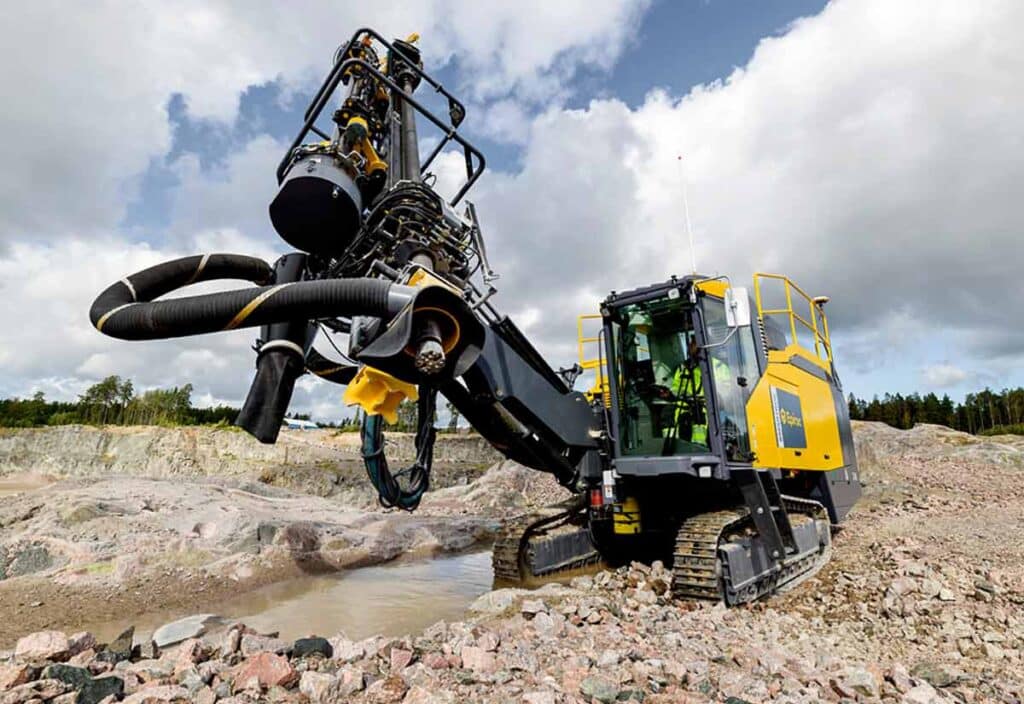



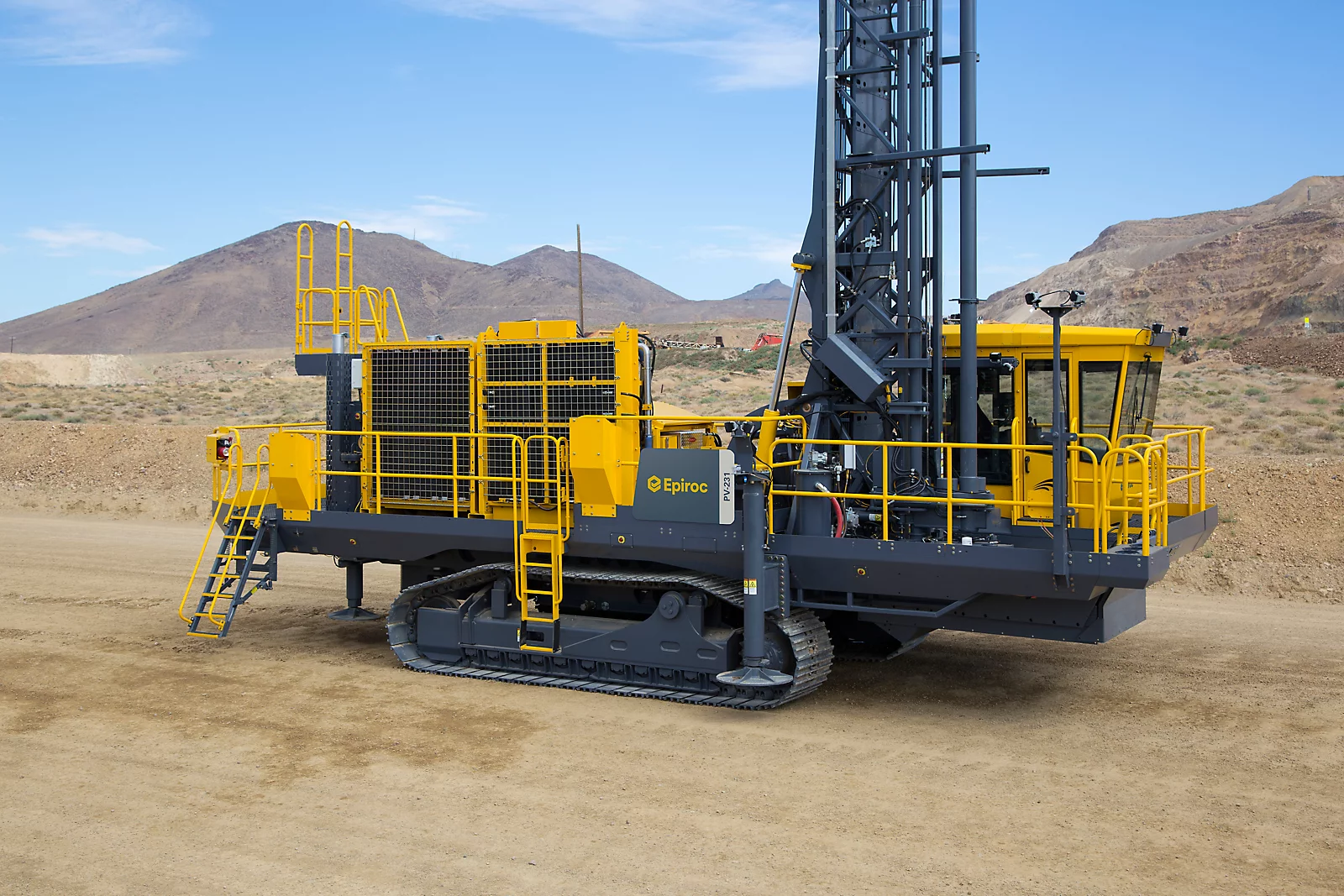
In mining and heavy industrial operations, drill rigs are among the most critical production assets on site. When a drill rig stops operating, the impact extends far beyond the equipment itself.
Production schedules are delayed. Crews remain idle. Operational costs escalate. Project timelines are disrupted. In high-output environments, unplanned drill rig downtime can cost thousands of dollars per hour.
Optimizing Epiroc drill rig performance and maximizing uptime is not simply a maintenance responsibility. It is a strategic business priority. Structured maintenance programs, proper parts selection, predictive diagnostics, and access to expert technical support directly influence productivity, safety, and total lifecycle cost.
This guide outlines how disciplined maintenance strategies improve reliability, prevent failures, and create long-term operational stability.
Why Epiroc Drill Rig Maintenance Is Critical to Operational Performance
Epiroc drill rig maintenance extends far beyond routine servicing. It requires a systematic approach designed to preserve reliability under continuous high-load operating conditions.
An effective maintenance program protects:
- Structural integrity of feed systems and machine frames
- Hydraulic pressure stability and fluid quality
- Compressor efficiency and airflow performance
- Electrical systems, sensors, and automation controls
- Wear components that directly affect drilling accuracy and penetration rates
When maintenance is inconsistent or delayed, small issues can escalate rapidly into major mechanical failures that compromise both productivity and safety.
The drill rigs referenced in this guide are manufactured by Epiroc, a global leader in surface and underground mining equipment innovation. Following OEM-aligned maintenance procedures is essential to maintaining system integrity.
The True Cost of Drill Rig Downtime
Downtime costs extend beyond the failed component itself. The operational impact includes:
- Lost production and delayed blasting schedules
- Idle operators and support equipment
- Emergency repair labor
- Expedited parts logistics
- Increased safety exposure during reactive repairs
- Accelerated wear caused by compromised systems
Because drill rigs sit at the center of production flow, preventing downtime must be embedded into operational planning.
Implementing a Structured Epiroc Drill Rig Maintenance Program
Sustainable uptime begins with structure. A clearly defined Epiroc drill rig maintenance program ensures that inspections, servicing, and component replacement occur at planned intervals.
A strong program includes:
- Daily and shift-based inspections
- 250 hour preventive service intervals
- 500 and 1000 hour structured maintenance checkpoints
- Detailed documentation and service tracking
- Coordination between operations and maintenance teams
Model-specific checklists are critical. Surface drill models such as the SmartROC D65 require defined preventive procedures to ensure optimal performance. For detailed model guidance, refer to structured resources such as a SmartROC D65 preventive maintenance checklist that outlines daily inspections and scheduled service intervals.
Standardization reduces variability and improves long-term reliability across shifts and regions.
How Proactive Maintenance Optimizes Drill Rig Performance
Reactive repairs increase costs and operational uncertainty. Proactive maintenance stabilizes performance and reduces mechanical stress.
Core principles include:
- Inspecting components before failure occurs
- Correcting minor leaks and alignment deviations early
- Maintaining strict contamination control standards
- Monitoring system pressures and operating temperatures
- Acting on operator feedback regarding vibration or performance changes
Proactive intervention improves drilling consistency, reduces strain on high-load components, and extends service life.
From Preventive to Predictive Maintenance
Modern drill rig optimization extends beyond scheduled intervals. Advanced operations incorporate predictive maintenance strategies.
Predictive methods include:
- Monitoring hydraulic pressure trends
- Tracking compressor temperature performance
- Reviewing sensor diagnostics and system alerts
- Analyzing historical wear patterns
- Using performance data to anticipate service needs
Predictive maintenance reduces unplanned downtime by identifying failure risks before they interrupt production. When integrated with preventive maintenance planning, it creates a highly resilient operational framework.
Proven Strategies for Maximizing Drill Rig Uptime
High-performing drilling operations implement disciplined uptime strategies.
Effective practices include:
- Scheduled inspections to identify early wear
- Condition monitoring of hydraulic and airflow systems
- Operator training to recognize warning signs
- Maintaining inventory of critical spare parts
- Access to trained technical support for advanced diagnostics
Combining structured maintenance with strategic parts readiness significantly improves equipment availability.
Maintenance Checklists for Consistent Drill Rig Performance
Standardized maintenance checklists reduce variability and ensure accountability.
Daily and Shift Inspections
- Inspect hydraulic hoses and fittings for leaks
- Verify engine oil, hydraulic oil, and coolant levels
- Check for abnormal vibration or unusual noise
- Confirm control panel and safety system functionality
Weekly and Preventive Maintenance Tasks
- Replace or inspect air and hydraulic filters
- Evaluate hose integrity and sealing components
- Verify torque on critical fasteners
- Inspect lubrication systems
Scheduled Service Intervals
- Compressor servicing and airflow validation
- Hydraulic system pressure testing
- Electrical diagnostics and sensor calibration
- Evaluation of wear components and feed alignment
These procedures create operational consistency and reduce the risk of catastrophic failure.
The Importance of Genuine Parts in Drill Rig Reliability
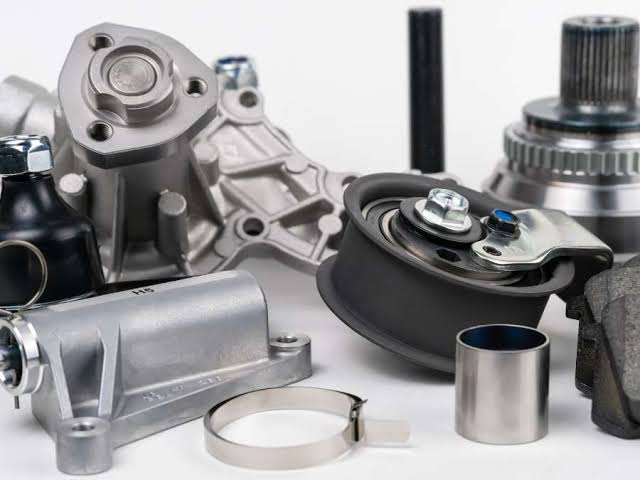
Component quality directly affects reliability. Genuine or authorized parts are manufactured to meet precise performance tolerances required for high-load drilling environments.
Using non-certified components can result in:
- Improper fitment and premature wear
- Increased vibration and mechanical stress
- Reduced system efficiency
- Higher lifecycle maintenance costs
Reliable operations depend on parts engineered for durability under real mining conditions.
Why Authorized Service Support Improves Reliability
Authorized service providers offer technical depth beyond general repair capabilities.
Advantages include:
- Access to official technical documentation
- Technicians trained on Epiroc systems
- Specialized diagnostic tools
- Compliance with warranty and manufacturer standards
Professional service reduces repeat failures and ensures repairs are completed correctly the first time.
Supporting Drill Rig Operations Across Multiple Regions
Mining operations often span multiple geographic regions. Reliable support requires:
- Regional spare parts availability
- Efficient international logistics
- Technical expertise adapted to local environmental conditions
Integrated support helps maintain performance regardless of operating location.
Building a Long-Term Drill Rig Performance Strategy
Sustainable reliability requires coordination between maintenance planning, operations management, and supply chain readiness.
Long-term strategies include:
- Analyzing service history to identify recurring wear patterns
- Maintaining inventory of high-risk spare parts
- Scheduling maintenance around production cycles
- Using failure data to refine service intervals
When maintenance becomes strategic rather than reactive, uptime improves and operational risk decreases.
Frequently Asked Questions About Epiroc Drill Rig Maintenance
Q. How often should Epiroc drill rigs be serviced?
Service intervals vary by model and operating conditions. Daily inspections combined with structured preventive intervals such as 250, 500, and 1000 hour services are essential for reliable performance.
Q. What causes most drill rig breakdowns?
Common causes include hydraulic leaks, compressor inefficiencies, electrical faults, and delayed preventive maintenance. Most major failures originate from minor issues that were not addressed early.
Q. What is the difference between preventive and predictive maintenance?
Preventive maintenance follows scheduled service intervals. Predictive maintenance uses operating data and diagnostics to anticipate failures before they occur. Combining both approaches significantly improves uptime.
Q. Why are genuine parts critical for drill rig reliability?
Genuine or authorized components meet strict engineering standards. They ensure correct fitment, reduce vibration, and protect system integrity over time.
Q. How can mining operations improve fleet-wide drill rig uptime?
Implementing structured maintenance programs, maintaining parts readiness, tracking service data, and working with specialized technical support providers improves overall fleet availability.
Maximize Drill Rig Uptime with a Strategic Maintenance Partner
Drill rig reliability is not achieved through reactive repairs. It is built through disciplined maintenance planning, predictive diagnostics, quality component selection, and experienced technical expertise.
Millennium Machinery Parts & Service provides heavy equipment support, genuine spare parts, and specialized technical services designed to help mining and industrial operations maintain consistent productivity.
Whether you require preventive maintenance planning, predictive performance analysis, or authorized service support, our team delivers structured solutions across Florida and Latin America.
Schedule a preventive maintenance strategy review with Millennium Machinery today and strengthen your Epiroc drill rig performance before downtime impacts your operation.