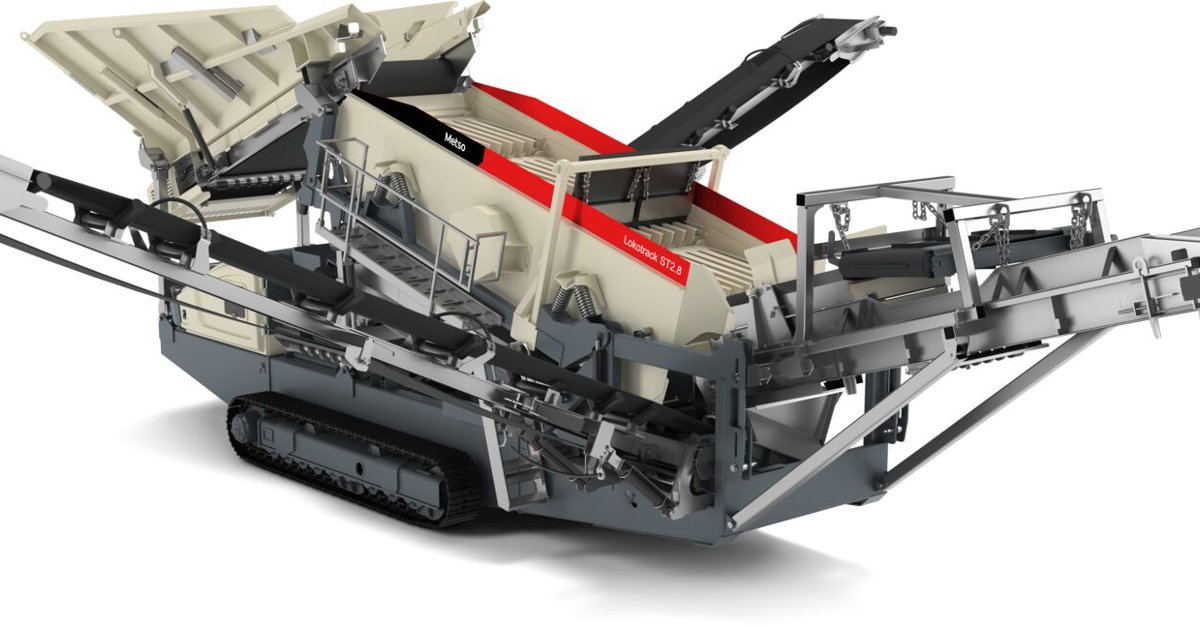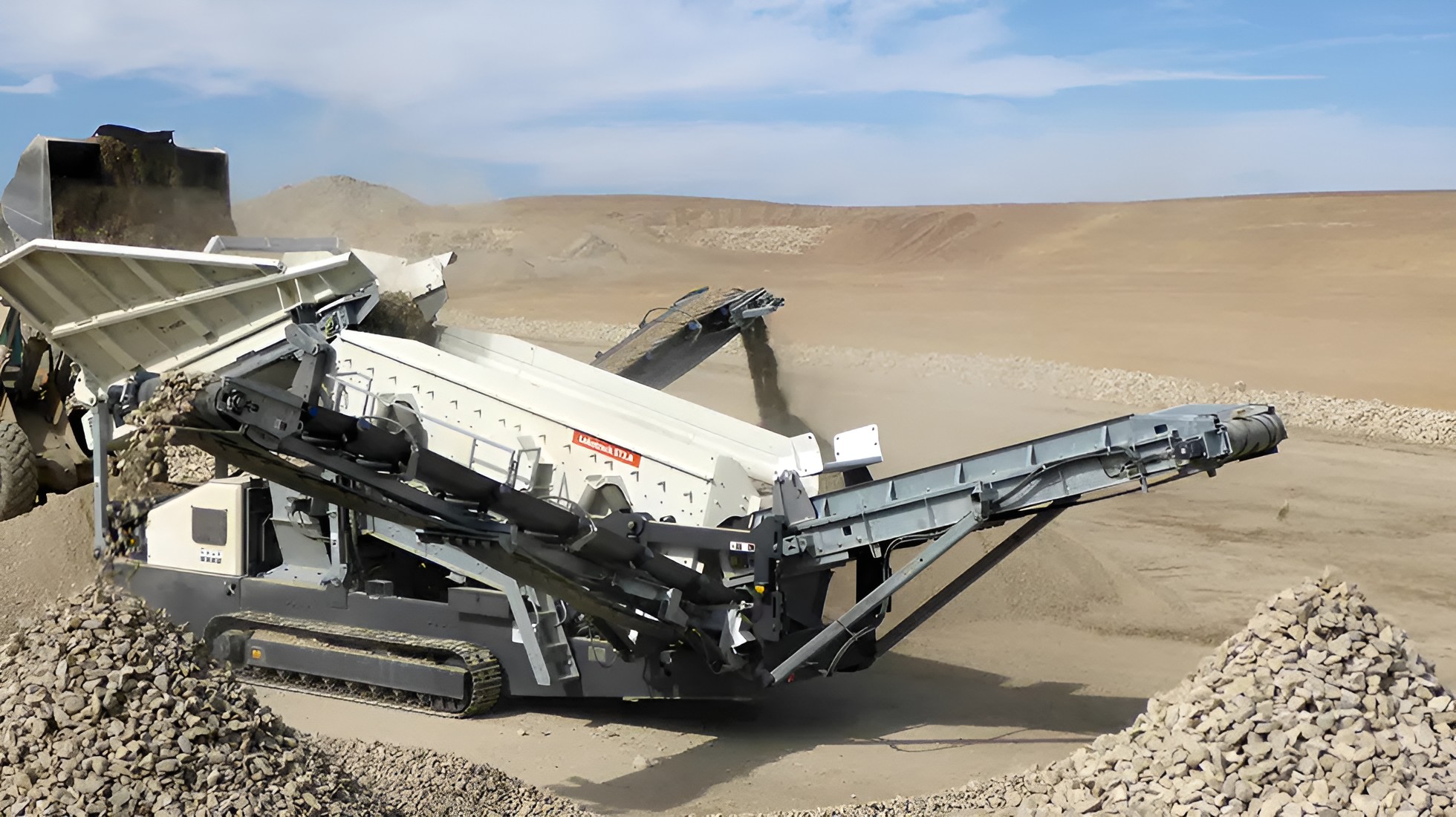



Topsoil, demolition waste, and river gravel share one thing in common: they clog standard screens. Sticky feed sticks to itself, sticks to screen media, and slows production to a crawl on equipment that was never designed to move it. The Metso Lokotrack ST2.8 was built specifically to solve this problem, and understanding how it does that makes the difference between a unit that keeps up with production and one that becomes the bottleneck.
This post covers why sticky feed breaks standard screens, what the ST2.8 actually delivers, and why its stroke and flexibility make it a strong fit for operations moving into Ecuador, Panama, and Guyana.
Why Sticky Material Breaks Standard Screens
What Happens When Topsoil, Demolition Waste, or River Gravel Hits a Standard Screen
A standard screen relies on a moderate stroke to move feed across the deck and separate it by size. Sticky material does not cooperate with that motion. It clumps together, binds to the surface, and blinds the openings faster than it can pass through. Production drops, downtime for cleaning increases, and the machine spends more time fighting the feed than processing it.
Why the ST2.8 Was Engineered Specifically for This Problem
Metso designed the ST2.8 around the recognition that sticky feed needs more aggressive separation force than standard screening applications require. Every part of the unit, from the stroke to the deck geometry, is built around moving feed that would otherwise clog a conventional machine.
What the ST2.8 Actually Delivers
The Largest Eccentric Throw on the Market and What It Means for Separation
The ST2.8 runs the largest eccentric throw available in its class. That extra motion breaks apart clumped feed and keeps it moving across the deck instead of accumulating on the surface. For sticky applications, throw is the single factor that determines whether the unit keeps pace with feed or falls behind.
Two-Deck Design and Up to 500 TPH Throughput
The machine runs a two-deck configuration measuring 4,860 by 1,520 millimeters, capable of processing up to 500 tonnes per hour depending on feed type and application. The bottom deck area is larger than the previous generation, and clearance underneath has increased by 20 percent, giving separated product more room to fall through cleanly rather than backing up.
Compact Dimensions and Low-Emission Operation for Sensitive Sites
The ST2.8 is significantly lighter than its predecessor, which simplifies transport between sites. A Caterpillar C4.4 diesel engine meets current emission regulations, and the unit runs quieter than comparable equipment, making it a workable option even in operations located near residential areas.
Why High Stroke Matters Specifically for Sticky Feed
How Eccentric Throw Affects Material Movement Across the Deck
Eccentric throw determines how far and how forcefully feed is thrown with each cycle. A higher throw breaks the surface tension that causes sticky feed to bind together, giving individual particles the separation force needed to pass through the mesh rather than clumping on top of it.
What Happens When a Unit Does Not Have Enough Throw for the Application
A machine with insufficient throw for sticky feed processes at a fraction of its rated capacity. Buildup accumulates on the deck, openings blind faster, and operators end up manually clearing it to keep production moving. The ST2.8’s throw is engineered to eliminate that specific failure mode.
The Two-Way Split Option: Positioning the ST2.8 Between a Jaw and Cone Crusher
How the Two-Way Split Works in a Multistage Crushing Line
With the two-way split option, the ST2.8 can sit between a primary jaw crusher and a secondary cone crusher, removing fines before feed reaches the cone. This protects the secondary crusher from processing content it does not need to handle and improves overall circuit efficiency.
If you want to learn more about the primary jaw crusher that pairs naturally with this setup, check out our guide on the Metso Lokotrack LT106 mobile jaw crusher built for demolition and quarrying.
Why This Flexibility Matters for Operations Running Mixed Feed
Operations that process a mix of feed types benefit from a unit that adapts to different roles: primary scalping ahead of the crusher, mid-circuit fines removal, or final product separation. The ST2.8’s two-way split makes it useful across more of the production line than a single-purpose machine.
If you want to learn more about a different screening approach built for final product separation instead of scalping, check out our guide on the Metso Lokotrack ST4.8 triple-deck mobile screen for four-product aggregate production.
Mobile Screening Plant for Sale in Ecuador: What Operators Should Know Before Buying
Matching the ST2.8 to Topsoil, Recycling, or Aggregate Applications
Operators evaluating a mobile screening plant for sale in Ecuador should confirm the specific feed type they expect to process. The ST2.8’s stroke and deck configuration are matched to topsoil, demolition recycling, and natural sand applications, and understanding which of these applies determines the right media setup for the unit.
What Comes Standard vs What Should Be Confirmed Before Purchase
Before purchase, confirm what is included with the specific unit:
- Media type: grizzlies, fingers, punch plates, or wire mesh
- Whether the two-way split configuration is installed
- Metso IC process control system availability
- Current hours and maintenance history if the unit is used
- Compatibility with an existing or planned crushing line
These details affect both the purchase price and how quickly the unit fits into production.
ST2.8 Screen Support in Panama and Guyana: Why Regional Availability Matters
Why a Wrong or Delayed Media Order Costs More the Farther It Has to Travel
For operations sourcing the st2.8 screen in Panama or Guyana, a wrong or delayed order does not just mean a replacement shipment. It means a second round of international freight and customs clearance while the unit sits idle or runs on media that does not match the job.
What Ownership Looks Like After the Sale: Parts, Service, and Technical Support
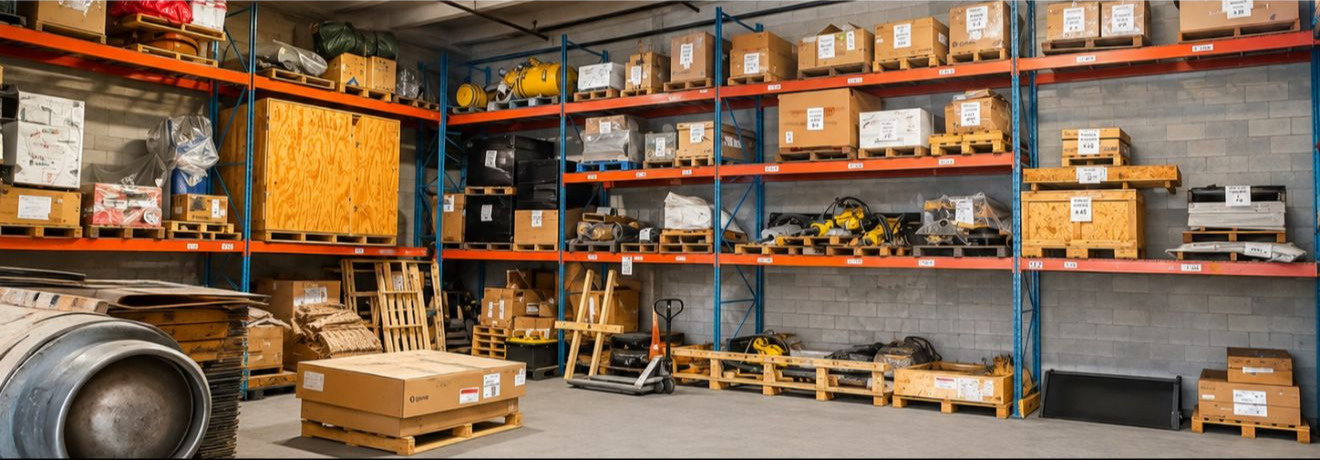
Owning an ST2.8 means an ongoing relationship with media, feeder components, and technical support, not just a one-time purchase. Having a supplier positioned to support those needs regionally protects uptime long after the initial sale.
What Millennium Machinery Offers on the Lokotrack ST2.8
Current Availability and What’s Included With the Unit
Millennium Machinery has the Metso Lokotrack ST2.8 available now for operators in Ecuador, Panama, and Guyana. Contact our team for current specifications, hours, and configuration details on the available unit.
Genuine Metso Parts and Technical Support as an Authorized Aggregates Partner
As an authorized Metso Aggregates partner, Millennium Machinery backs every ST2.8 sale with genuine parts access and factory-trained technical support, so the unit stays productive well beyond the purchase itself.
If you want to learn more about what certified Metso Aggregates partner support actually means for your equipment, check out our guide on what certified Metso Aggregates partner support actually means for your equipment.
Quick Answers
What makes the ST2.8 different from a standard mobile screen?
The ST2.8 runs the largest eccentric throw available in its class, engineered specifically to separate sticky material like topsoil, demolition waste, and river gravel that would clog a standard unit.
What is the maximum throughput of the ST2.8?
Up to 500 tonnes per hour, depending on the material and application, across its two-deck configuration.
Can the ST2.8 be used between a jaw and cone crusher?
Yes. The two-way split option allows the ST2.8 to remove fines between a primary jaw crusher and a secondary cone crusher, protecting the cone and improving circuit efficiency.
Why does regional sourcing matter for equipment like the ST2.8?
A wrong or delayed media order requires a second round of international freight and customs clearance, which costs more time and money than sourcing from a regional supplier.
Does Millennium Machinery support the ST2.8 after purchase?
Yes. As an authorized Metso Aggregates partner, Millennium Machinery provides genuine parts access and factory-trained technical support for every ST2.8 sold.
Get the Right Screen for Sticky Material
Millennium Machinery has the Metso Lokotrack ST2.8 available now for operators in Ecuador, Panama, and Guyana, backed by genuine parts and authorized technical support.
Contact our team today to discuss availability and get this unit into production.