


Most mining operations do not think about parts until something stops working. By then the options are limited, costs are elevated, and production is already behind. A proactive inventory strategy changes that dynamic. It shifts the conversation from emergency sourcing to planned availability, and the difference shows up directly in uptime, repair timelines, and the cost of keeping equipment running.
This post covers how to build that strategy, what to prioritize, and how your supplier relationship fits into it.
Why Reactive Parts Sourcing Costs More Than a Stocked Inventory
The True Cost of Emergency Procurement
When a critical part fails and nothing is on hand, operations turn to emergency sourcing. A component that costs $200 on a standard lead time can run $800 or more on expedited freight. Across a fleet with multiple active repairs, those premiums accumulate fast. Emergency procurement is not a rare exception in operations without a stocking strategy. It becomes a recurring expense.
How Parts Unavailability Extends Repair Timelines
A repair that should take four hours becomes a three-day shutdown when the required part must be sourced under pressure. The technical work is straightforward. The delay is a supply chain problem. Operations that carry critical inventory in advance eliminate that delay entirely for the failures they can anticipate.
Why Proactive Stocking Is a Financial Decision
Maintaining inventory carries a cost. The same is true of not maintaining one. The question is not whether to invest in stocked parts but which investment is smaller. For high-criticality components with long lead times, the cost of a single unplanned shutdown almost always exceeds the carrying cost by a significant margin.
How to Identify Which Mining Equipment Parts Belong in Your Inventory
Criticality Analysis: Not Every Part Needs to Be Stocked
The goal is not to stock everything. It is to stock the right things. A criticality analysis evaluates each component based on two factors: how severely the operation is affected if it fails, and how difficult it is to replace quickly. Parts that score high on both belong in your inventory. Those that are easy to source on short notice do not require advance stocking.
For a practical overview of what makes a reliable sourcing partner for urgent and critical parts requests, read our guide on what to look for when sourcing mining replacement parts for sale.
Lead Time as a Primary Stocking Driver
Lead time is one of the most practical inputs for any inventory decision. A part that can arrive within 24 hours from a local distributor carries low priority. A specialized assembly requiring three weeks from an international source carries high priority regardless of how rarely it fails. If it fails once without a spare on hand, three weeks of downtime answers the question.
Failure Frequency and Historical Data
Historical data is the most accurate guide to inventory decisions. Parts that fail consistently across your fleet, or at predictable service intervals, are candidates for minimum stock levels. Operations without formal tracking can start by reviewing maintenance records and consulting their supplier for failure pattern data across similar equipment configurations.
Building Your Mining Equipment Spare Parts Framework
Categorizing Parts by Risk and Replacement Impact
A practical framework divides mining equipment spare parts into three categories:
- Vital: components whose failure stops production entirely and cannot be quickly replaced
- Important: assemblies that degrade performance or create secondary damage if not addressed promptly
- Routine: wear parts replaced on predictable schedules with readily available supply
Vital components warrant dedicated quantities on site. Important assemblies warrant minimum levels or confirmed supplier availability. Routine wear parts can be managed through scheduled procurement.
Setting Minimum Stock Levels for High-Priority Components
Minimum levels should reflect lead time, failure history, and the operational impact of unavailability. For a single-site operation running a uniform fleet, this calculation is relatively straightforward. For operations managing multiple sites or mixed equipment brands, it becomes more complex and benefits from supplier input on sourcing timelines.
Accounting for Fleet Diversity
Operations running equipment from multiple manufacturers face a more demanding planning challenge. Each platform has its own failure patterns, lead times, and parts availability profile. A haul truck from one manufacturer and a drill rig from another may share no common components despite performing similar roles. Inventory decisions must be made per platform, not per equipment category.
How Your Supplier Relationship Affects Your Inventory Strategy
Why a Knowledgeable Supplier Strengthens Planning
A provider with direct knowledge of your equipment platforms can identify which components carry the highest failure risk and the longest resourcing lead times. That input is valuable when building a framework, particularly for operations without extensive historical data. A supplier who has handled dozens of orders for similar configurations has already seen where the critical gaps emerge.
Using Lead Time Data to Drive Priorities
Ask your provider for lead time data on the parts you are evaluating for on-site storage. The answer will often clarify the decision. A component sourced within a few days needs minimal safety stock. One requiring three to six weeks from the manufacturer warrants a dedicated quantity regardless of failure frequency.
Coordinating Before a Failure Happens
The most effective inventory strategies are built in collaboration with a reliable supplier before anything breaks. Share your fleet details, critical parts list, and acceptable downtime thresholds. A capable provider will use that information to flag sourcing risks, recommend minimum quantities, and identify alternatives for assemblies with limited availability.
Building that level of coordination requires more than a transactional supplier. For a full breakdown of what long-term supply relationships look like in practice and how to structure one, read our guide on what long-term mining replacement parts supplier relationships actually look like.
Common Inventory Strategy Mistakes Mining Operations Make
Prioritizing Price Over Criticality
The most common mistake is focusing on cheaper, easier-to-source components and deprioritizing expensive or specialized ones. The parts that are most difficult and costly to source quickly are exactly the ones that belong in a stocked inventory. A $50 wear part with two-day availability does not need safety stock. A $5,000 hydraulic assembly with a six-week lead time does.
For guidance on evaluating whether OEM or quality-verified aftermarket options are the right choice for your critical components, read our guide on OEM vs aftermarket mining parts: cost, risk, and warranty explained.
Ignoring Long-Lead-Time Components Until They Are Needed
Long-lead-time heavy equipment parts for mining are the highest-risk assets in any fleet. They are often overlooked during planning because they fail infrequently. But when they do fail without a spare on hand, the downtime they generate far exceeds the carrying cost. Operations that identify and position these components in advance remove the most dangerous gap in their supply chain.
Treating Every Equipment Brand the Same Way
Different manufacturers have different parts ecosystems. Some brands have extensive local distribution networks with short lead times. Others rely on centralized international warehousing that adds weeks to any urgent order. Applying a single standard across a mixed fleet misses these differences and leaves the most vulnerable platforms exposed.
How Millennium Machinery Supports Parts Inventory Planning for Mining Operations
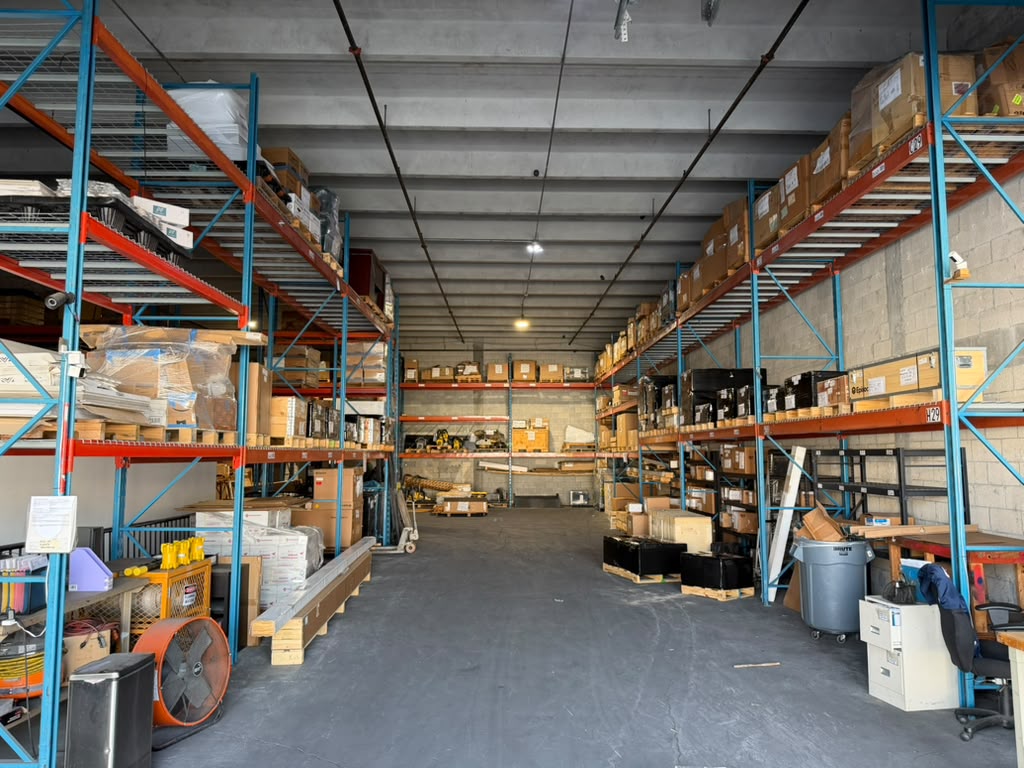
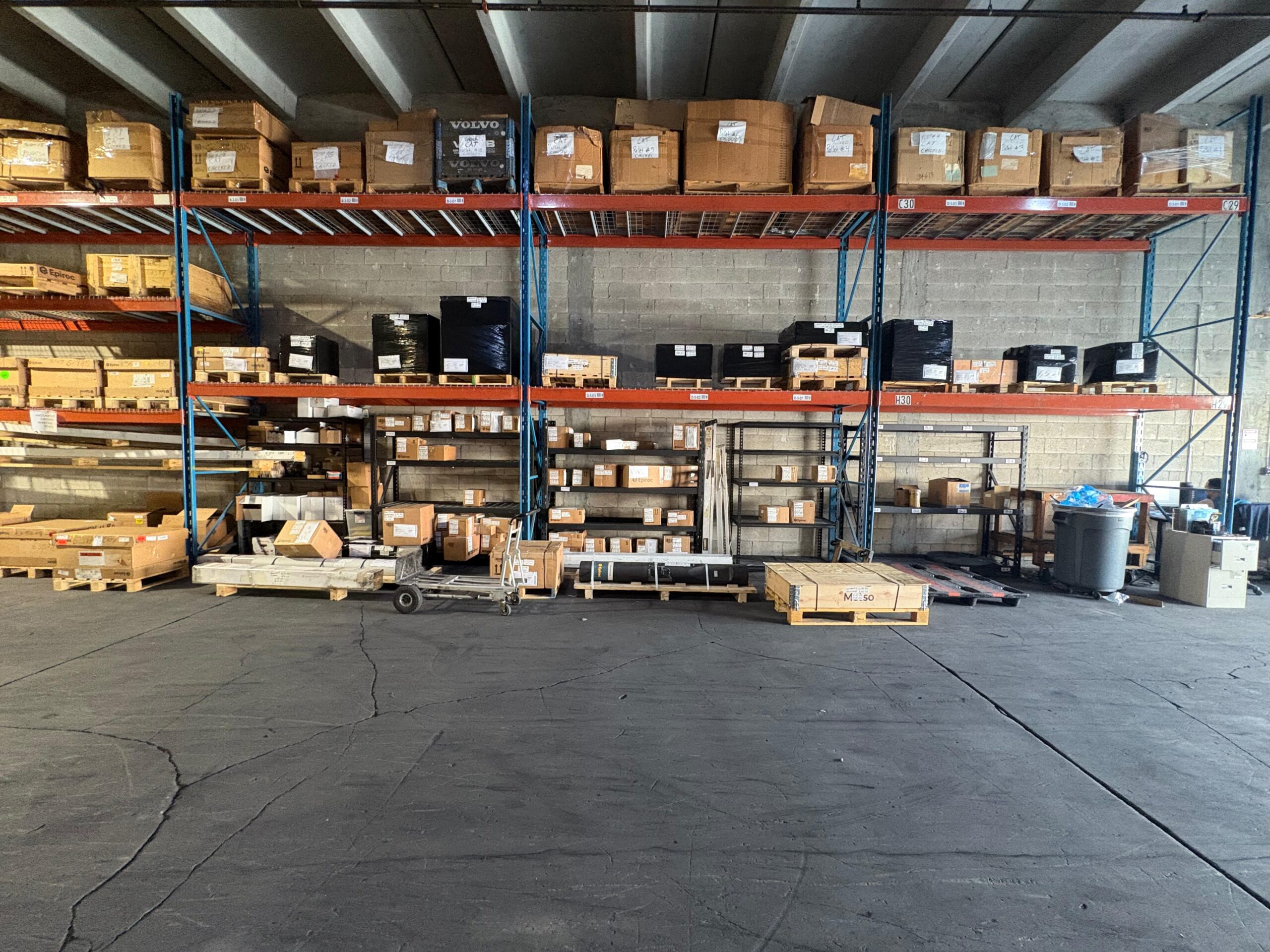
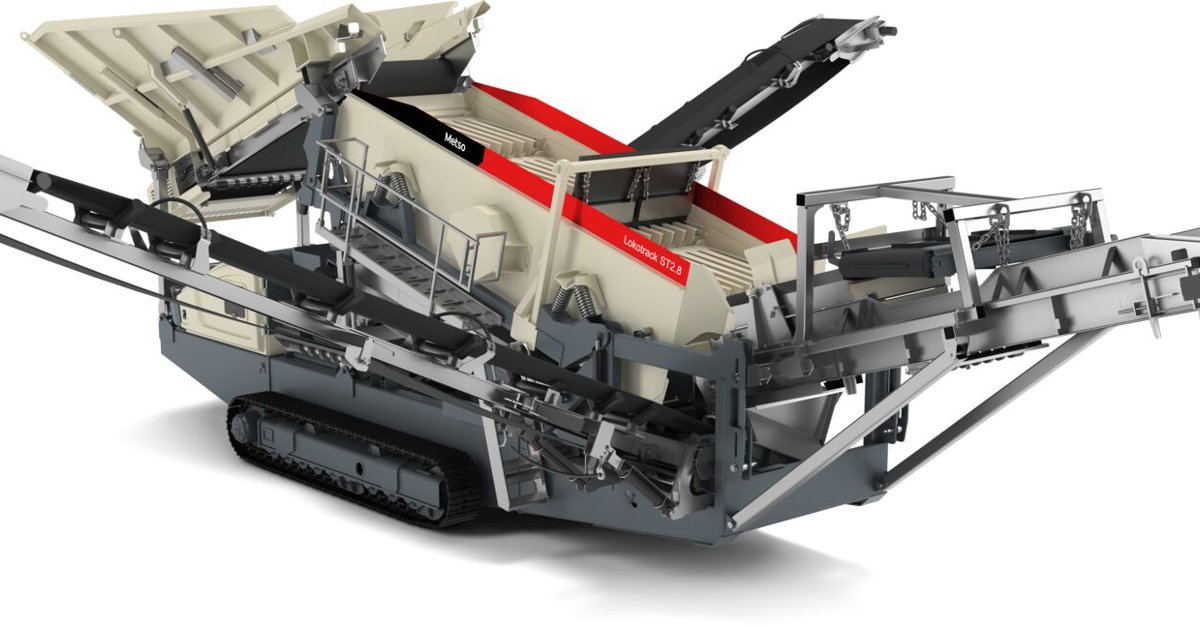
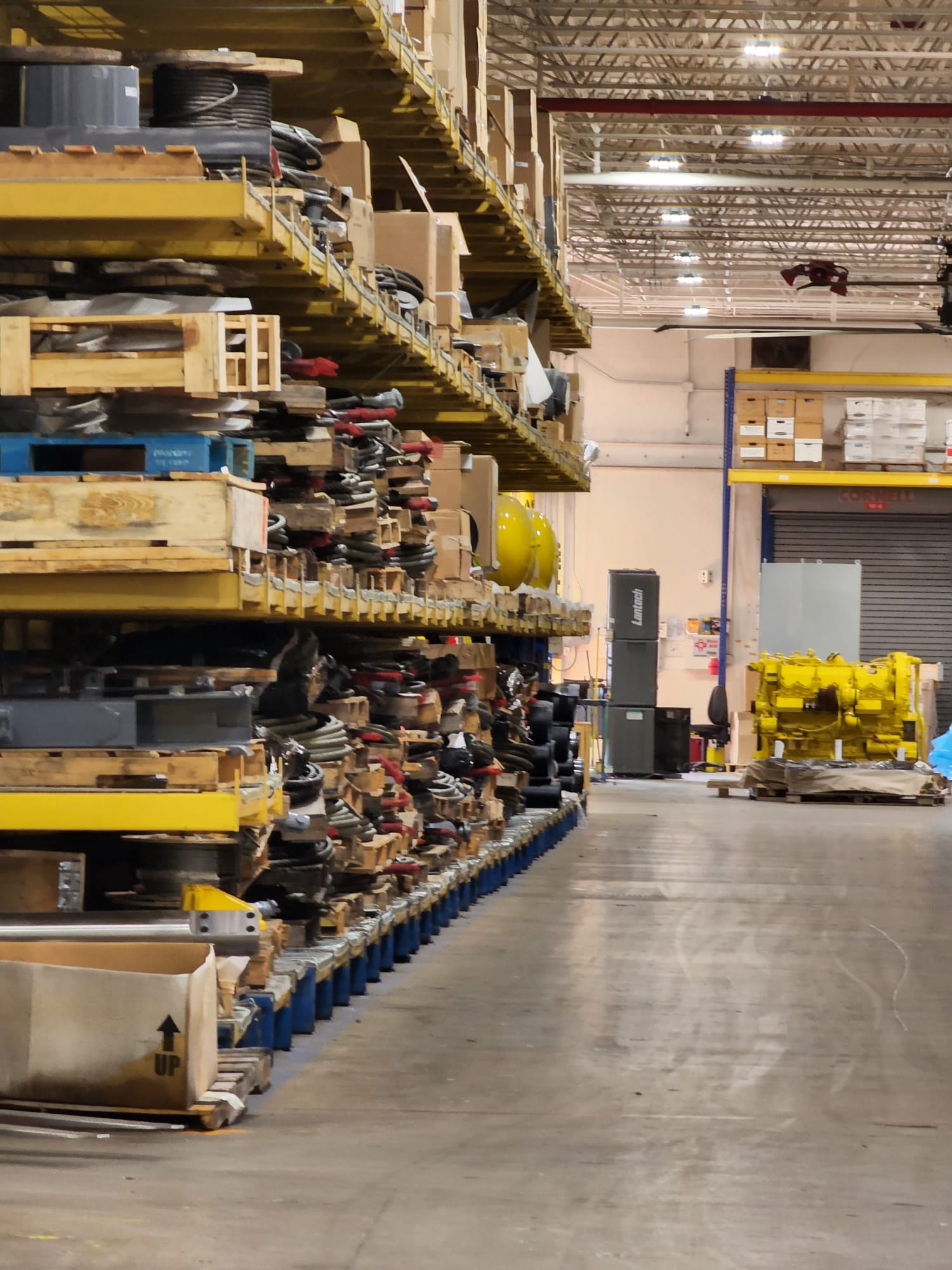
Millennium Machinery supplies mining equipment parts and spare components for a wide range of platforms across the U.S., Caribbean, and Latin America. The team operates as an authorized Epiroc and Metso dealer with sourcing capability extending across Caterpillar, Komatsu, and other major brands used in mining and heavy industrial applications.
Beyond filling orders, the team supports planning by providing lead time data, identifying high-risk components across specific configurations, and flagging availability concerns before they become operational problems.
For customers managing diverse fleets across multiple sites, Millennium Machinery functions as a single sourcing point for mining equipment spare parts across brands, reducing the coordination burden and improving response consistency.
Support includes:
- Critical and high-wear components for Epiroc, Metso, Caterpillar, Komatsu, and other platforms
- Lead time data and availability guidance to support inventory decisions
- OEM and quality-verified aftermarket sourcing options
- Export documentation and freight coordination for Caribbean and Latin American deliveries
- Technical support to confirm fitment and application compatibility
Quick Answers
Q: What mining equipment parts should I prioritize for my inventory?
Start with components that combine high operational criticality and long sourcing lead times. If a part stops production when it fails and takes weeks to replace, it belongs in your on-site inventory regardless of how rarely it fails.
Q: How does lead time affect parts stocking decisions in mining?
Lead time is one of the clearest inputs for priority. A component available within days needs little safety stock. One requiring weeks from an international source warrants dedicated inventory, particularly if its failure halts production.
Q: How many spare parts should a mining operation keep on hand?
There is no universal answer. Minimum levels depend on failure frequency, lead time, fleet size, and acceptable downtime. Start with your highest-criticality components and build from there using historical data and supplier input.
Q: How can a supplier help me build a better parts inventory strategy?
A knowledgeable provider shares lead time data, flags high-risk components based on experience with similar equipment, identifies sourcing alternatives, and advises on minimum quantities for assemblies with limited or slow availability.
Q: Does Millennium Machinery support inventory planning for mining equipment spare parts?
Yes. The team provides lead time guidance, sourcing recommendations, and technical confirmation for operations building or refining their framework. Contact Millennium Machinery to discuss your fleet and critical parts list.
Stock Smart, Run Longer
Millennium Machinery supports mining operations with parts sourcing, technical verification, and inventory planning guidance for complex and diverse fleets.
Contact our team today to discuss your equipment and build a strategy that protects production.