


Unplanned cone crusher downtime affects more than one machine. It disrupts production, throws off maintenance schedules, increases wear-part consumption, and raises cost per ton across the plant. In aggregate, mining, quarrying, and heavy industrial operations, that kind of downtime usually starts with something small: a lubrication issue, rising oil temperature, poor feed distribution, uneven liner wear, or a missed inspection. Current Metso maintenance guidance consistently treats preventive maintenance as the best way to reduce those failures and protect uptime.
This article is built for maintenance managers, plant supervisors, technicians, and operators responsible for HP Series cone crusher performance. A strong cone crusher maintenance checklist creates consistency across shifts, helps teams catch early warning signs, and makes planned maintenance more effective. That matters even more in high-production environments where small mechanical issues can quickly become costly shutdowns. Metso’s HP Series materials and service guidance place major emphasis on planned maintenance, correct feed conditions, lubrication control, and timely wear-part management.
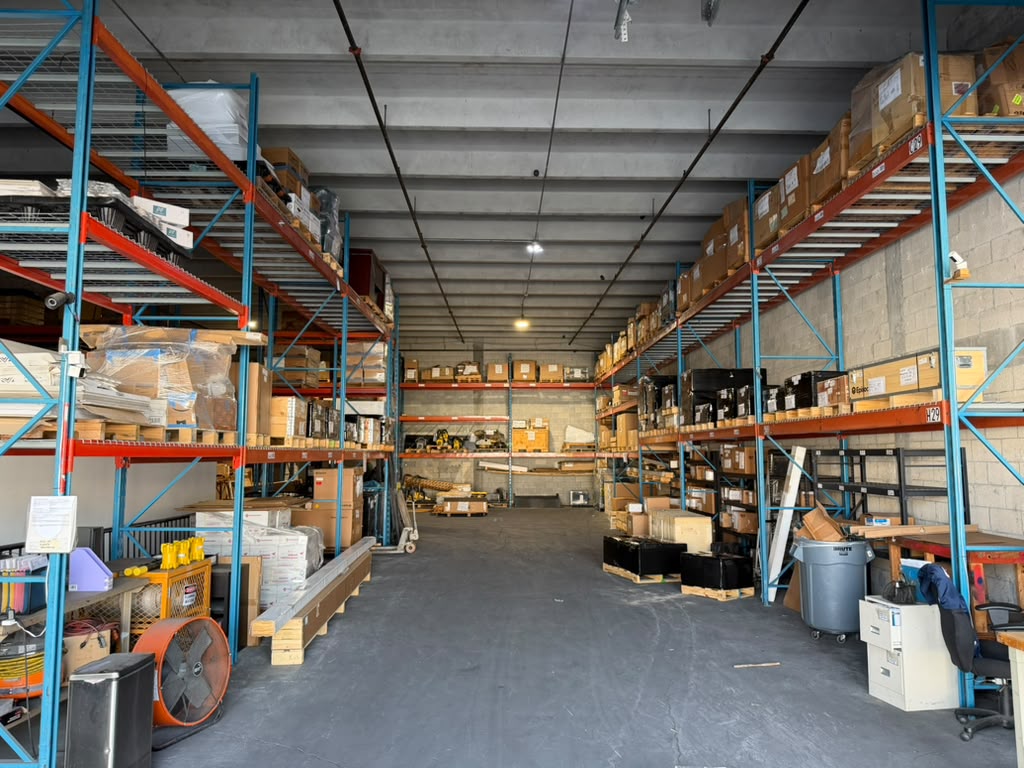
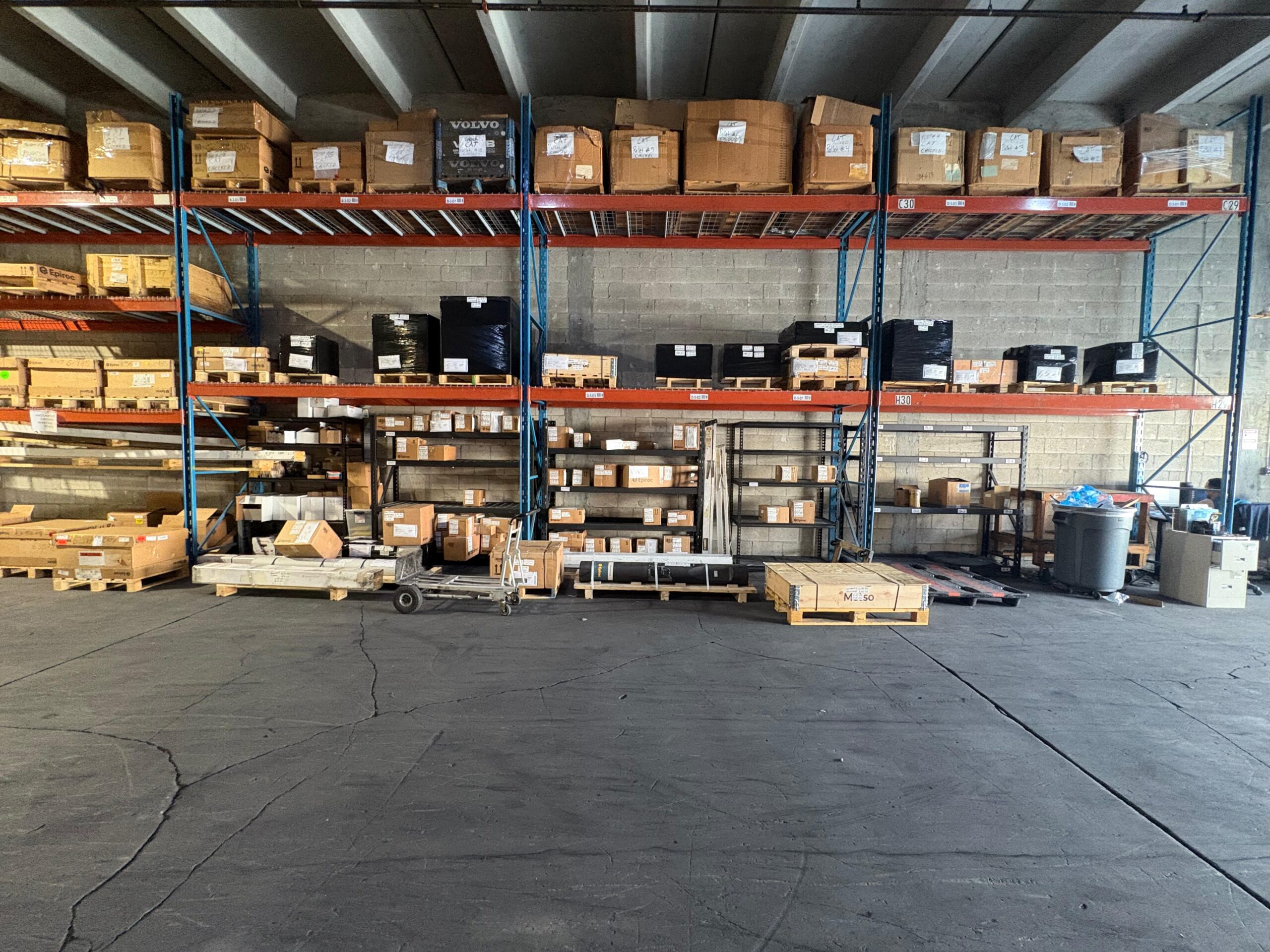
For operations that need dependable support, Millennium Machinery brings together heavy equipment expertise, spare parts, wear items, and technical services for the mining and heavy industrial sectors. That combination matters because preventive maintenance only works when inspections, parts planning, and technical support all move together.
For a broader plant-level view of uptime, inspections, and maintenance planning, read Maximizing Crushing & Screening Efficiency: Maintenance Guide for Metso Equipment.
Why preventive maintenance matters for HP Series cone crushers
A cone crusher does not need to stop completely to lose efficiency. It can still run while producing less consistent output, using more power, or wearing components faster than expected. That is why preventive maintenance is so important. It helps teams correct issues before they become breakdowns.
A strong preventive maintenance strategy helps operations:
- reduce unplanned downtime
- improve liner life
- protect bearings and internal components
- maintain stable throughput
- improve shutdown planning
- control repair costs
- reduce risk of major failures
Metso’s crusher maintenance guidance separates maintenance into reactive, preventive, and predictive approaches, with preventive maintenance providing better control over reliability and equipment life than waiting for failure. Their guidance also outlines recurring service intervals that commonly include daily, weekly, monthly, annual, and liner-change checkpoints.
What a cone crusher maintenance checklist should cover
A practical cone crusher maintenance checklist should focus on the systems that most directly affect reliability and performance. For HP Series cone crushers, the most important areas include:
- lubrication system condition
- hydraulic system condition
- liner and chamber wear
- feed distribution
- temperature and vibration changes
- structural condition
- housekeeping around the machine
- records of recurring issues
This checklist approach is important because Metso’s lubrication and inspection guidance repeatedly highlights oil pressure, oil temperature, cleanliness, hydraulic power unit checks, feed distribution, and component condition as core maintenance priorities.
Checklist-based maintenance also improves consistency. When inspections rely only on memory or shift habits, problems are easier to miss. A standardized checklist gives operators and technicians a repeatable process, helps document trends, and makes shutdown planning more accurate.
Cone crusher maintenance checklist: daily inspection priorities
Daily checks are the foundation of a good preventive maintenance program. These inspections do not need to be complicated, but they do need to be consistent.
Visual walkaround and safety checks
Start with a full visual walkaround before operation. Look for visible leaks, loose components, damaged hoses, debris buildup, or any obvious changes in machine condition. Confirm guards and access points are secure and that the area around the crusher is clean enough for safe inspection and maintenance.
Daily visual inspection is a common theme in Metso service guidance and other successful maintenance checklist articles because it helps catch developing issues before they escalate.
Lubrication and hydraulic checks
The lubrication system deserves close attention every day. Review oil level, oil pressure, and oil temperature. Inspect for contamination signs, leaks, blocked return screens, or poor circulation. Hydraulic components should also be checked for cleanliness, visible leaks, and general operating condition.
Metso specifically highlights oil pressure, oil temperature, tank return screen inspection, oil cleanliness, and hydraulic power unit checks as essential maintenance actions.
Operating condition checks
Pay close attention to how the crusher behaves during operation. Listen for abnormal noise. Watch for unusual vibration. Monitor how material enters the chamber. Poor feed distribution, inconsistent choke feed, or visible changes in power draw may indicate that the machine is not operating as it should.
Metso’s HP application guidance stresses the importance of even feed distribution around the chamber and maintaining correct choke feed conditions for stable performance and proper wear life.
Cone crusher maintenance checklist: weekly and scheduled service tasks
Daily inspections are essential, but weekly and scheduled service tasks are where many deeper maintenance issues are found.
Weekly checks that help prevent downtime
Weekly maintenance should include a closer review of:
- liner condition
- mantle and bowl liner wear patterns
- belt condition and alignment
- hose and fitting condition
- oil condition and contamination signs
- chamber buildup
- fasteners and support areas
- notes from operators about vibration, noise, or performance changes
These checks help identify problems that may not be obvious during a quick walkaround.
Monthly and planned shutdown maintenance
Planned shutdowns allow technicians to inspect internal wear surfaces, bearings, seals, lubrication components, and hydraulic systems more thoroughly. This is also the right time to clean buildup in critical areas, inspect structural points more closely, and confirm upcoming spare-part needs.
Metso’s maintenance guidance supports this interval-based approach, with more detailed reviews tied to monthly and major service points rather than relying only on daily inspection.
HP Series cone crusher maintenance: wear parts, feed, and chamber performance
Wear-part condition is one of the biggest factors affecting HP Series cone crusher performance. Liners do not need to be fully worn out before they begin reducing efficiency. In many cases, throughput, reduction, and product consistency begin to decline before the wear parts reach the end of their usable life.
Maintenance teams should monitor for:
- uneven liner wear
- reduced chamber performance
- poor product consistency
- signs of poor feed distribution
- material segregation in the chamber
- excessive recirculating load tied to crusher performance
Metso’s HP guidance shows that feed should be distributed evenly around the chamber and that choke feed level is important for stable performance, proper liner wear, and improved crusher efficiency.
Wear-part inspection should be tied directly to feed condition. If the crusher is not receiving material evenly, wear patterns may become uneven, which can shorten liner life and reduce chamber efficiency. That is why HP Series cone crusher maintenance is not only about replacing parts. It is also about making sure the crusher is operating under the right conditions.
Common maintenance mistakes that shorten HP crusher life
Many recurring failures are not caused by unusual events. They are caused by maintenance habits that slowly reduce reliability.
The most common mistakes include:
- delaying wear-part replacement too long
- ignoring oil pressure or oil temperature changes
- overlooking hydraulic power unit cleanliness
- running with poor feed distribution
- failing to document inspection results
- treating minor vibration as normal
- postponing inspection of contamination signs
These issues show up repeatedly in current maintenance guidance because they are common failure points in real operations. Metso’s content on lubrication, inspections, and preventive service repeatedly points to those systems as critical areas that should not be neglected.
How spare parts and technical support strengthen preventive maintenance
Preventive maintenance works best when operations have the right support behind them. A strong checklist helps identify what needs attention, but inspections alone do not solve the problem. Teams also need access to the right spare parts, wear items, and technical expertise.
That support helps operations:
- reduce downtime during shutdowns
- improve replacement planning
- diagnose recurring failures more accurately
- protect major components
- maintain more stable production
For a deeper look at liner condition, wear patterns, and replacement timing, see How to Identify & Replace Worn Crusher Wear Parts.
Millennium Machinery supports these needs with heavy equipment, spare parts, wear items, and technical services tailored to mining and heavy industrial operations. For HP Series cone crushers, that kind of support can make the difference between reactive repair and controlled maintenance planning.
Frequently asked questions about HP Series cone crusher maintenance
What is the purpose of a cone crusher maintenance checklist?
A cone crusher maintenance checklist gives operators and technicians a repeatable process for inspecting critical systems, identifying early warning signs, and improving maintenance consistency across shifts and service intervals.
Why is preventive maintenance important for HP Series cone crushers?
Preventive maintenance helps reduce unplanned downtime, protect internal components, improve wear-part life, and keep crusher performance more stable over time.
What should be checked daily on a cone crusher?
Daily checks should include visual inspection, leak detection, oil level, oil pressure, oil temperature, hydraulic condition, feed behavior, vibration, and visible wear or damage.
How does feed distribution affect cone crusher performance?
Poor feed distribution can create uneven liner wear, unstable chamber performance, and reduced efficiency. Metso’s HP guidance specifically recommends even feed distribution around the chamber and proper choke feed conditions.
When should wear parts be inspected?
Wear parts should be reviewed daily at a basic level and more closely during weekly inspections and planned shutdowns. Actual replacement timing should reflect application conditions and wear patterns.
When should a plant call for technical support?
Technical support should be considered when the crusher shows repeated failures, rising wear-part consumption, persistent lubrication issues, or declining output that routine maintenance does not correct.
Protect HP Series Crusher Reliability with a Strong Preventive Maintenance Program
A good preventive maintenance checklist for cone crushers helps operations do more than avoid failures. It improves planning, supports more stable output, protects expensive components, and gives maintenance teams a clearer picture of machine condition over time.
HP Series cone crusher maintenance works best when daily inspections, scheduled service, wear-part planning, and feed condition are managed together. For aggregate, mining, quarrying, and heavy industrial operations, that level of consistency is what protects uptime.
Millennium Machinery provides heavy equipment, spare parts, wear items, and technical services that help customers maintain reliable crusher performance in demanding environments. If your operation needs stronger support for HP Series maintenance, contact Millennium Machinery to schedule a technical evaluation and build a more effective preventive maintenance strategy.