


Most operations evaluate machine parts suppliers on price and lead time. Those are the visible numbers. The real cost of a poor supplier relationship rarely shows up on a purchase order. It shows up in downtime reports, emergency freight invoices, repeat equipment failures, and production targets that were never met.
This post breaks down where those hidden costs originate and what choosing the right heavy equipment parts supplier actually protects.
Why the Wrong Machine Parts Supplier Costs More Than You Think
The Gap Between Purchase Price and Total Cost
A lower unit price means nothing if the component arrives late, fits incorrectly, or fails ahead of schedule. The purchase price is one line item. The total cost of a supplier relationship includes order accuracy, lead time reliability, logistics execution, technical support quality, and the downstream consequences when any of those fail.
Operations that evaluate suppliers only on price are measuring the smallest part of the equation.
How Supplier Failures Compound Across an Operation
A single failure does not stay isolated. A delayed hydraulic component stops a machine, which delays a shift. A delayed shift pushes back a production schedule, and a missed target triggers penalties, idle labor costs, and emergency sourcing at premium rates. Each link in that chain adds expense, and none of it appears on the original purchase order.
Why Mining and Heavy Industrial Operations Are Most Exposed
Mining and heavy industrial sites run equipment under continuous load in remote or demanding environments. The margin for delays is thin, downtime is expensive, and the distance from major supply centers can be significant. These conditions make supplier selection a strategic decision, not a procurement formality.
The Cost of Wrong Orders
Wrong Parts, Wrong Fitment, Wrong Timing
A wrong order in a mining operation means more than returning a package. It means the repair waits. The machine stays down. A replacement must be sourced again, often under time pressure, at a higher price. If the incorrect item was installed before the error was caught, it may have caused secondary damage that compounds the original repair bill.
Wrong orders in heavy equipment applications frequently result from:
- Incomplete machine information provided at the time of ordering
- Suppliers without application-specific knowledge confirming orders they cannot verify
- Catalog-based sourcing that does not account for configuration differences across equipment generations
- No technical review before shipment
One of the most effective ways to reduce wrong order risk is building a proactive parts inventory framework with your supplier before failures occur. For a step-by-step guide, read our post on how to build a mining equipment parts inventory strategy that protects uptime.
How Application Knowledge Prevents Wrong Orders
A supplier with direct knowledge of the equipment being supported catches fitment errors before they become logistics problems. They ask the right questions, verify against known configurations, and flag discrepancies before anything leaves the warehouse. That capability does not show up in a price quote, but it prevents expenses that dwarf any savings on unit price.
The Cost of Logistics Failures
What Happens When Components Do Not Arrive on Schedule
Late arrivals create the same operational impact as components that were never ordered. Production falls behind. Labor sits idle. The only difference is that the order was placed and the expenditure was already committed.
For sites in the Caribbean, Latin America, and other international markets, logistics failures carry additional weight. Customs delays, incomplete documentation, and inexperienced freight coordination can add days or weeks to a repair timeline that had no room for either.
Emergency Freight and the Premium It Carries
When standard sourcing fails, operations turn to emergency procurement. A component that costs $200 on a standard lead time can cost $800 or more on overnight or expedited freight. Across a fleet with multiple active repairs, those premiums accumulate quickly. Emergency freight is not an exception in operations with unreliable suppliers. It becomes a recurring line item.
Why International Operations Face Greater Logistics Risk
Sites receiving inventory from Miami to the Caribbean or South America face customs requirements, export documentation standards, and last-mile delivery challenges. A domestically focused supplier is not equipped to handle any of those requirements. A provider without international logistics experience creates delays at every border crossing. One with established freight relationships and documentation protocols moves shipments through the same process without friction.
The Cost of Downtime Caused by Parts Availability
What Unplanned Equipment Downtime Actually Costs
Industry data consistently shows that the visible cost of a breakdown, the components and labor, represents a fraction of the total. The full picture includes:
- Lost production output during the downtime window
- Idle labor costs for operators and support crews
- Overtime to recover lost output after the repair
- Penalties for missed contractual commitments
- Emergency procurement premiums on inventory and freight
For mining operations, the true cost of unplanned downtime is estimated at five to ten times the direct repair bill. A supplier that contributes to availability failures is contributing to that multiplier.
How Delays Turn Small Failures Into Extended Shutdowns
A component failure that should take four hours to fix becomes a three-day shutdown when the item is unavailable and must be sourced under pressure. The repair itself is straightforward. The delay is entirely a supply chain problem. Sites with reliable machine parts suppliers have pre-qualified sourcing paths for critical components before failures occur. Those without pre-qualified paths discover their exposure at the worst possible moment.
The Cost of Poor Part Quality
How Substandard Components Create Repeat Failures
An item that fails ahead of its rated service life creates two repair events where one was expected. The second carries all the same expenses as the first, plus the price of the failed component. Where incorrect fitment or substandard material causes secondary damage to adjacent systems, the bill expands further.
Unverified inventory from channels without quality controls introduces this risk consistently. The savings on unit price disappear in the first repeat failure.
OEM and Quality-Verified Sourcing as a Cost Control Strategy
Sourcing OEM or quality-verified aftermarket options from a supplier with established verification processes is not a premium decision. It is a cost control decision. The higher unit price of a reliable component is predictable. The expense of a repeat failure is unpredictable, and almost always greater.
For a detailed breakdown of when OEM is the right call versus quality-verified aftermarket, and how to evaluate the risk for your specific application, read our guide on OEM vs aftermarket mining parts: cost, risk, and warranty explained.
What to Look for in a Heavy Equipment Parts Supplier in Miami
Not every supplier operating out of Miami has the capability to serve mining and heavy industrial sites reliably. The ones that do share several characteristics:
- Technical knowledge of the equipment brands and configurations being supported
- Application-specific verification before orders are confirmed
- Established freight and customs relationships for Caribbean and Latin American deliveries
- A track record with mining, quarrying, construction, and industrial customers
- Clear documentation processes for international shipments
- Responsive communication when order status or logistics change
A supplier that cannot demonstrate all of these is a liability in a demanding operation, regardless of pricing.
For a deeper look at how to evaluate a supplier’s actual capability before committing, read our guide on how to evaluate mining replacement parts suppliers before a breakdown happens.
How Millennium Machinery Reduces the Real Cost of Parts Sourcing
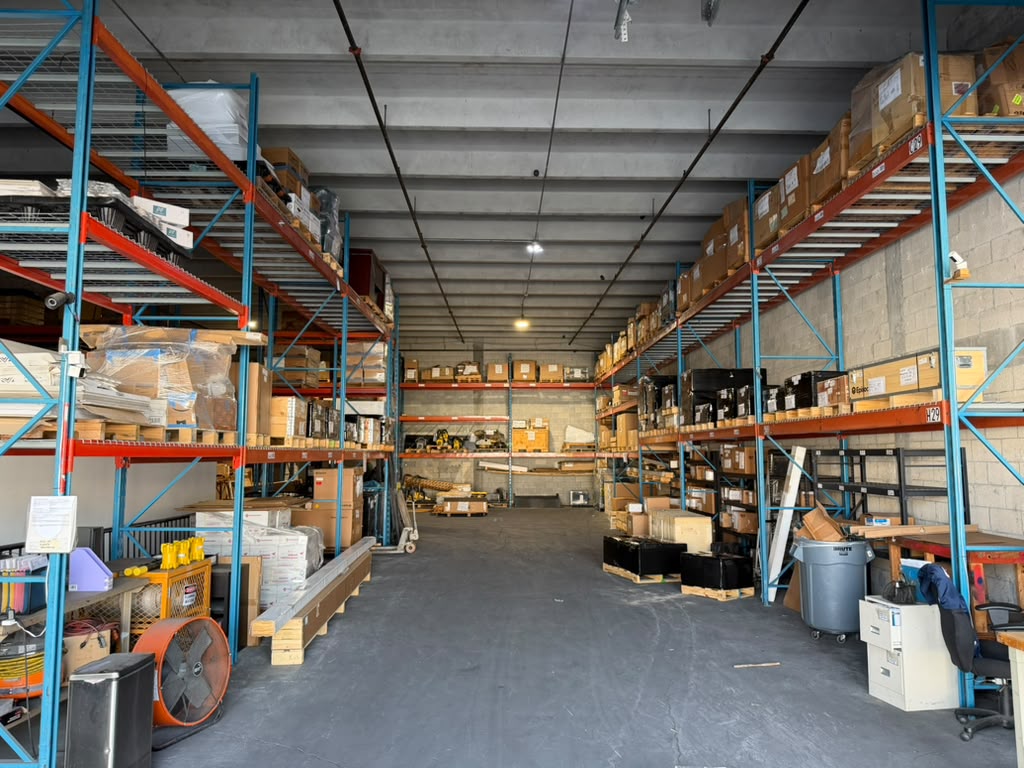
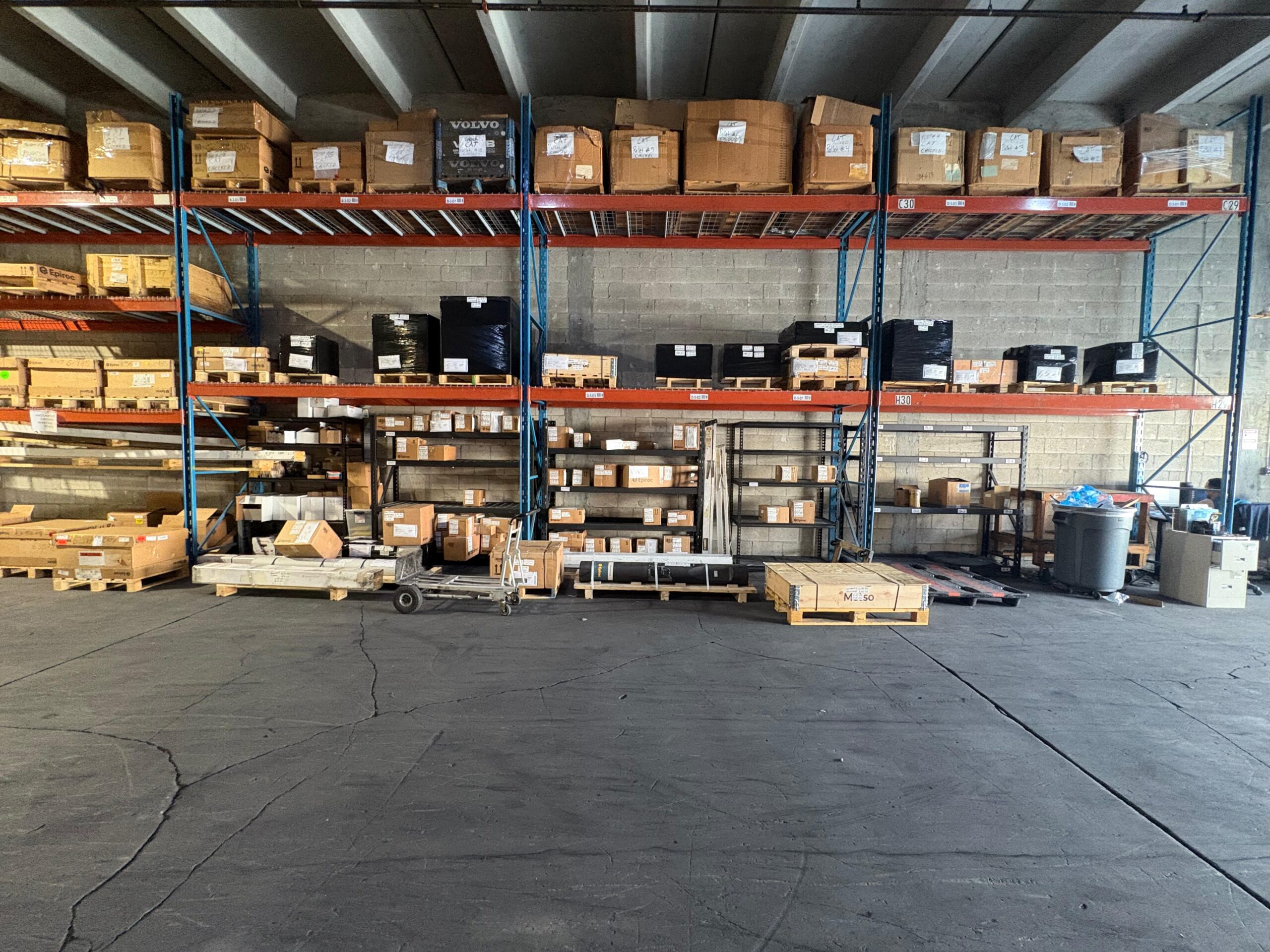
Millennium Machinery supplies heavy equipment inventory for mining, quarrying, construction, and heavy industrial sites across the U.S., Caribbean, and Latin America. The team is based in Miami and operates as an authorized Epiroc and Metso dealer with multi-brand sourcing capability across a wide range of platforms.
Every order goes through technical verification before it ships. The team confirms machine model, serial number, configuration, and application context to reduce the risk of incorrect items reaching the field. For international customers, freight coordination and export documentation are handled in-house, not outsourced to third parties unfamiliar with regional requirements.
Sourcing support includes:
- OEM and quality-verified aftermarket options for mining and heavy industrial equipment
- Wear parts, spare parts, and critical components across multiple equipment brands
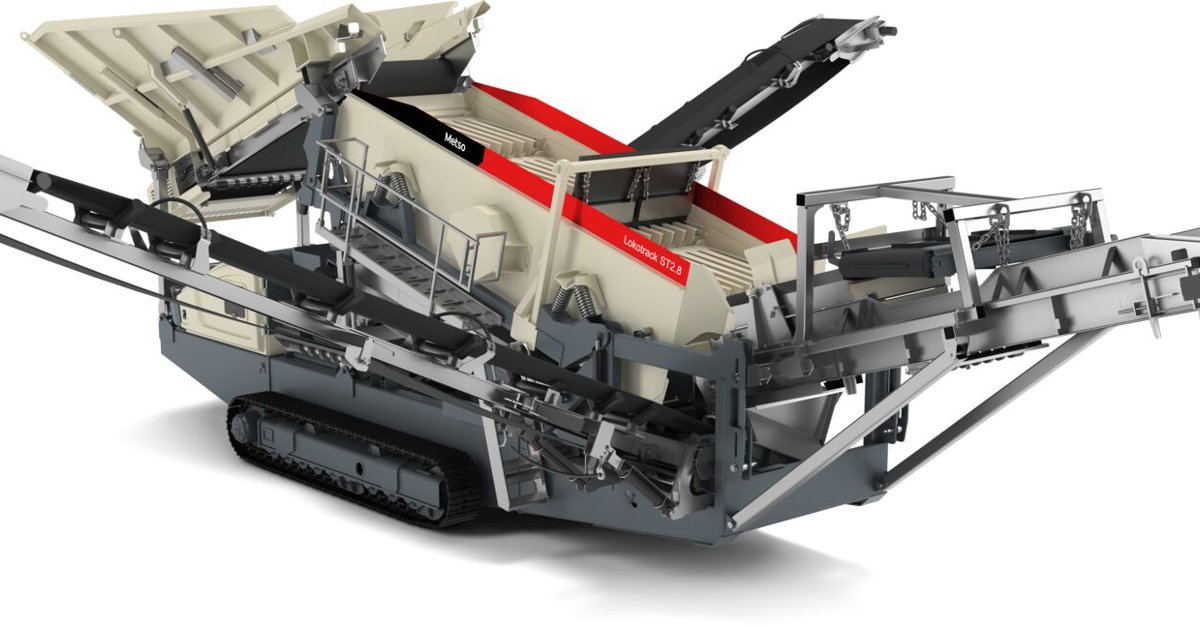
- Authorized Epiroc and Metso inventory for drilling, crushing, and screening applications
- Export documentation and customs coordination for Caribbean and Latin American deliveries
- Technical support to confirm fitment and application compatibility before orders are placed
Quick Answers
Q: What are the hidden costs of choosing the wrong machine parts supplier?
Wrong orders, logistics failures, emergency freight premiums, downtime from availability gaps, repeat failures from substandard components, and idle labor during extended repairs. None appear on a purchase order, but all accumulate faster than any savings on unit price.
Q: How do wrong orders affect mining operations?
A wrong order delays the repair, extends downtime, and often requires emergency procurement at premium rates. If an incorrect item was installed, secondary equipment damage may expand the original repair scope.
Q: What should I look for in a heavy equipment parts supplier in Miami?
Technical knowledge of your equipment brands, application verification before orders ship, established international logistics capability, and a proven track record with mining and heavy industrial customers.
Q: How does Millennium Machinery reduce the risk of wrong orders?
By verifying machine model, serial number, configuration, and application context before confirming every order. Technical review is built into the sourcing process, not offered as an optional service.
Q: Does Millennium Machinery support international parts logistics?
Yes. Millennium Machinery handles export documentation and freight coordination for customers across the Caribbean and Latin America from its Miami base, using established relationships with freight partners experienced in regional requirements.
The Right Supplier Changes Everything
Millennium Machinery supports mining and heavy industrial operations with accurate sourcing, technical verification, and logistics capability built for demanding supply chains.
Contact our team today to discuss your needs and reduce the real cost of sourcing.