


Most mining operations manage their replacement parts suppliers the same way they manage any vendor transaction. Place the order, receive the parts, close the ticket. That approach works until something goes wrong under pressure, and the gaps in a purely transactional relationship become very expensive very quickly.
This post covers what a long-term supply relationship looks like in practice, why it outperforms transactional purchasing for mining operations, and what it takes to build one that holds up when it matters most.
The Difference Between a Transactional Supplier and a Long-Term Partner
What Transactional Purchasing Looks Like in Practice
A transactional relationship focuses on individual orders. Each purchase is treated as a separate event. The provider fills the request, delivers the item, and the interaction ends. There is no accumulated knowledge of your equipment, no context from previous transactions, and no investment in what happens after the part arrives on site.
For low-criticality items with standard lead times and simple fitment, this model is adequate. For replacement parts on production-critical mining equipment, it leaves the operation exposed whenever something urgent arises.
What a Long-Term Supply Relationship Changes
A long-term relationship with a mining spare parts supplier changes the dynamic entirely. The team builds knowledge of your fleet over time, learning your equipment configurations, recognizing your high-frequency failure points, and sourcing accurately for your specific machines without rebuilding context on every request.
That accumulated knowledge reduces order errors, shortens sourcing time, and creates a level of support that a transactional contact cannot provide, because that level of investment was never part of the arrangement.
Why Mining Operations Need More Than a Vendor
Mining operations run equipment in demanding conditions with limited tolerance for downtime. When a critical component fails on a haul truck or a drill rig, the response depends entirely on how quickly the right part can be sourced and delivered. An operation with a well-established partnership has a faster path to resolution than one searching for a capable provider under pressure.
The difference is not just speed. It is the accuracy of the response and what actually gets delivered.
What Mining Replacement Parts Suppliers Need to Know About Your Operation
Equipment Inventory, Configurations, and Serial Numbers
A provider who does not know what equipment you run cannot source accurately for it. Sharing your fleet inventory, including makes, models, serial numbers, and any non-standard configurations, gives a long-term partner the foundation needed to respond correctly under time pressure.
This information does not need to be shared all at once. It builds naturally over the course of regular orders when both parties are committed to the relationship.
Before committing to any long-term relationship, it helps to know exactly what to look for when evaluating a supplier’s true capability. Read our guide on how to evaluate mining replacement parts suppliers before a breakdown happens.
Failure Patterns and High-Risk Components
Every operation has components that fail at predictable intervals or under specific conditions. Sharing that history with your mining spare parts supplier allows them to anticipate demand, flag availability issues before they become urgent, and advise on stocking decisions for the items most likely to create downtime.
A transactional contact has no access to this information and no reason to seek it out. A long-term partner uses it to serve you better on every future request.
Production Schedules and Downtime Tolerance
A provider who understands your production schedule knows which repairs can wait and which cannot. That context changes how they prioritize requests, how they communicate lead time issues, and how aggressively they source alternatives when a standard option is unavailable.
Sharing this operational context is one of the most practical steps a mining operation can take to improve the service it receives.
How Long-Term Relationships Improve Replacement Parts for Mining Equipment
Faster Turnaround Through Established History
When a provider already has your equipment data, preferred specifications, and purchase history on file, sourcing begins immediately rather than after an information-gathering exchange. That saving compounds across every request and becomes significant during urgent situations when hours matter.
Fewer Wrong Orders Through Accumulated Knowledge
Wrong orders in mining operations are not just inconvenient. They extend downtime, require emergency re-sourcing, and often arrive at the worst possible moment. A provider who has filled dozens of requests for your specific equipment has built a working knowledge of what fits, what does not, and where configuration differences create fitment risks.
That knowledge accumulates through consistent engagement and cannot be rebuilt quickly with a new contact.
For a full breakdown of what wrong orders, logistics failures, and poor quality parts actually cost a mining operation, read our guide on the hidden costs of choosing the wrong machine parts supplier.
Priority Access During Supply Constraints
When replacement parts for mining equipment are in short supply across the market, established customers receive better allocation than new ones. A relationship built over months or years creates account standing and goodwill that influences how limited inventory gets distributed.
An operation that only reaches out when something breaks has no standing during a shortage. One that has maintained consistent engagement carries real standing.
How to Structure a Long-Term Supply Relationship That Works
Qualifying the Provider Before Committing
Not every mining replacement parts supplier is capable of supporting a long-term relationship. Before committing, confirm multi-brand sourcing capability, technical knowledge of your equipment types, established logistics for your region, and a track record with similar operations.
A provider who can only fill standard catalog requests will not grow into a strategic partner regardless of how long the engagement continues.
Building a Critical Parts Framework Together
A productive long-term relationship includes a shared understanding of which components carry the highest downtime risk. Work with your provider to identify items with the longest lead times, the highest failure frequency, and the greatest operational impact. Use that list to structure stocking decisions and response protocols before a failure occurs.
Setting Performance Expectations From the Start
Long-term relationships work better when expectations are defined early. Agree on lead time standards, communication protocols, escalation paths for urgent requests, and documentation requirements. A provider willing to operate within a defined framework is signaling commitment to the partnership.
The Signs a Provider Is Operating as a Partner, Not Just a Vendor
Distinguishing a genuine partner from one using partnership language is straightforward in practice. A true partner:
- Flags potential supply issues before you ask about status
- Knows your equipment configurations without being reminded
- Recommends alternatives proactively when a preferred item is unavailable
- Communicates lead time changes before they affect your schedule
- Invests time in understanding your operation, not just your purchase volume
- Treats urgent requests with the same seriousness you do
A transactional contact does none of these things consistently because the interaction ends at the point of delivery.
For more on what reliable sourcing support looks like when equipment is down and lead times matter most, read our guide on sourcing mining replacement parts for sale with fast and dependable support.
How Millennium Machinery Supports Long-Term Supply Relationships in Mining
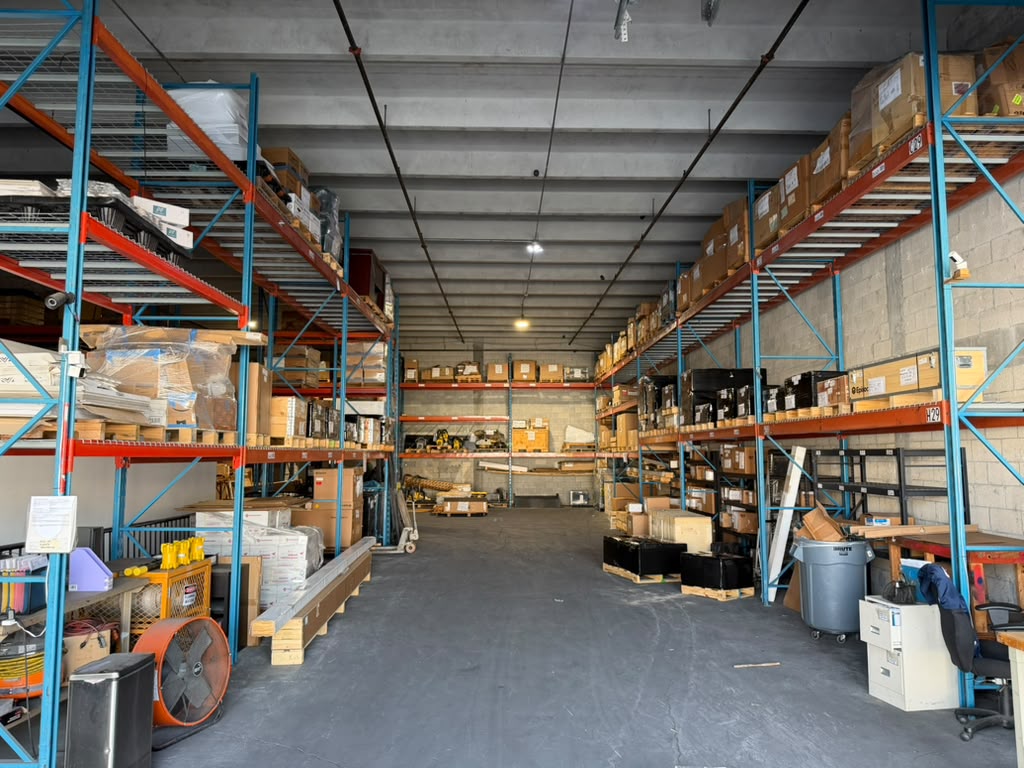
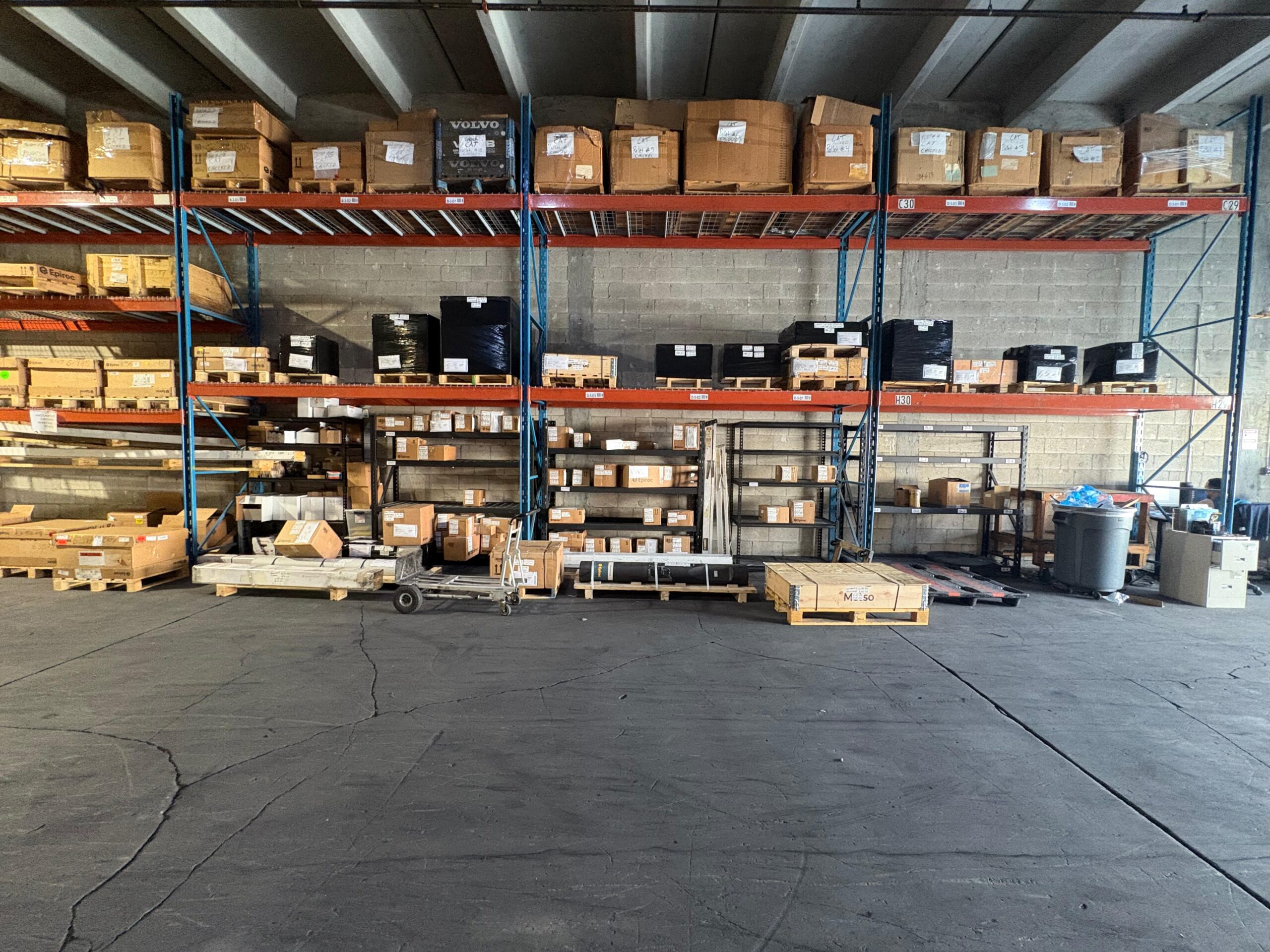
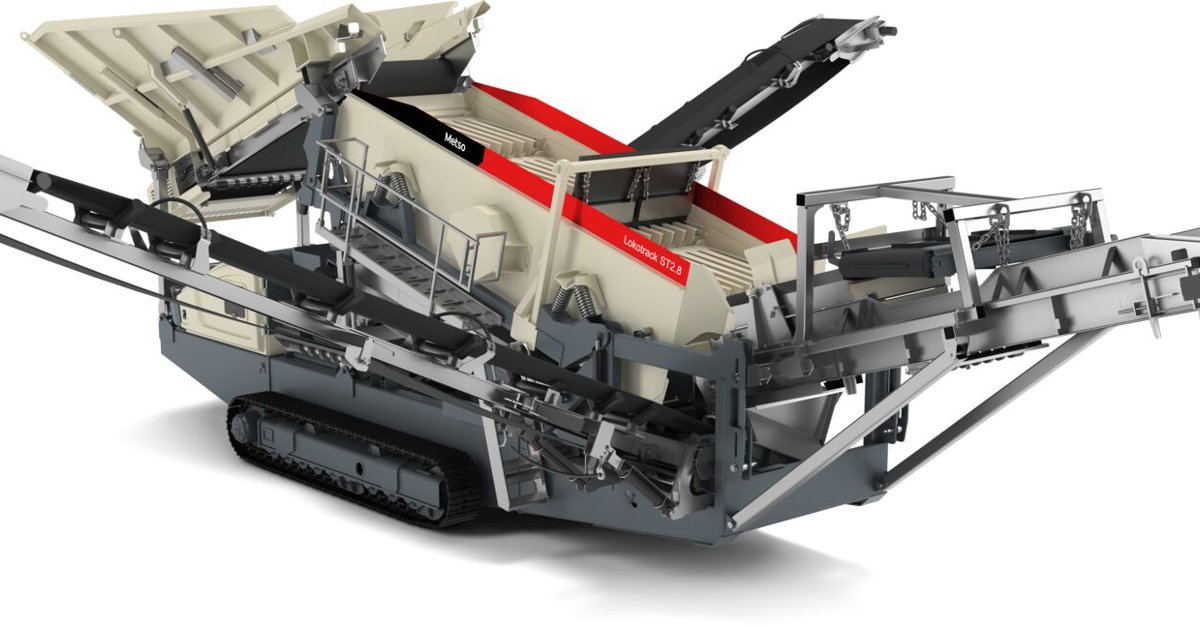
Millennium Machinery provides replacement parts for mining equipment across a wide range of brands and configurations, serving operations in the U.S., Caribbean, and Latin America from its base in Miami. The team operates as an authorized Epiroc and Metso dealer with multi-brand sourcing capability extending well beyond those platforms.
Every order includes technical verification of machine model, serial number, and application context. Over time, that process builds a working knowledge of each customer’s fleet that improves accuracy and reduces sourcing friction on every subsequent request.
For customers managing equipment across multiple sites or brands, Millennium Machinery functions as a single coordination point for sourcing, logistics, and technical confirmation rather than a rotating list of transactional contacts.
Support includes:
- Replacement parts for mining equipment across Epiroc, Metso, Caterpillar, Komatsu, and other platforms
- Wear parts, spare parts, and critical components with technical fitment verification
- Export documentation and freight coordination for Caribbean and Latin American deliveries
- Responsive communication on order status, lead times, and sourcing alternatives
- Technical support to confirm compatibility before orders are confirmed
Quick Answers
Q: What is the difference between a transactional and a long-term mining parts supplier?
A transactional provider fills individual orders with no accumulated knowledge of your operation. A long-term partner builds context over time, sources more accurately, responds faster under pressure, and invests in your uptime rather than just your purchase volume.
Q: How does a long-term relationship with a mining spare parts supplier reduce downtime?
By eliminating the information-gathering delay on every urgent request. A provider who already knows your equipment, failure patterns, and production priorities responds faster and more accurately than one starting without context.
Q: What should I share with a replacement parts supplier to build a stronger relationship?
Fleet inventory with makes, models, and serial numbers, high-frequency failure components, production schedule context, and lead time sensitivities. That information allows a provider to serve you proactively rather than reactively.
Q: How does Millennium Machinery support long-term supply relationships for mining operations?
By building equipment knowledge through consistent technical verification on every order, maintaining multi-brand sourcing capability, and operating as a single coordination point for parts, logistics, and technical support across regional and international markets.
Q: Does Millennium Machinery source replacement parts for all mining equipment brands?
Millennium Machinery sources across a wide range of platforms including Epiroc, Metso, Caterpillar, Komatsu, and others. Contact the team directly to confirm availability for your specific equipment.
Partner Up Before It Breaks
Millennium Machinery supports mining operations with replacement parts sourcing, technical verification, and logistics coordination built for long-term supply partnerships.
Contact our team today to discuss your fleet and start building a relationship that performs when it counts.