


A mining machine does not go down at a convenient time. When it does, the pressure on the maintenance team, the procurement team, and the provider is immediate. Every idle hour carries a cost in lost production, idle labor, and schedule disruption. This post covers what operations actually need from mining replacement components suppliers during a breakdown, and what separates the ones who perform from the ones who disappear under pressure.
What a Breakdown Actually Costs a Mining Operation
The Real Cost of Every Idle Hour
Industry estimates consistently place the cost of unplanned mining equipment downtime between $10,000 and $50,000 per hour depending on operation type and output. That range covers direct costs like idle labor and missed tonnage, but does not fully capture downstream effects on scheduling, contractor coordination, and contract commitments.
How Downtime Cascades Across the Operation
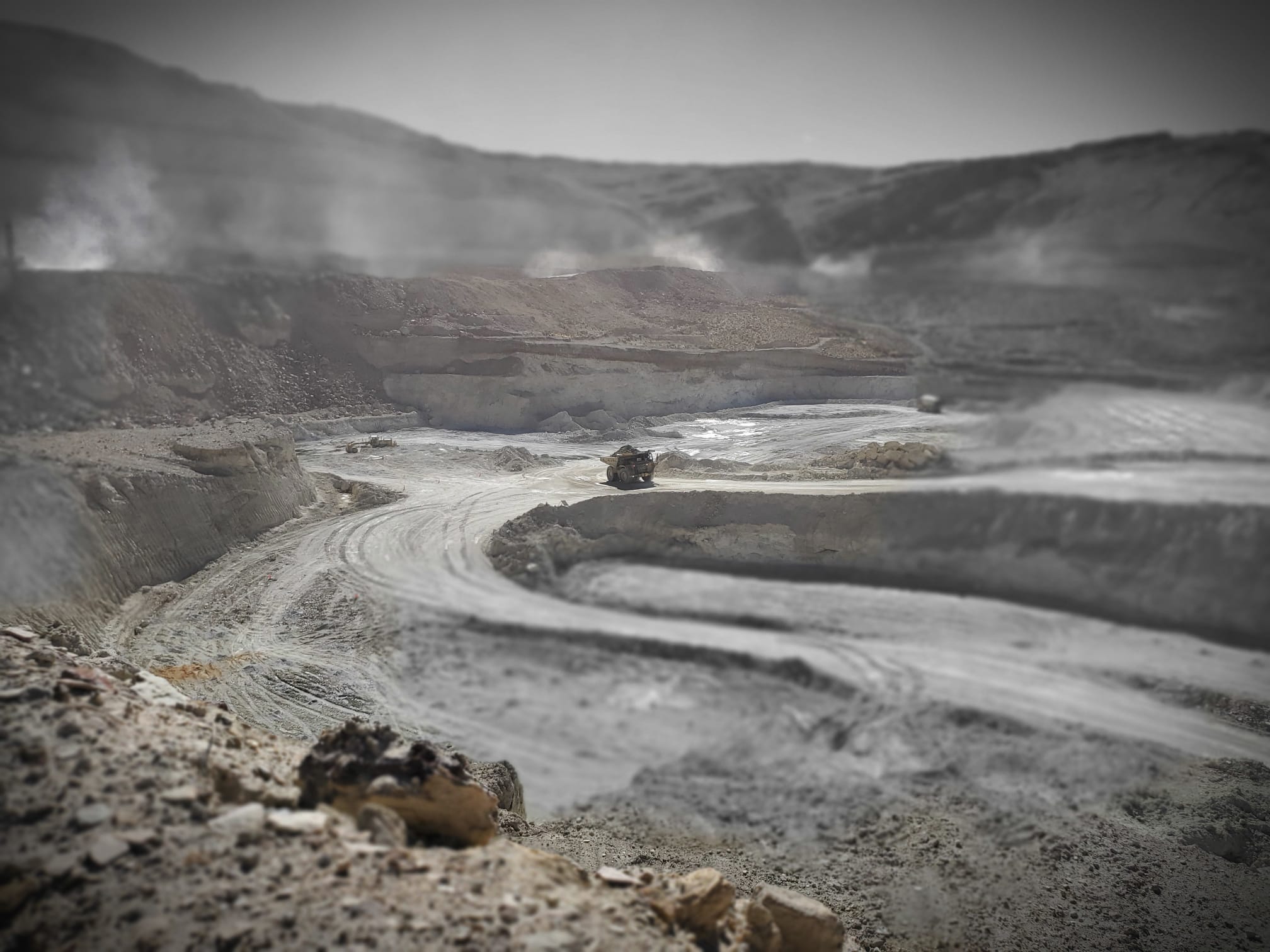
A single failed component on a haul truck does not stop one machine. It disrupts the haulage cycle, reduces crusher feed, creates idle time across the crew, and pushes maintenance schedules into overtime. The longer the machine stays down, the further the disruption spreads. That cascade is why the response window is an operational priority, not a matter of convenience.
Why the Response Window Is Measured in Hours
When equipment fails, the maintenance team needs a confirmed part in transit within hours, not a quote within days. Unclear communication, wrong identification, and logistics delays each extend the downtime window and compound the cost. A provider that cannot operate at the pace of a breakdown is not a breakdown resource regardless of what their catalog looks like.
What Operations Actually Need From Mining Replacement Components Suppliers in a Breakdown
Immediate Response, Not a Callback
The first thing an operation needs when equipment goes down is a live response from someone who can help. Not an automated confirmation, not a ticketing system, not a promise to follow up within 24 hours. A capable provider picks up, asks the right questions immediately, and begins sourcing before the call ends. Response time at the point of contact is the first test a supplier either passes or fails.
Technical Accuracy Before Speed
Speed without accuracy makes downtime worse. A part that ships in four hours and arrives wrong adds two days to a repair that should have taken one. The most valuable thing mining replacement components suppliers can provide under pressure is a technically verified order — confirmed against machine model, serial number, configuration, and application context before it leaves the warehouse.
Inventory Depth That Matches the Urgency
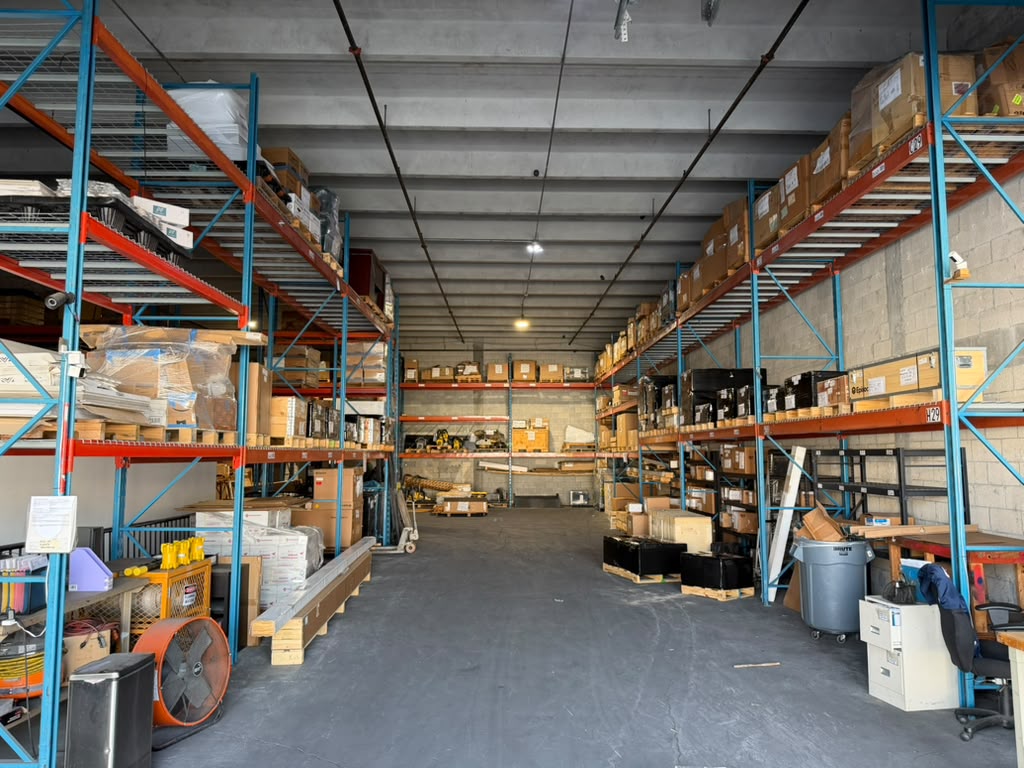
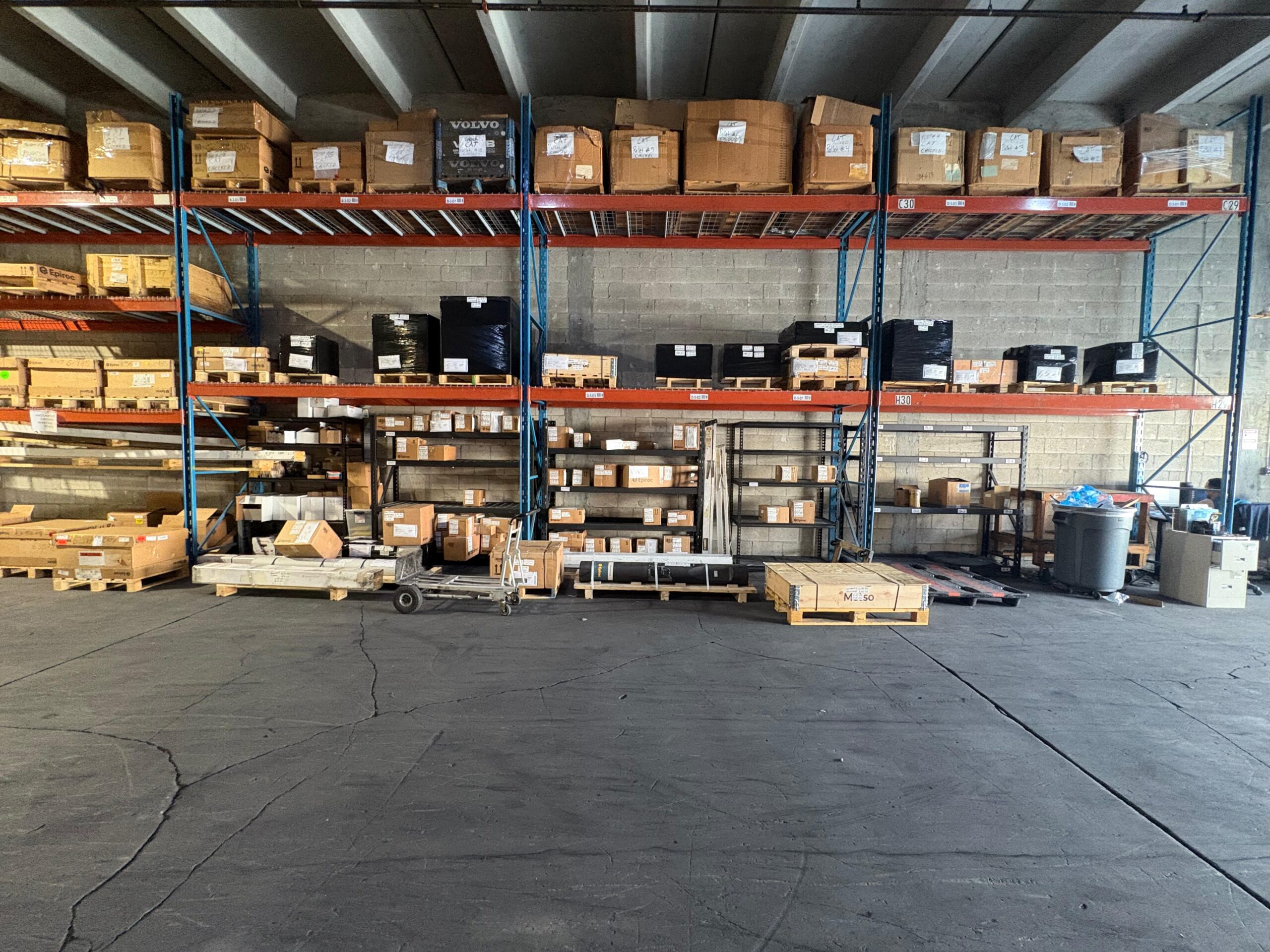
A provider with shallow stock can fill routine orders but struggles when urgent requests require immediate availability. Operations need sourcing partners with real inventory depth across the brands they run — not catalog listings that lead to extended lead times when the order is placed. The right part must be available, not just listable.
Logistics Capability to Move Parts Fast
Sourcing the right part quickly means nothing if it cannot reach the site efficiently. For operations in the Caribbean, Latin America, or remote locations, this means established freight relationships, export documentation experience, and last-mile delivery coordination. Logistics is part of the urgent response, not a separate function.
The Difference Between a Provider Who Performs and One Who Does Not
Equipment Knowledge vs Catalog Knowledge
A catalog-based source can look up a part number. A team with real equipment knowledge catches the difference between two numbers that look identical but are not — different tolerances, different metallurgy, different fitment for a specific machinery generation. That distinction does not show up until the wrong item arrives on site and the machine is still down.
What Communication Looks Like Under Pressure
A provider who performs during a breakdown communicates proactively. They confirm availability before promising delivery. They flag potential delays before those delays affect the timeline. They provide tracking information without being asked. They call back when they say they will. These are not exceptional behaviors — they are the baseline for any source supporting critical operations.
The Role of Pre-Established Relationships
Operations with pre-established provider relationships move faster when equipment goes down. A team that already has machine data on file, knows site requirements, and has confirmed logistics paths does not spend the first critical hour gathering information that should already be in place.
For a full guide on how to build and structure long-term supplier relationships before a breakdown forces the question, read our post on what long-term mining replacement parts supplier relationships actually look like.
The Most Common Supplier Failures During a Breakdown
These are the failure patterns that extend downtime beyond the original repair timeline:
- Wrong mining equipment replacement parts shipped without technical verification
- Logistics promises made without confirmed carrier availability or documentation
- Stock confirmed verbally but not physically available when the order is placed
- No status updates leaving the maintenance team without visibility for hours
- No escalation path when the primary contact is unavailable
Each of these is preventable. Each one adds measurable hours to a repair that already has a cost attached to every minute.
How to Know If Your Heavy Equipment Parts Supplier Can Handle a Breakdown Before One Happens
Questions to Ask During Normal Operations
The time to evaluate a provider is before the machine goes down. Ask directly:
- What is your response process when a customer has an urgent equipment failure?
- Do you carry stock for the brands we operate?
- How do you handle export documentation and freight coordination for our region?
- What information do you need to source a part accurately under time pressure?
- Who is the escalation contact if the primary contact is unavailable?
A provider who cannot answer these clearly during a routine conversation will not perform better when the pressure is real.
How to Evaluate Response Capability
Beyond direct answers, evaluate actual behavior during normal interactions. Does the provider respond quickly to routine inquiries? Do they confirm technical details before processing orders? Do they communicate proactively when lead times change? These patterns predict performance during urgent situations.
For a guide on how proactive parts planning reduces the pressure on urgent sourcing during breakdowns, read our post on how to build a mining equipment parts inventory strategy that protects uptime.
What Pre-Qualification Looks Like in Practice
Pre-qualification means establishing the relationship, sharing machine data, confirming stock coverage, and testing logistics paths before an emergency forces the issue. Operations that complete this work arrive at a breakdown with a partner ready to move — not spending the first critical hours discovering whether their source is actually capable.
For operations managing multiple equipment brands across multiple sites, pre-qualification becomes even more critical. Read our guide on how to simplify parts sourcing across a mixed mining equipment fleet.
What Mining Equipment Replacement Parts Sourcing Looks Like When It Works
When a provider performs correctly, the sequence looks like this:
- Machine model, serial number, and component description are shared at first contact
- Availability is confirmed against real stock, not catalog listings
- Technical details are verified before the order is confirmed
- Logistics are coordinated immediately with a confirmed carrier and timeline
- Tracking information and a realistic delivery window are shared without prompting
- The part arrives correctly, on time, and ready for installation
That sequence requires preparation, technical knowledge, inventory depth, and logistics capability. Providers who have those things execute it reliably. Those who do not create delays at every step.
How Millennium Machinery Supports Mining Operations During Breakdowns
Millennium Machinery supplies mining equipment replacement parts and heavy industrial components for operations across the U.S., Caribbean, and Latin America. Based in Miami, the team operates as an authorized Epiroc and Metso dealer with multi-brand sourcing across Caterpillar, Komatsu, and other major platforms.
Every urgent order goes through technical verification before confirmation. Freight coordination and export documentation are handled in-house using established carrier relationships across regional markets.
Support includes:
- Urgent and standard sourcing for mining equipment replacement parts across multiple brands
- Technical verification before every order to reduce wrong-part risk
- Authorized Epiroc and Metso inventory for drilling, crushing, and screening applications
- Export documentation and freight coordination for Caribbean and Latin American deliveries
- Responsive communication on availability, lead times, and order status
Quick Answers
Q: What should I expect from mining replacement components suppliers during a breakdown?
Immediate response, technical verification before the order ships, confirmed availability, clear logistics coordination, and proactive communication. A provider who cannot deliver all of these is not equipped for urgent mining support.
Q: How do wrong parts make downtime worse?
Re-sourcing under the same time pressure adds hours or days to a repair already costing thousands per hour. Technical verification before the order ships is the only reliable way to prevent it.
Q: What information does a provider need to source mining equipment replacement parts quickly?
Machine model, serial number, component description, and photos of the failed item if available. The more specific the information, the faster and more accurately the provider can confirm and ship the correct replacement.
Q: How do I know if my heavy equipment parts supplier can handle urgent requests?
Ask directly during normal operations. Evaluate response time, technical depth, stock transparency, and logistics capability before a breakdown forces the question. Behavior during routine orders is the most reliable indicator.
Q: Does Millennium Machinery support urgent mining equipment parts requests?
Yes. Millennium Machinery supports urgent sourcing across the U.S., Caribbean, and Latin America with technical verification, established freight coordination, and responsive communication from the first contact. Share your machine details and the team will confirm availability right away.
When It Goes Down, We Move
Millennium Machinery supports mining and heavy industrial operations with accurate parts sourcing, technical verification, and logistics coordination built for urgent supply needs.
Contact our team today with your machine details and let us help you get back to production.