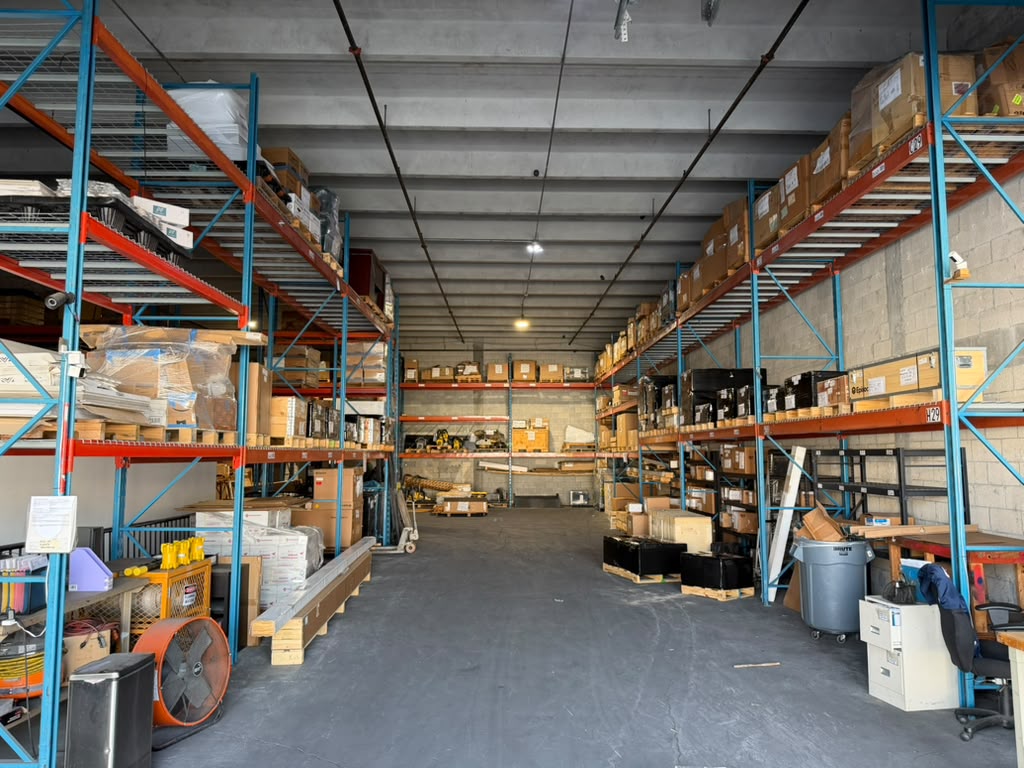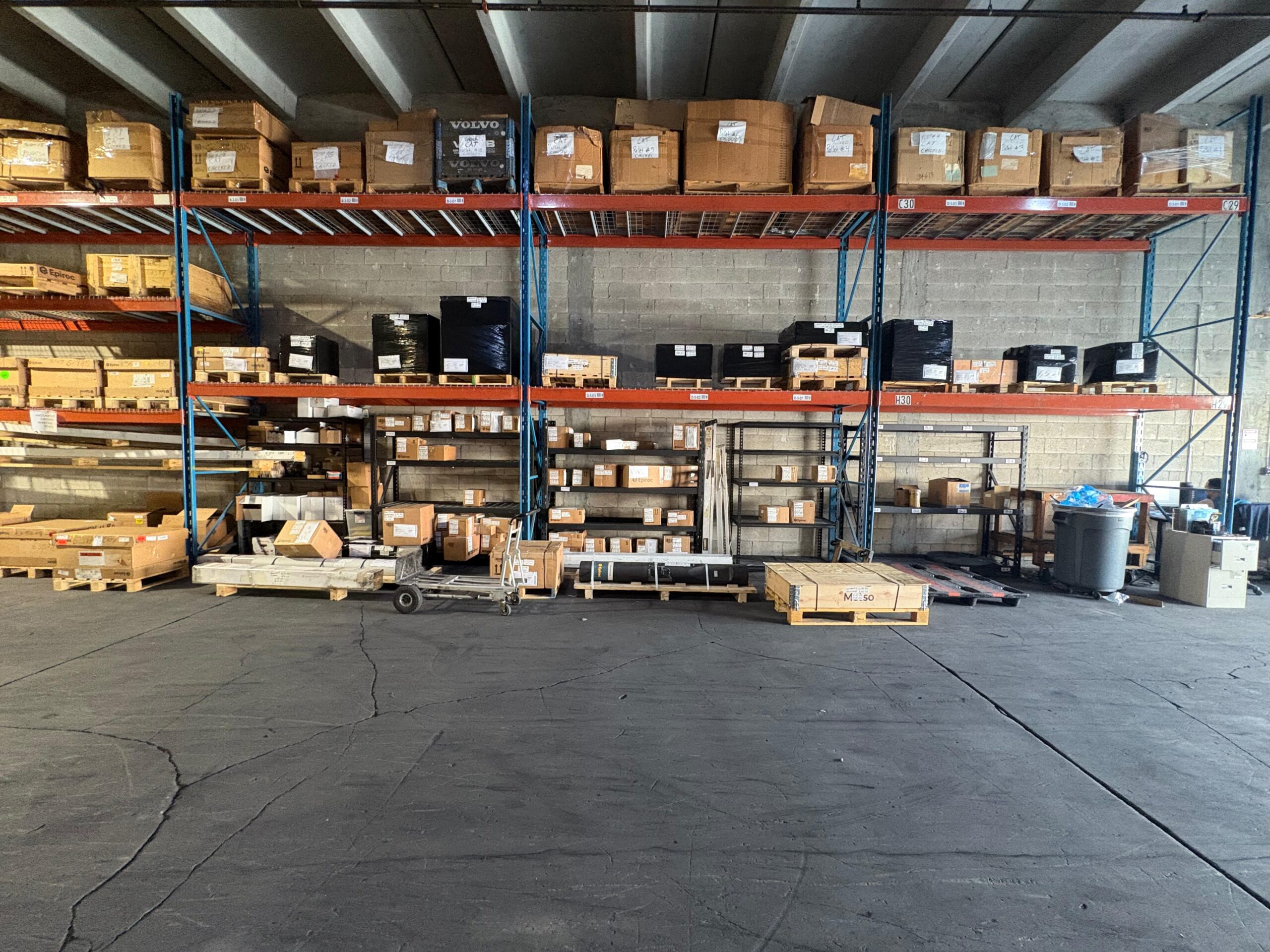



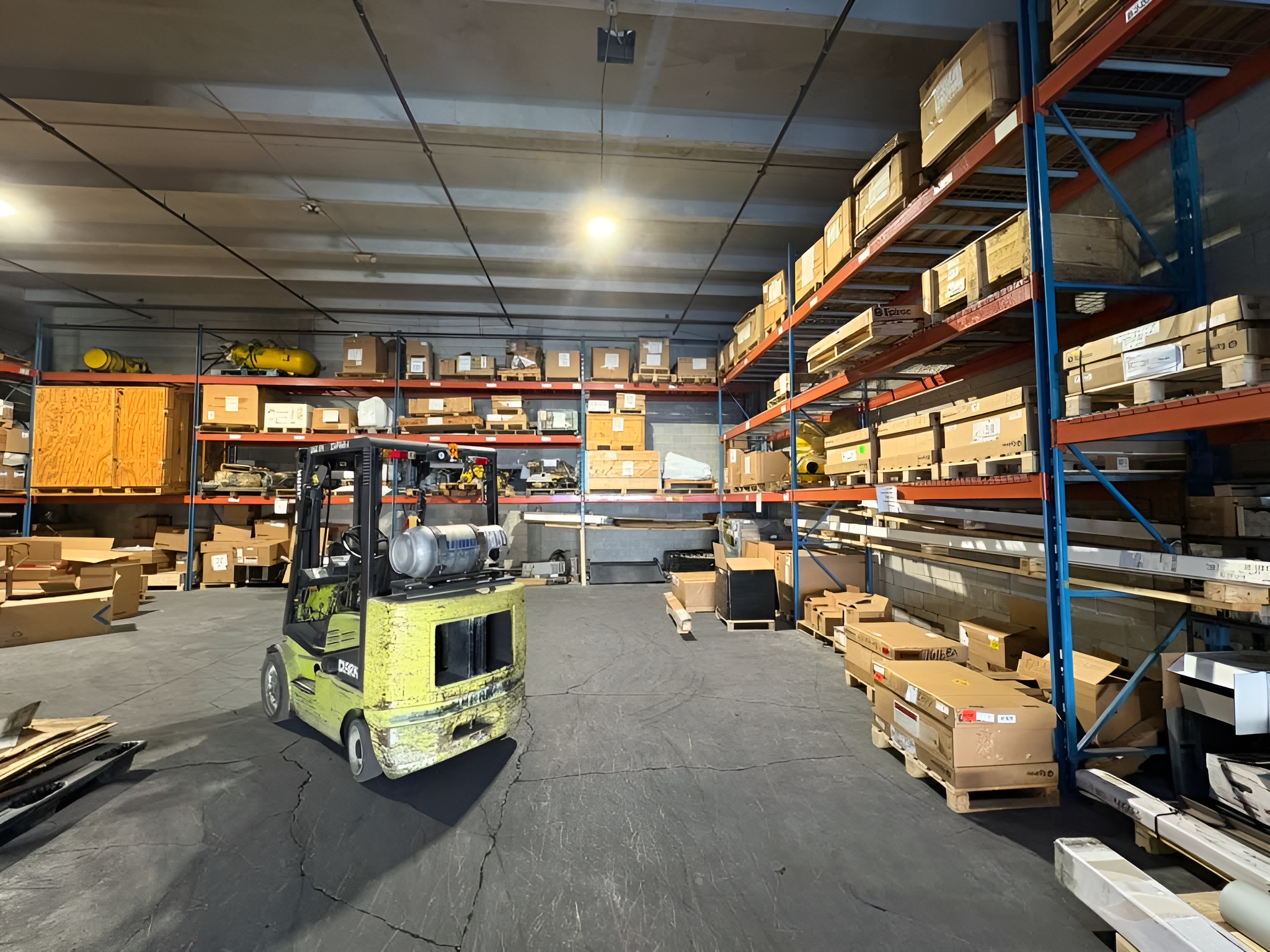
Most mining operations do not run a single equipment brand. They run Caterpillar haul trucks alongside Komatsu excavators, Epiroc drill rigs alongside Metso crushers, and a range of other platforms on different sites and applications. Each manufacturer has its own parts ecosystem, lead times, technical requirements, and sourcing contacts. Managing all of that through separate supplier relationships creates a fragmented supply chain that costs time, money, and uptime.
This post covers how mining teams can simplify procurement on a mixed fleet and what to look for in a mining fleet parts supplier capable of supporting that complexity.
Why Mixed Equipment Fleets Create Parts Sourcing Complexity
Multiple Platforms, Multiple Procurement Paths
A site running five equipment manufacturers has at least five distinct procurement paths — and often more when different locations use different contacts for the same OEM. Each path has its own lead times, documentation requirements, technical specifications, and communication protocols. Coordinating all of that through separate relationships adds administrative weight to each repair and each order.
How Fragmentation Creates Inventory and Logistics Gaps
When procurement is fragmented among multiple providers, inventory visibility suffers. One supplier may have a critical item in stock while another is quoting a six-week lead time for the same application on a different platform. Without a consolidated view, maintenance teams cannot make fast decisions, cannot identify alternative paths, and cannot plan schedules with confidence.
The Hidden Cost of Managing Too Many Relationships
Each supplier relationship requires maintenance. Contacts change, pricing needs updating, quality needs monitoring, and performance needs evaluating. For a site with ten or more equipment manufacturers, managing a separate provider for each creates a coordination burden that pulls resources away from keeping machinery running.
For a full breakdown of the financial and operational consequences of fragmented supplier relationships, read our guide on what the wrong machine parts supplier actually costs your operation.
The Problems That Come With a Fragmented Supply Chain
Inconsistent Lead Times Throughout the Fleet
Different manufacturers have different supply chain structures. Some have regional distribution centers with short lead times. Others rely on centralized international warehousing that adds weeks to any urgent request. When each OEM is managed through a separate path, lead time inconsistencies are difficult to predict and plan around. A maintenance team expecting components in three days and receiving them in three weeks has already lost the planning window.
Wrong Orders From Providers Without Cross-Platform Knowledge
A provider with deep knowledge of one manufacturer but limited familiarity with another will make fitment errors on unfamiliar machinery. Mining equipment fleet parts often have configuration differences spanning generations, regional variants, and application-specific builds that are not obvious from a catalog alone. A supplier managing only part of a site cannot build the cross-platform knowledge needed to catch those differences before an order ships.
Communication Gaps That Slow Repairs
When multiple providers are involved in a single repair event — one for the hydraulic component, another for the wear item, a third for the consumable — communication gaps create delays. Status updates arrive from different contacts at different times. Conflicting lead time information is harder to reconcile. The maintenance team spends more time managing supplier communication than managing the repair itself.
What Consolidation Actually Means for Mining Equipment Fleet Parts
The Difference Between Consolidation and Single-Source Dependency
Consolidating procurement does not mean relying on one provider for everything without a backup plan. It means reducing the number of relationships needed to cover the site by working with a supplier capable of sourcing through multiple manufacturers from a single point of contact. The goal is simplification without creating a new vulnerability.
How a Multi-Platform Supplier Reduces Coordination Burden
A mining fleet parts supplier with genuine multi-brand capability handles the coordination work internally. Instead of the maintenance team managing five separate contacts for five manufacturers, one team handles all five. The provider verifies fitment, confirms availability, coordinates logistics, and communicates status for the entire site. That shift in coordination responsibility has a direct impact on how quickly repairs get resolved.
What Consolidation Does to Order Accuracy and Turnaround
A provider covering the full site builds knowledge of each platform over time. They learn the configuration differences, the common failure points, and the supply paths for each manufacturer. That accumulated knowledge reduces information-gathering time on orders, catches fitment errors before they ship, and shortens the overall cycle — not just for one OEM but throughout the entire fleet.
For a guide on how to build a critical parts framework across multiple equipment brands before failures occur, read our post on how to build a mining equipment parts inventory strategy that protects uptime.
What to Look for in a Mining Fleet Parts Supplier for a Mixed Fleet
Not every supplier with a broad catalog has genuine multi-platform capability. The ones that do share several characteristics:
- Demonstrated sourcing history covering the specific manufacturers on your site, not just general catalog access
- Technical knowledge spanning hydraulic systems, drivetrains, wear components, and structural parts on different platforms
- A single point of contact who can coordinate orders, answer technical questions, and provide status updates covering all manufacturers
- Logistics capability spanning each site and region where the fleet operates
- Documentation standards that work consistently on all orders regardless of platform
- Response quality that does not vary based on which manufacturer is involved
A provider who performs well on one platform but struggles on another is not a fleet supplier. It is a brand-specific source with a broader catalog.
How to Standardize Procurement Without Limiting Options
Building a Critical Parts Framework for the Fleet
Start by identifying the highest-criticality items for each manufacturer — the components with the longest lead times, highest failure rates, and greatest downtime impact. Map those against your current supply paths and identify where gaps exist. That framework becomes the foundation for evaluating whether a potential mining fleet parts supplier can actually cover the site or only part of it.
When building your critical parts framework, understanding which components are strong candidates for remanufacturing can reduce costs significantly. Read our guide on how remanufactured quarry components perform and when they make sense.
Pre-Qualifying a Provider Covering All Platforms
Before committing to a consolidated relationship, test the provider on all manufacturers in the fleet. Place routine orders for each platform, evaluate response accuracy, and confirm that technical verification is applied consistently regardless of OEM. A supplier who performs well on familiar platforms but delays or makes errors on others is not a true fleet-capable provider.
Setting Documentation and Communication Standards
Consolidated procurement works best when documentation and communication standards are agreed on upfront. Define what information is required on each order, what response time expectations are, how status updates are communicated, and what the escalation path is when something goes wrong. A provider willing to operate within those standards signals they are built for fleet-wide support.
Heavy Equipment Parts for Mining Fleets: What Good Sourcing Looks Like in Practice
When a mining fleet parts supplier is performing correctly, the experience is consistent regardless of manufacturer or site location:
- Each order is verified against machine model, serial number, and configuration before confirmation
- Lead time estimates reflect actual stock levels, not catalog availability
- Status updates are provided proactively without the maintenance team needing to follow up
- Fitment errors are caught before shipment, not after delivery
- Logistics are coordinated for the specific site, not a generic shipping address
- Documentation is complete and consistent on each order
That consistency is what distinguishes a fleet-capable supplier from a general parts vendor handling orders one at a time.
How Millennium Machinery Supports Mixed Fleet Parts Sourcing
Millennium Machinery supplies mining equipment fleet parts spanning multiple manufacturers and configurations for customers in the U.S., Caribbean, and Latin America. Based in Miami, the team operates as an authorized Epiroc and Metso dealer with sourcing capability extending to Caterpillar, Komatsu, and other major OEMs used in mining, quarrying, and heavy industrial applications.
Each order goes through technical verification of machine model, serial number, and application context regardless of manufacturer. For customers managing multiple platforms on multiple sites, Millennium Machinery functions as a single coordination point — reducing the number of relationships required without reducing coverage.
Support includes:
- Multi-brand parts sourcing for mining equipment fleets covering Epiroc, Metso, Caterpillar, Komatsu, and other platforms
- Technical verification on each order regardless of manufacturer
- Single-point coordination for fleet-wide parts requests and status updates
- Export documentation and freight coordination for Caribbean and Latin American customers
- Guidance on critical parts frameworks and cross-platform sourcing strategy
Quick Answers
Q: What is a mining fleet parts supplier?
A provider with genuine multi-platform sourcing capability who can cover a customer’s full equipment roster through a single point of contact — verifying fitment, coordinating logistics, and communicating status consistently on all manufacturers and sites.
Q: How does a mixed equipment fleet make procurement more complex?
Each manufacturer has its own parts ecosystem, lead times, technical specifications, and supply paths. Managing those through separate relationships creates coordination burden, inventory gaps, inconsistent lead times, and a higher risk of wrong orders on unfamiliar platforms.
Q: What should I look for in a supplier for heavy equipment parts for mining fleets?
Demonstrated sourcing history covering each manufacturer in your fleet, consistent technical verification regardless of platform, a single coordination point for all orders, logistics capability spanning each site, and communication standards that do not vary by OEM.
Q: How does consolidating procurement reduce downtime?
By reducing coordination time between manufacturers, catching fitment errors before shipment, and giving the maintenance team a single contact to follow up with instead of managing multiple provider relationships during an active repair event.
Q: Does Millennium Machinery supply parts for mixed mining equipment fleets?
Yes. Millennium Machinery supports multi-platform sourcing spanning Epiroc, Metso, Caterpillar, Komatsu, and other OEMs from its Miami base. Contact the team to discuss your fleet and confirm coverage for your equipment.
One Supplier, Every Brand
Millennium Machinery supports mining fleet operations with multi-brand parts sourcing, technical verification, and logistics coordination built for complex and diverse equipment fleets.
Contact our team today to discuss your fleet and simplify your sourcing.