


Mining operations run on tight margins and tighter schedules. When a machine goes down, the pressure to get it running again fast can push buyers toward whatever is available, without a close look at what they are actually getting. Used mining machinery parts can be a smart way to control costs and avoid long lead times, but only when the buyer knows what to check first.
This guide covers what “used” really means, what to inspect before buying, and how to avoid paying for a problem instead of a solution.
Why Operations Consider Used Mining Machinery Parts
The Cost Pressure Behind the Used Parts Market
New components carry a price tag that does not always match the urgency of the situation. Remanufactured options solve some of that, but they are not always available for older or discontinued equipment models, and lead times can stretch longer than an operation can afford to wait. Used parts fill that gap, giving buyers a faster path back to production when a full restoration process is not realistic on the timeline available.
When Used Makes Sense
Buyers typically look at used mining equipment parts for sale in a few common situations:
- A critical machine is down and a new part has a long lead time
- The equipment model is older or discontinued, and OEM stock is limited or no longer manufactured
- Budget constraints on a project make new or remanufactured options impractical
- A one-time repair does not justify the cost of a premium replacement
- A secondary or backup machine needs something working but does not warrant a full investment
None of these situations mean a buyer should lower their standards. They mean the buyer needs a clear process for evaluating what is actually on offer, since urgency is exactly when shortcuts become tempting and expensive.
Used Mining Equipment Parts for Sale: What “Used” Means
Condition Grading: Used vs. Worn
Not all listings labeled “used” describe the same thing, and the difference between categories can be significant. Used parts generally fall into a few grades:
- Lightly used: removed from equipment that was upgraded or retired early, with minimal operating hours and little visible wear
- Moderately worn: functional but showing measurable wear consistent with normal service life, often still well within safe operating range
- Heavily worn: still operational but nearing the end of usable life, typically sold at a steep discount to reflect the shorter remaining service window
Grading matters because it changes how the item should be priced, how soon it may need replacing again, and whether it is suited to continuous heavy duty or better reserved for backup use.
Where Used Parts Come From
Used inventory typically comes from decommissioned machines, fleet upgrades, or salvage and auction sources. Each source carries a different level of documentation and reliability. Something pulled from a well-maintained fleet upgrade, where the equipment was retired for reasons unrelated to failure, is a very different proposition than an item sourced from an auction with no service history attached.
The label “used” tells you almost nothing on its own. The condition grading and the source behind it tell you what you are actually buying, and that context should shape both the price you are willing to pay and the level of inspection you require before committing.
The Buyer’s Checklist Before You Purchase
Match the Identifiers, Not Just the Part Number
A part number alone is not enough to confirm fit. Equipment models go through revisions, and something that worked on one version of a machine may not fit another, even when the listing looks identical at a glance. Before buying, confirm:
- The exact model and serial number of the equipment it came from
- The revision or configuration, if the manufacturer uses one for that model line
- Cross-reference numbers, if the listing uses an aftermarket or third-party identifier instead of the original manufacturer code
Ask the seller directly to confirm these details and provide clear photos showing the identifying labels, stampings, or plates. A seller who cannot produce this information quickly, or who deflects the request, is a signal to slow down, not speed up.
Inspect for Wear and Prior Damage
Fit confirmation is only the first step. Physical condition needs its own review, and that means checking for:
- Wear measurements that fall within documented tolerance limits for that specific item
- Cracking, pitting, or corrosion on load-bearing or pressure-critical surfaces
- Signs of prior repair, including mismatched hardware, filler material, welding that does not match the original construction, or uneven surfaces
- Evidence of improper storage or handling, such as rust in unexpected areas or damage consistent with rough handling during removal
Clean appearance is not the same as sound condition. Surface finish and structural integrity are two different things, and only one of them can be judged by eye alone.
Request Documented Evidence, Not Just a Description
A reputable seller should be able to provide more than a written description. Ask for:
- Dimensional inspection results measured against manufacturer tolerances
- Pressure or crack testing results, where applicable to the type of equipment
- Photographs of the actual piece, not stock images pulled from a catalog
- Any available maintenance or removal history, including why it was taken out of service
If a seller cannot produce this and instead points to general assurances, treat that gap as part of the total cost calculation, not a minor formality. Missing documentation carries hidden risk, and that risk has a price even if it never appears on the invoice. Buyers who skip this step often end up comparing sticker prices instead of comparing real value, and the cheapest option on paper can become the most expensive one after installation, freight, and downtime are added up.
Buying Used Mining Parts vs. Remanufactured
The Core Difference
Used and remanufactured options are often mentioned in the same breath, but they are not the same product. Something used is typically sold in its existing condition, with wear levels that vary and no restoration process behind it. A remanufactured part goes through disassembly, inspection, repair, and testing before it is returned to service, which generally means a more predictable starting point.
Used parts tend to make sense when the budget is tight, the need is immediate, and the buyer has the ability to verify condition closely before committing. Remanufactured parts tend to make sense when reliability and predictable performance matter more than upfront cost, or when the application is critical enough that unknown wear is not an acceptable risk.
If you want to know more about choosing between remanufactured and new components, you can read our guide on the right remanufactured mining equipment parts.
How Millennium Machinery Verifies Used Inventory Before It Ships
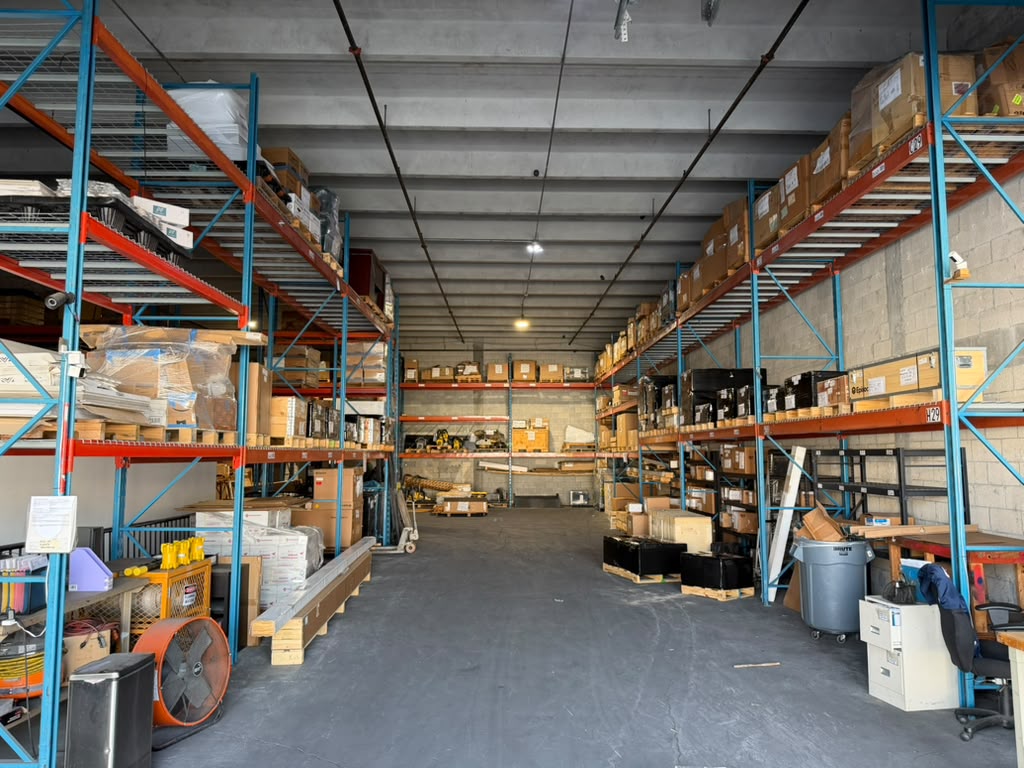
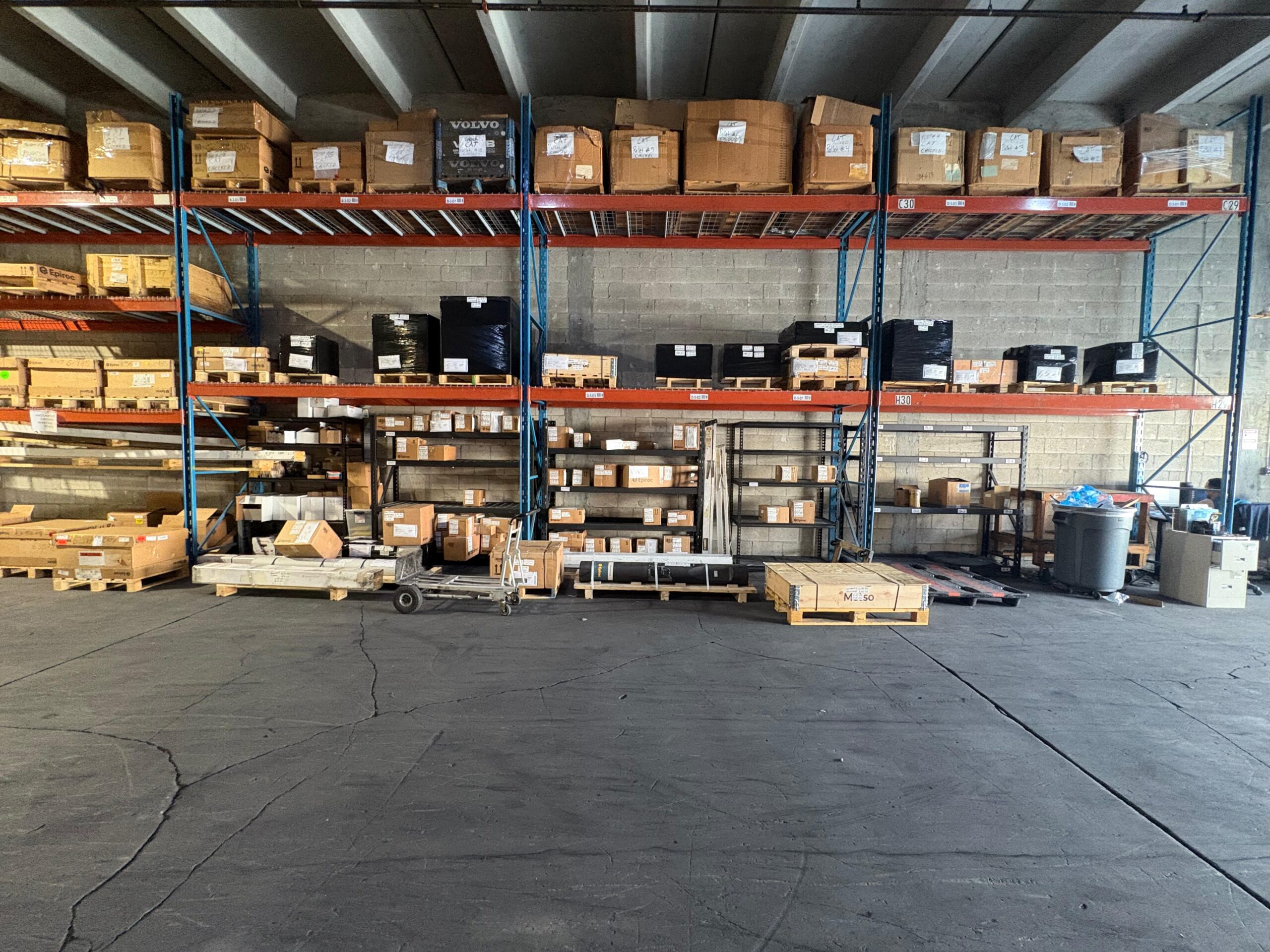
Wherever inventory is sourced, verification should not stop at the listing description. Millennium Machinery, based in Miami, Florida, reviews used stock against serial numbers, part numbers, and application details before it ships, and coordinates freight and export documentation for operations across the United States, the Caribbean, and South America. That verification step, done consistently and before every shipment, is what separates a purchase that solves a problem from one that quietly creates a new one down the line.
Quick Answers
Are used mining machinery parts reliable?
They can be, depending on the source, condition grading, and verification behind the listing. Reliability comes from the inspection process, not from the word “used” itself.
How do I verify a used part will fit my equipment?
Confirm the exact model, serial number, and revision of the source equipment, and request photos of the identifying labels before you commit to a purchase.
What is the difference between used and remanufactured mining parts?
Used items are sold in their existing condition with unknown remaining life. Remanufactured parts go through inspection, repair, and testing to restore performance before resale.
What inspection evidence should a seller provide?
Look for dimensional checks, pressure or crack testing where applicable, and clear photographs of the actual item rather than generic catalog images.
Does Millennium Machinery inspect used parts before shipping them?
Yes. Millennium Machinery reviews serial numbers, part numbers, and application details before used inventory ships from Miami, Florida.
If your operation runs surface mining equipment, you can read our guide on what open-pit operations need.
Verified Parts, Ready When You Need Them
Millennium Machinery sources and verifies used mining machinery parts for operations across the United States, the Caribbean, and South America, backed by inspection before every shipment.
Contact our team today to confirm availability and get the right part into your fleet.