


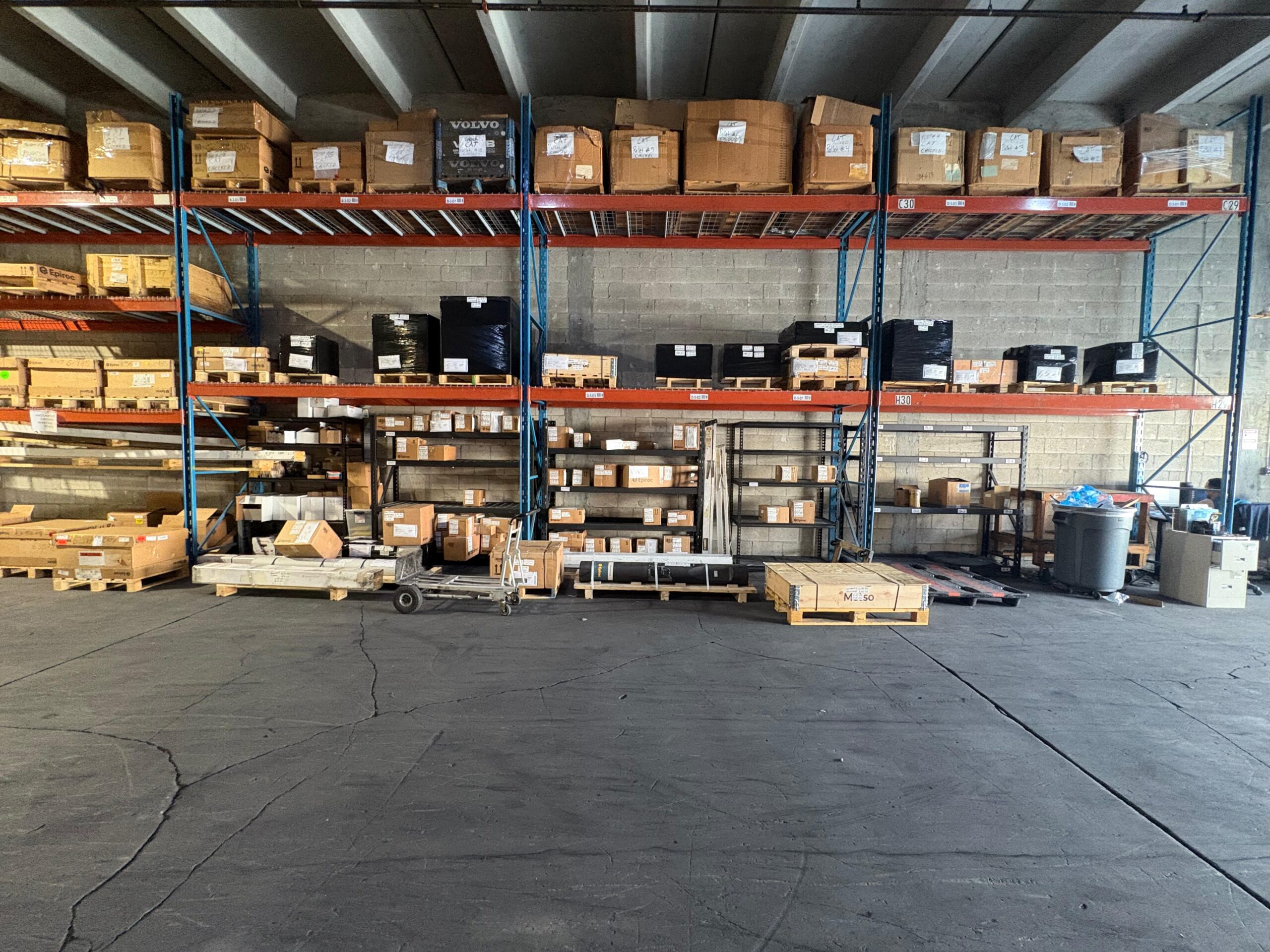
When a machine goes down at a mine or an industrial site, every hour costs money. The part you choose determines how long the repair lasts and whether the machine is back in the shop a few months later.
Some components should always be OEM. Others are well served by a quality aftermarket option that often costs less and ships faster. This guide shows how to tell them apart, using engines, filters, and turbos as examples. Millennium Machinery supplies both options to mining and heavy industrial operations worldwide and helps each customer choose the right one for the job.
Replacement Parts for Industrial Machines: What Separates OEM from Aftermarket
What OEM Parts Are
OEM parts are made to the machine builder’s specifications and sold with the builder’s backing. They match the original design, which makes them the safest choice when exact fit and performance matter.
What Aftermarket Parts Are
Aftermarket parts are made by independent manufacturers to fit the same machines. Quality ranges from excellent to poor, so the brand and the supplier behind the product matter as much as the price.
Why the Choice Affects Uptime and Total Cost
A lower price means little if the component fails early. Compare options by cost per operating hour, which accounts for labor, downtime, and the risk of a repeat repair.
OEM vs Aftermarket Replacement Parts: How to Decide
The OEM vs aftermarket replacement parts decision comes down to risk, cost, and support. Start with what the component does.
When OEM Is the Right Call
Choose OEM when:
- The equipment is still under warranty
- The component is safety-critical
- Tolerances are tight and the design is proprietary
- A contract or compliance rule requires it
- No trusted aftermarket option exists for that component
When a Quality Aftermarket Part Is Fine
A quality aftermarket part makes sense when:
- It is a routine service or wear item
- The equipment is past warranty
- The fleet is large and cost per hour drives decisions
- The manufacturer is proven and the supplier backs it
- The OEM lead time would keep the equipment idle
Factors to Weigh Before You Buy
Five questions usually settle the choice:
- How critical is the component to safe operation?
- How old is the machine, and is it under warranty?
- How hard does the machine work?
- How long is the wait for each option?
- Who stands behind the product if it fails?
A Quick Decision Checklist
- The failure would create a safety risk: choose OEM.
- A warranty or contract requires OEM: choose OEM.
- The item is routine and the equipment is out of warranty: a quality aftermarket part is usually fine.
- You are unsure: ask your supplier to explain the difference in writing.
If you want to learn more about the range we supply, check out our guide on spare parts for mining and heavy industrial equipment.
Engine Parts: Where to Hold the Line and Where to Save
Components Where Specification Matters Most
Anything that controls combustion, lubrication, or internal clearances leaves little room for error. Small differences in material, finish, or dimensions show up as lost power, oil consumption, or early wear. Check the specification and fit before you look at price.
Quality Aftermarket Engine Parts
Aftermarket engine parts can be a sound choice, especially for older machines and high-volume fleets. Millennium Machinery supplies aftermarket engine parts from IPD and Maxiforce, so customers have an established option alongside OEM.
Matching Parts to Engine Model and Serial Number
Engine specifications can change within a single model run. Before you order, confirm:
- Engine make, model, and serial number
- The part number on the component being replaced
- Any recent rebuilds or modifications
Aftermarket Turbos and Filters: What to Look For
Aftermarket turbos and filters are common swaps, and the quality gap between brands is wide.
Choosing Aftermarket Turbos
A turbo must match the engine’s airflow and boost requirements, so confirm the specification as well as the physical fit. When a turbo fails, find out why before installing a replacement. Oil starvation, contaminated oil, and intake leaks can damage a new turbo just as quickly.
Choosing Aftermarket Filters
Dirt is a major cause of engine wear, so filter quality protects everything downstream. Match the filter to the service interval and the operating environment. A dusty mine site asks far more of a filter than a clean workshop does.
Quality Markers That Separate Good from Bad
Look for:
- Clear part numbers and cross-references
- Published specifications or test data
- A written warranty
- Traceability to the manufacturer
- A supplier who answers technical questions
Choosing a Supplier for Replacement Parts That Fit the First Time
Reliable replacement parts for industrial machines start with a supplier who checks before shipping.
Questions to Ask Before You Order
- Do they verify fit against your machine?
- Can they supply both OEM and aftermarket options?
- What warranty comes with each?
- How fast can they ship, and where?
- Will they help if it does not fit?
Why a Wrong Part Costs More Than the Price Difference
A cheaper option stops saving money once the wrong component arrives. Freight, an idle machine, and a second order add up quickly.
If you want to learn more about how a wrong order adds up, check out our guide on what a wrong-part order really costs.
Millennium Machinery: OEM and Aftermarket Options from One Source
Millennium Machinery gives mining and heavy industrial operations one source for:
- OEM parts through its Metso Aggregates and Epiroc partnerships
- Aftermarket engine parts from IPD and Maxiforce
- Technical support to confirm fit before shipping
- Lifecycle services and engineering support
- Shipping from Miami to sites worldwide
Quick Answers
What is the difference between OEM and aftermarket replacement parts?
OEM parts are made to the machine builder’s specifications. Aftermarket parts come from independent manufacturers, and their quality varies by brand.
Are aftermarket turbos and filters reliable?
Yes, when they come from a proven manufacturer and match the specification. Poor-quality units often fail early, so the brand and the supplier matter.
When should I insist on OEM parts?
For safety-critical components, for machines under warranty, and for any job where a contract requires it.
Can aftermarket parts affect my warranty?
It depends on your warranty terms. Read the agreement or ask the manufacturer before fitting aftermarket parts to a machine under warranty.
What does a supplier need to confirm the right part?
The machine make, model, and serial number, the part number on the old component or a photo of it, and the operating conditions.
Get the Right Part, Not Just a Part
Whether the job calls for OEM or a trusted aftermarket option, Millennium Machinery helps operations worldwide find the component that fits and get the machine back to work. Send us the machine model, the serial number, and the component you need. Contact us today