


Mining and quarrying equipment represents a significant investment. Whether an operation needs an excavator, drill rig, crusher, or other heavy machinery, the decision to lease or buy can affect cash flow, operating costs, and long-term profitability.
Mining equipment leasing generally makes more sense when a business needs to preserve upfront capital, meet a defined project requirement, or maintain flexibility. Buying may offer better long-term value when equipment will be used consistently for several years and the company can manage ownership costs.
However, the lowest monthly payment does not necessarily represent the lowest total cost.
To make an informed decision, mining operators must compare equipment utilization, maintenance responsibilities, lease terms, asset value, and the expected duration of use.
What Is Mining Equipment Leasing?
Mining equipment leasing is an arrangement that allows a business to use machinery for an agreed period in exchange for scheduled payments.
Depending on the lease agreement, the equipment may be returned at the end of the term, purchased under an available purchase option, or replaced through another arrangement.
Lease terms vary by provider, equipment category, and the financial structure of the agreement.
Businesses may consider heavy equipment leasing when they need machinery but prefer not to make a large upfront purchase.
Common equipment categories include:
- Excavators and earthmoving equipment
- Surface drill rigs
- Mobile crushing equipment
- Screening machinery
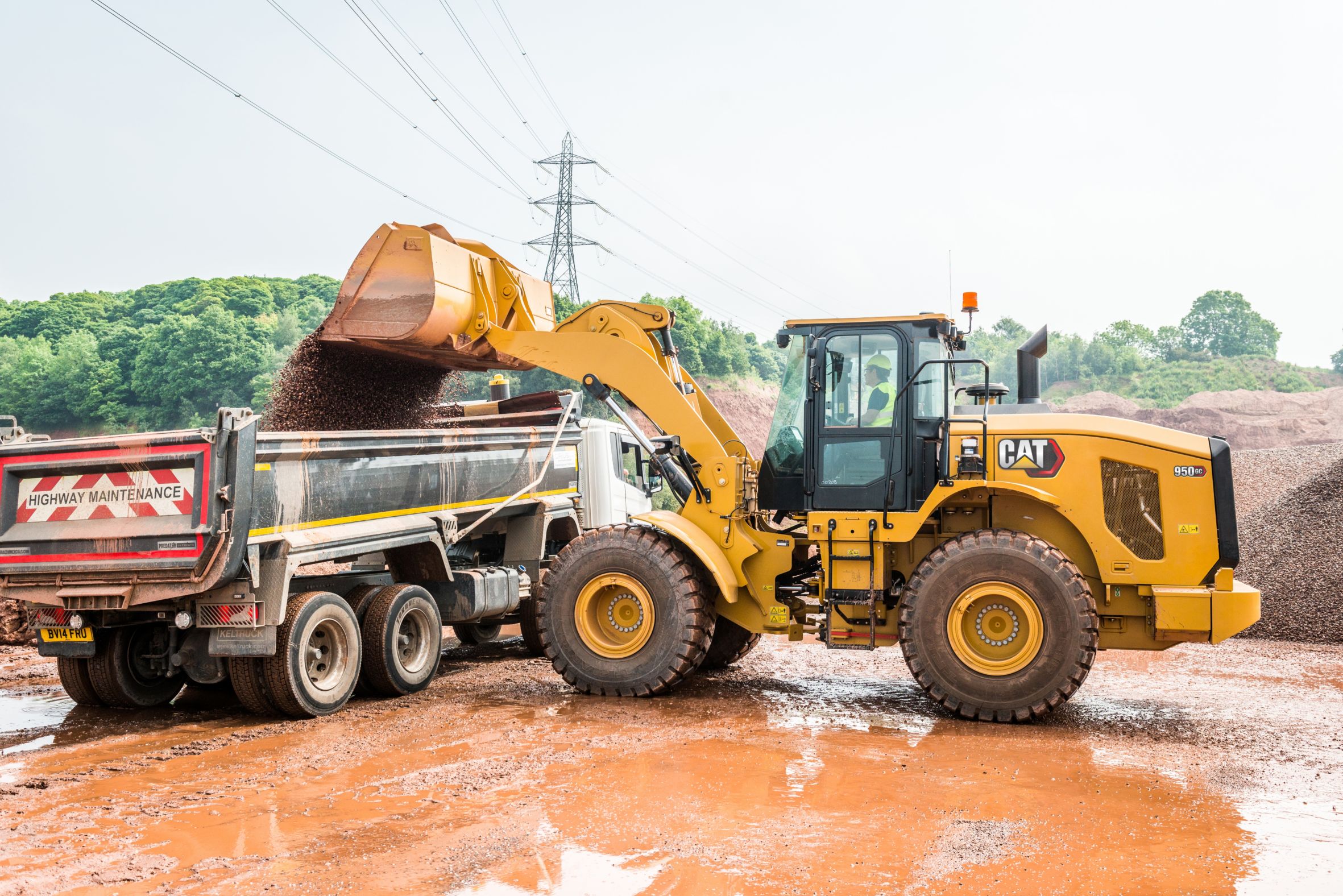
- Wheel loaders
- Material handling equipment
Availability and lease structures depend on the supplier and specific machine.
MMPAS offers mining and construction machinery sales and leasing to help businesses evaluate equipment sourcing options.
Mining Equipment Leasing vs. Buying: Key Differences
Understanding the financial and operational differences is essential before signing an agreement.
| Factor | Leasing | Buying |
|---|---|---|
| Upfront investment | Often lower, depending on terms | Usually higher |
| Equipment ownership | Usually remains with lessor until any purchase option is exercised | Buyer owns the asset, subject to financing liens |
| Cash flow | Scheduled lease payments | Purchase price or loan payments |
| Long-term value | Depends on lease structure and term | Potential residual or resale value |
| Maintenance | Depends on contract | Generally owner’s responsibility |
| Equipment flexibility | May provide easier replacement at term end | Requires selling or reallocating owned machinery |
| Usage restrictions | May have limits or return conditions | Generally more operational control |
| Best suited for | Defined projects or changing equipment requirements | Long-term, consistent use |
Neither option is automatically cheaper.
The best choice depends on the complete financial and operating picture.
When Does Leasing Mining Equipment Make Sense?
1. When You Want to Preserve Working Capital
Purchasing heavy equipment can tie up money that a business might otherwise use for payroll, fuel, materials, or maintenance.
Leasing may reduce the initial financial commitment, allowing an operation to retain more cash for day-to-day needs.
This can be useful for growing contractors or mining operations managing several projects simultaneously.
However, businesses should also account for deposits, advance payments, fees, and other lease requirements.
2. When Equipment Is Needed for a Specific Project
Some projects require machinery that will not be used regularly afterward.
For example, a quarry contractor may need an additional crusher for a defined production contract.
Purchasing a machine for a short-term requirement can create the risk of having an expensive asset sitting idle once the project ends.
A suitable lease or mining equipment rental arrangement may provide better flexibility.
3. When Equipment Requirements Change Frequently
Mining operations may need different capacities, configurations, or equipment types as production requirements evolve.
Leasing can offer a way to review machinery requirements at the end of the agreement without immediately committing to long-term ownership.
Any flexibility depends on the actual contract terms, including early termination and equipment exchange provisions.
4. When Predictable Payments Support Budgeting
Scheduled leasing payments may simplify some aspects of financial planning.
However, operators must confirm whether maintenance, transportation, insurance, taxes, and operating expenses are included.
Two lease proposals with similar monthly payments can have very different total costs.
When Is Buying Mining Equipment the Better Choice?
1. When Equipment Has High Utilization
Buying can be financially attractive when machinery is used consistently for many years.
Equipment with predictable demand may generate enough productive operating hours to justify ownership.
For example, a quarry using the same primary crusher throughout the year may benefit from buying rather than repeatedly entering short-term arrangements.
2. When You Want Long-Term Asset Value
Owned equipment may retain resale value, depending on its age, condition, operating hours, and market demand.
That value can help offset the original purchase cost when the equipment is eventually sold.
However, resale value is not guaranteed.
Maintenance history and equipment condition can materially influence the price a buyer is willing to pay.
3. When Operational Control Matters
Ownership can provide greater freedom to modify equipment, determine service schedules, and retain machinery beyond a contractual term.
Certain leasing agreements restrict modifications, operating hours, or usage conditions.
For operations requiring specialized equipment configurations, owning may offer greater flexibility.
4. When Long-Term Costs Favor Ownership
If the expected productive life of equipment extends well beyond the available lease term, buying may produce a lower total cost.
This is especially relevant when the machine remains reliable and has manageable repair expenses.
Before purchasing, operators should evaluate both the purchase price and the long-term costs of maintenance, parts, and downtime.
For equipment sourcing decisions, MMPAS also provides guidance in its mining machinery supplier comparison.
How to Compare the Total Cost of Leasing vs. Buying
Monthly payment comparisons alone can be misleading.
A better approach is to calculate the estimated total economic cost of each option over the same period.
Leasing Cost Factors
Consider:
- Initial deposits and upfront fees
- Scheduled lease payments
- Maintenance expenses not included in the agreement
- Insurance and transportation
- Excess-usage or return-condition charges
- Purchase-option costs, if applicable
Buying Cost Factors
Consider:
- Equipment purchase price
- Financing interest, if applicable
- Insurance and transportation
- Preventive maintenance
- Repair and replacement parts
- Expected resale value
- Cost of capital tied up in the purchase
When comparing the options, use a consistent time horizon and account for the timing of cash flows. A discounted cash flow or net present value comparison is often more useful than simply adding payments.
Illustrative Mining Equipment Cost Comparison
Suppose a business needs a machine for four years.
| Cost element | Leasing | Buying |
|---|---|---|
| Initial purchase cost | $0 | $300,000 |
| Payments over four years | $240,000 | $0 |
| Maintenance | $24,000 | $40,000 |
| Estimated resale proceeds | $0 | −$140,000 |
| Estimated net cost | $264,000 | $200,000 |
In this simplified example, buying costs $64,000 less over four years.
However, these are hypothetical figures, not MMPAS prices or actual market quotations. They exclude financing costs, the time value of money, taxes, insurance, transportation, and differences in downtime. The example assumes the business buys the machine outright and sells it at the end of year four.
A different utilization pattern, resale value, or lease structure could reverse the outcome.
Why Maintenance and Downtime Matter in Equipment Ownership
Equipment costs continue after the purchase or lease agreement is signed.
Mining machinery works in demanding environments where abrasive materials, vibration, heavy loads, and intensive operating schedules affect component life.
Unexpected repairs can influence the profitability of either option.
Before choosing equipment, ask:
- How frequently will the machine operate?
- What maintenance does the manufacturer recommend?
- Who is responsible for major repairs?
- Are replacement parts readily available?
- What happens when the machine is unavailable?
- Does the agreement include technical support?
MMPAS provides equipment repair services and maintenance and technical support for mining and construction applications.
Understanding these requirements before committing can help prevent expensive operational surprises.
How to Choose Between Leasing and Buying
A practical decision starts with the operation’s actual requirements.
Step 1: Estimate Equipment Utilization
Calculate the expected operating hours over the project or ownership period.
Low or uncertain utilization may favor a flexible arrangement, while sustained high utilization can strengthen the business case for buying.
Step 2: Define the Equipment Requirement
Consider capacity, material type, location, mobility, and project duration.
For example, a mobile crusher required at several temporary locations may have different ownership economics than a stationary machine installed at a permanent quarry.
Review relevant machinery options through MMPAS’s Metso aggregates equipment solutions.
Step 3: Evaluate Available Cash and Financing
Determine whether purchasing equipment would restrict other necessary business investments.
For a separate comparison of borrowing and leasing arrangements, read Heavy Equipment Financing vs. Leasing: Which Is Better for Your Operation?.
Step 4: Compare Full Lifecycle Costs
Build a cost model that includes acquisition, operation, maintenance, financing, and residual value.
If equipment productivity differs between options, calculate cost per productive hour or cost per ton rather than relying solely on the total payment amount.
Step 5: Review Supplier Support
Reliable equipment support is an important part of ownership and leasing decisions.
Before selecting a supplier, confirm the availability of appropriate parts and repair assistance.
MMPAS also explains how to evaluate suppliers in its mining replacement parts supplier guide.
Comparing Mining Equipment Options?
The right equipment arrangement should support your production needs, cash flow, and operating budget.
Request Mining Equipment Sales & Leasing Information
Contact MMPAS to discuss machinery requirements and available sourcing options.
Common Mistakes When Comparing Mining Equipment Leasing and Buying
Comparing Only Monthly Payments
Lower payments do not always mean a lower total cost. Include fees, maintenance responsibilities, and end-of-term expenses.
Ignoring Equipment Utilization
Purchasing machinery that remains idle for long periods can increase the effective cost per productive hour.
Overestimating Resale Value
Used equipment values depend on market conditions, machine age, operating hours, and maintenance history.
Use conservative estimates when preparing a purchase model.
Overlooking Service and Parts Costs
A machine that requires difficult-to-source components can create downtime regardless of how it was acquired.
Reviewing a supplier’s spare and wear parts capabilities can help clarify maintenance support before making a decision.
Failing to Review Lease Restrictions
Some agreements include operating-hour limits, equipment return conditions, modification restrictions, or termination charges.
These obligations should be evaluated before signing.
Frequently Asked Questions About Mining Equipment Leasing
Is it cheaper to lease or buy mining equipment?
It depends on utilization, equipment price, lease terms, maintenance costs, and expected resale value. Leasing may reduce upfront costs, while buying may be more economical for machinery used consistently over many years.
What are the benefits of leasing mining equipment?
Potential benefits include lower initial capital requirements, scheduled payments, and flexibility at the end of the lease term. The advantages depend on the specific agreement.
Can you lease heavy mining equipment for short-term projects?
Some suppliers offer short-term leases or rental arrangements, while others focus on longer contracts. Availability depends on equipment type, location, and supplier terms.
What is the difference between renting and leasing mining equipment?
Rentals are often structured for shorter or more flexible usage periods, while leases commonly involve longer contractual commitments. Actual terms vary by provider.
Is buying used mining equipment better than leasing new equipment?
It can be, particularly when a used machine is in good condition and will have high utilization. Buyers must account for inspection results, repair exposure, and expected remaining equipment life.
Does mining equipment leasing include maintenance?
Not necessarily. Some agreements include servicing provisions, while others assign maintenance responsibilities to the lessee. Confirm the coverage in writing.
How do mining companies calculate equipment ownership costs?
They evaluate purchase price, financing costs, maintenance, operating expenses, expected service life, residual value, and productive utilization. Cost per operating hour or per ton can provide a useful comparison.
Find the Right Mining Equipment Solution With MMPAS
Choosing between mining equipment leasing and buying requires more than comparing price tags.
Operations should evaluate equipment utilization, financial flexibility, maintenance requirements, and long-term productivity.
Millennium Machinery Parts & Service supports mining, quarrying, and construction businesses with equipment sourcing, machinery sales and leasing, replacement parts, and technical services.
Whether you are expanding your fleet or sourcing equipment for an upcoming project, MMPAS can help you explore the available options.