


A set of liners that wears out months early, or wears on one side only, is rarely bad luck. More often the part was never right for the rock, the crusher, or the way the plant runs.
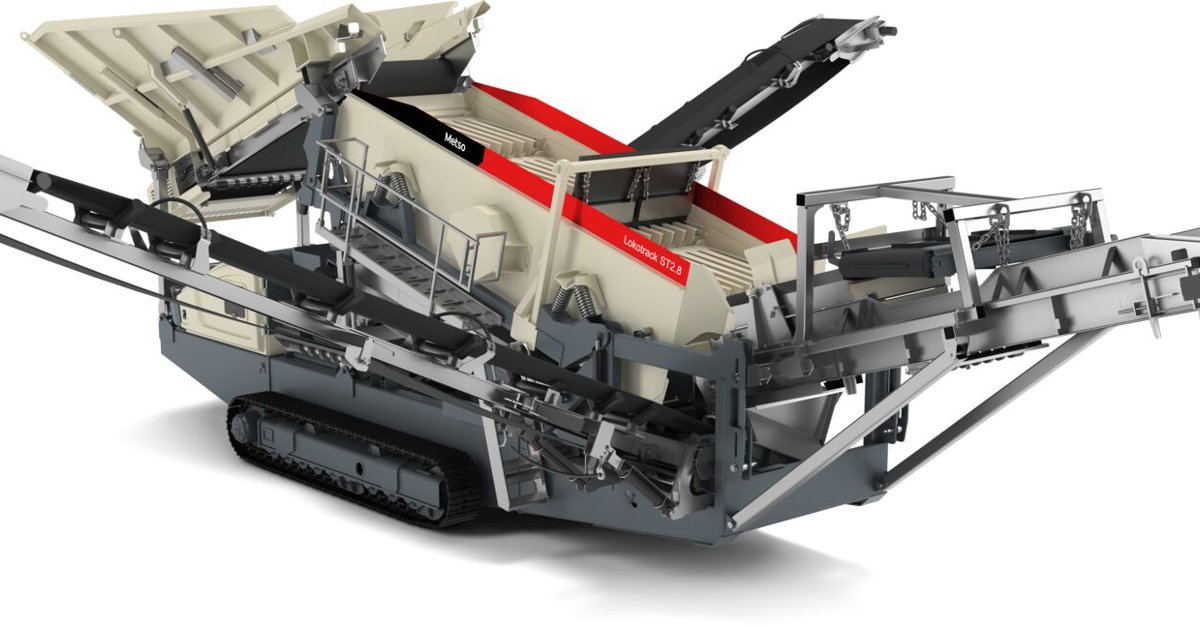
Standard wear parts are built for typical conditions, and real sites are rarely typical. This guide covers when a standard liner or jaw die stops being the right choice, how profile and material are matched to the job, and how to get parts that fit older machines. Millennium Machinery is an authorized Metso Aggregates partner and Epiroc dealer. It supplies genuine Metso spare and wear parts, upgrades and retrofits, and 3D engineering support to mining and heavy industrial operations.
When Standard Crusher Wear Parts Stop Making Sense
A standard liner works when the crusher, the feed, and the duty match what it was designed for. Once one of them changes, wear starts to show.
Signs a Standard Liner or Jaw Die Is the Wrong Match
- Liners wear out much faster than liners on similar crushers
- One side of a jaw die, or one section of a mantle, wears well ahead of the rest
- The product comes out in the wrong shape or size
- Throughput drops even though the crusher keeps running
- Material packs or bridges in the chamber
- The crusher needs frequent adjustment to hold product size
Any one of these can have other causes. Several together usually point to a mismatch between the wear parts and the application.
Situations That Call for Custom Crusher Wear Parts
Some conditions push a standard liner past what it was built for:
- Very abrasive rock that grinds liners away
- Sticky or clay-heavy feed that packs the chamber
- Mixed demolition rubble with rebar and irregular pieces
- A crusher moved to a new feed or a new duty
- Older or discontinued models with little catalog support
In these cases, the answer is custom crusher wear parts: parts matched to the machine and the feed instead of picked from a catalog by model number alone.
Custom Crusher Liners: Matching Profile and Material to Your Feed
Two choices decide most of a liner’s life: its shape and the steel it is made from.
Liner Profile and Chamber Shape
The profile controls how rock is squeezed and where wear lands. In a cone crusher, chamber shape affects product size, throughput, and how evenly the liners wear. A profile built for fine product from clean feed can choke on coarse or sticky material. Custom crusher liners start with the profile that suits the size range of what you crush and the product you need to make.
Material Grade: Balancing Hardness and Toughness
Most crusher wear parts are cast from manganese steel, and the grade changes the way the part behaves. Harder grades resist abrasion but are more likely to crack under heavy impact. Tougher grades absorb impact better but may wear faster on abrasive rock. Abrasive, low-impact feed and heavy, shock-loaded rock call for different choices.
Jaw Dies and Mantles: What Changes by Crusher Type
The same thinking applies across machines, but the details differ:
- Jaw dies: tooth shape, plate thickness, and the size of rock entering the chamber matter most
- Mantles and bowl liners: chamber profile, setting, and gradation drive wear life
- Both: the steel has to suit the rock, not just the crusher
Matching Wear Parts to Site Demands
No two sites are alike. Rock type, moisture, operating hours, and product specifications all change how liners wear. The goal is longer liner life, steadier product, and a lower cost per ton. That comes from fitting the part to the site, then checking its wear pattern and adjusting for the next set.
If you want to learn more about how genuine and aftermarket parts compare, check out our guide on genuine vs aftermarket crusher wear parts.
Older and Discontinued Crushers: Getting Wear Parts That Actually Fit
A crusher can stay productive for decades. The parts catalog often does not keep pace.
Why Older Models Are Harder to Source
Manufacturers retire models, revise designs, and renumber parts. A part number from an old manual may be superseded, and two machines of the same model can use different versions. Ordering from memory or by visual match is the usual way the wrong component ends up on site.
Confirming Model, Serial Number, and Dimensions Before You Order
Gather this before you order:
- The full model designation and serial number
- Any number cast or stamped on the component, if still legible
- Measurements of the component and its mounting surfaces
- Photos of the chamber and the worn component
- What you crush and the product you need
With that, a supplier can confirm fit before anything ships.
Upgrades and Retrofits for Older Crushers
An older crusher does not always need the same part it started with. Upgrades and retrofits can bring an existing machine up to date without replacing it, and a supplier who offers them can tell you what is available for your model.
When the Part Has to Be Recreated
When a component has no drawing and no available replacement, 3D scanning, 3D modeling, and engineering analysis can capture the geometry of the worn component and support a replacement.
If you want to learn more about how a component is recreated when the original is unavailable, check out our guide on reverse engineering critical components.
Choosing a Crusher Wear Parts Supplier Who Can Solve Fit Problems
A good crusher wear parts supplier does more than look up a number. They ask questions first.
What to Ask Before You Order
- Do they ask for your crusher model, serial number, and feed?
- How do they verify fit before the order ships?
- Can they explain why a profile or grade suits your site?
- Do they support older and discontinued models?
- What help is available after the parts are installed?
Why Technical Verification Beats Catalog Matching
Catalog matching assumes your machine and your rock are standard. Technical verification checks the actual crusher, the actual feed, and the actual wear pattern. It costs a few questions up front and prevents wrong shipments, early failures, and unplanned stops.
Millennium Machinery: Genuine Parts, Lifecycle Services, and Process Optimization
As an authorized Metso Aggregates partner, Millennium Machinery supports crushing and screening operations with:
- Genuine Metso spare and wear parts for crushers
- Screening media, screen and feeder spare parts, and wear linings
- Maintenance and repairs, upgrades and retrofits
- Lifecycle services and process optimization
- 3D scanning, modeling, and engineering analysis for components with no drawing
From its base in Miami, Millennium Machinery serves mining, quarrying, and aggregate operations worldwide.
Quick Answers
What are custom crusher wear parts?
Wear parts matched to a specific crusher and feed, including profile and steel grade, instead of a catalog part chosen by model number alone.
When is a standard liner or jaw die the wrong fit?
When wear is fast or uneven, product shape drifts, or the rock is unusually abrasive, sticky, or mixed.
Can older crusher models still get the right wear parts?
Often, yes. Confirming the model, serial number, and dimensions lets a supplier verify fit, and retrofits or recreated parts can fill the gaps.
What information does a supplier need to recommend the right liner?
The crusher model and serial number, the feed and its gradation, the product size, operating hours, and the wear pattern on the current set.
How do I know whether I need a different profile or material grade?
Look at how the current set wore. Fast abrasion points toward a different grade. Packing or bridging points toward a different profile.
Get the Right Fit the First Time
A liner performs only when it fits the machine and the feed. Millennium Machinery helps operations worldwide match wear parts to the crusher, the rock, and the site, with genuine Metso parts and technical support behind every order.
Send us your crusher model and a photo of the worn part. Contact us today.