


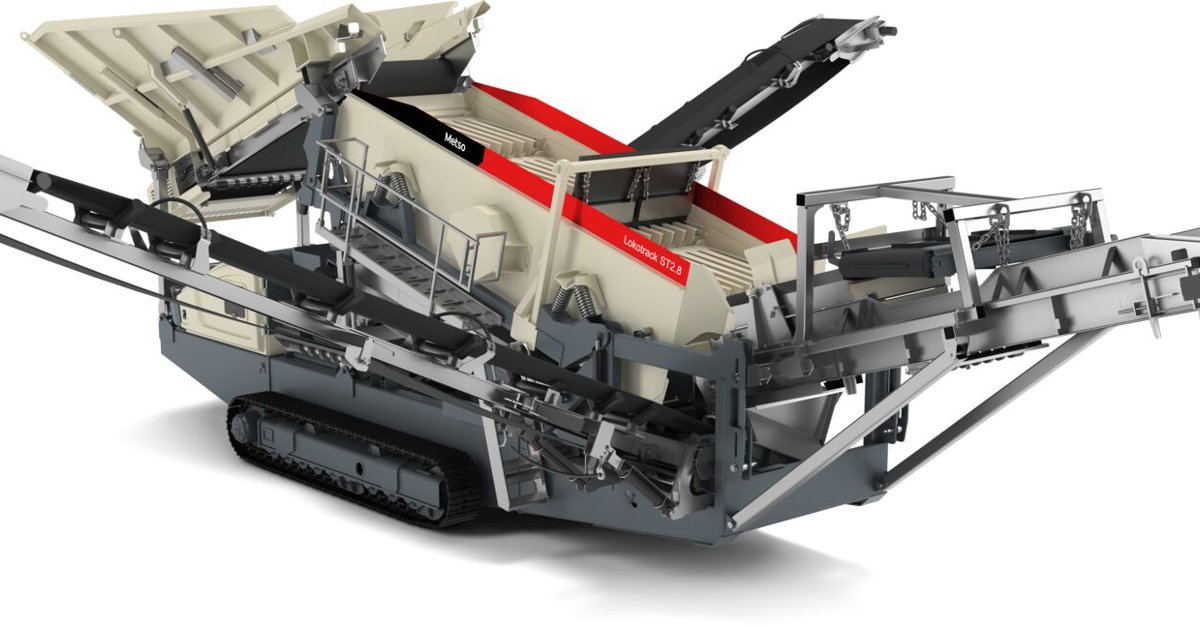
Most operations buy this kind of equipment a single machine at a time. A jaw crusher this year, a screen next year, a cone crusher whenever budget allows. That approach works until the machines have to run together, and gaps in capacity, compatibility, or support start showing up on production day. The Metso Lokotrack line takes a different approach: four machines engineered to work together in a coordinated sequence, from primary crushing through final screening.
This guide covers how the LT106, LT200HP, ST2.8, and ST4.8 function together as a complete mobile crushing and screening setup, and why buying the full package as a matched fleet changes what happens on site compared to assembling it piece by piece.
Why Buy the Lokotrack Line as a Matched Set Instead of One Machine at a Time
The Problem With Mixing Brands or Buying Units Piecemeal
Mixing manufacturers across a rock processing operation creates friction that shows up months after the sale. Feed openings, discharge heights, and conveyor angles are not standardized across brands, which means a crusher from one manufacturer and a screen from another often need custom modifications just to sit in sequence correctly. Parts sourcing gets split across multiple vendors, each with its own lead times and account relationships, and a breakdown on a single unit can mean calling a different supplier than the shop that handles the rest of the fleet.
What Changes When Every Machine Comes From the Same Manufacturer
A production system built entirely on Metso engineering solves that friction at the design stage. Feed and discharge specifications are built to work together, and the same service network, the same parts catalog, and the same technical documentation cover every unit in the fleet. That consistency matters most when something goes wrong mid-shift and an operator needs an answer fast, not a transfer between vendors who each own a piece of the problem.
Mobile Crushing and Screening Equipment: How the Four Units Work Together
Primary Crushing With the LT106 Jaw Crusher
The LT106 takes raw feed straight from an excavator or wheel loader and reduces it to a manageable size for the next stage. Its feed opening and vibrating grizzly feeder handle inconsistent, irregular material without extensive pre-breaking, which keeps the rest of the process fed at a steady pace instead of stalling on oversized chunks.
Secondary Crushing With the LT200HP Cone Crusher
Rock coming off the LT106 still needs further reduction before it meets product spec. The LT200HP, built on the Nordberg HP200 platform, handles that secondary stage, tightening particle size and shaping the output into something closer to a finished aggregate rather than raw crushed rock.
Scalping and Final Screening With the ST2.8 and ST4.8
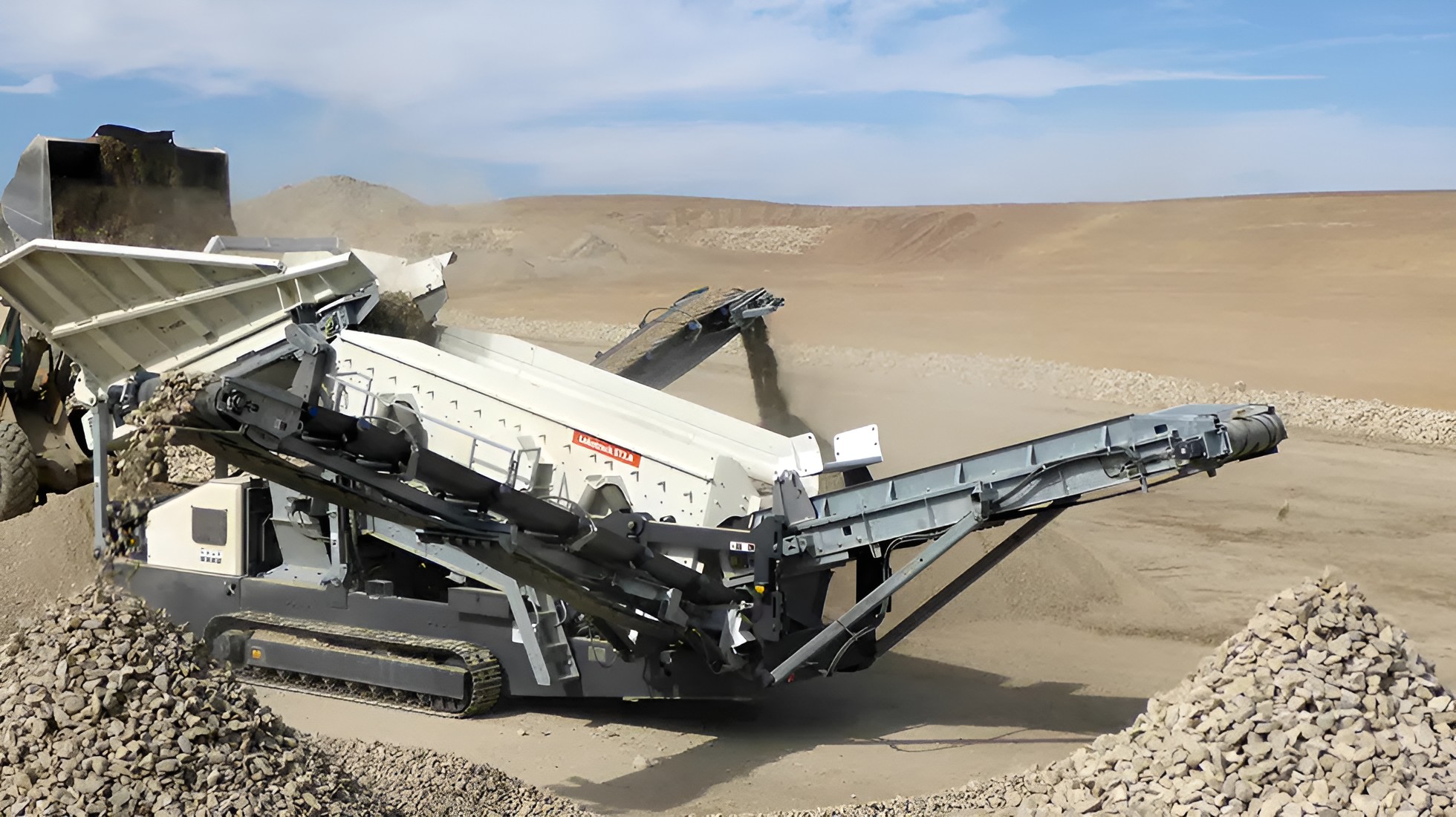
Once the feed is properly sized, it needs separating. The ST2.8 handles scalping, pulling out oversized or unwanted material before it ever reaches final processing. The ST4.8 finishes the job, splitting output into multiple graded products across its triple deck in a single pass.
Feed Flow From Raw Rock to Finished Product
Put together, the sequence runs from raw rock into the LT106, through the LT200HP for secondary reduction, into the ST2.8 for scalping, and finally through the ST4.8 for grading into sellable products. Each stage exists because the previous stage cannot finish the job alone, and skipping a stage usually means reprocessing material later at greater cost, along with extra fuel and labor that was never budgeted into the job.
LT106, LT200HP, ST2.8, and ST4.8 Crushing Screening Plant: What Each Unit Adds
LT106: Handling Large, Irregular Feed at the Front End
The LT106’s Nordberg C106 jaw crusher accepts feed up to roughly 560 millimeters, giving the fleet room to handle inconsistent rock without a separate pre-crushing step ahead of it.
LT200HP: Reducing Product Size for Tighter Spec Control
The LT200HP narrows the gap between raw crushed rock and finished aggregate, giving operators tighter control over final product size before the output reaches the screening stage.
ST2.8: Removing Oversize and Unwanted Material Before Final Separation
Scalping with the ST2.8 protects the ST4.8 from feed that would otherwise clog or wear down its screening media prematurely, extending service life across the rest of the setup.
ST4.8: Producing Multiple Finished Products in One Pass
The ST4.8’s triple deck design separates material into several graded products simultaneously, reducing the recirculating load that single-deck screens often generate on a busy site.
What a Complete Setup Means for Site Logistics and Uptime
Fewer Vendors, Fewer Points of Failure
A four-machine fleet sourced from a single supplier means a single point of contact for parts, service, and technical questions. That simplifies everything from routine maintenance scheduling to emergency repairs when a unit goes down mid-production.
Parts and Service Support When Every Machine Comes From One Supplier
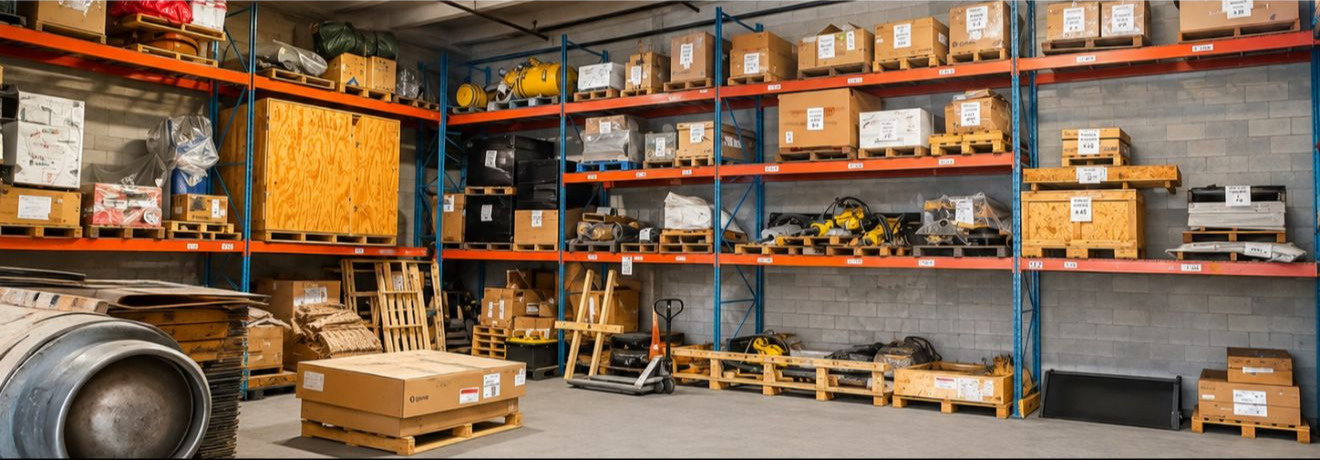
Wear parts, from jaw dies to screening media, follow a predictable ordering pattern when every machine in the fleet comes from the same manufacturer and the same regional supplier. There is no guessing which vendor stocks which part or how long a cross-brand component might take to arrive once an order goes in.
Transport, Setup, and Relocation Across Multiple Machines
All four units are track mounted and built for mobility, which matters when a full production operation needs to relocate between sites or within a large quarry footprint. Coordinated transport across four Metso machines is a simpler logistics exercise than coordinating four machines from four different manufacturers, each with its own loading requirements and trailer specifications.
Matching the Setup to the Job: Quarrying, Aggregates, and Mixed-Use Operations
Sizing the Fleet to Production Targets and Material Type
Not every operation needs the full four-unit fleet running at maximum capacity. Production targets, rock hardness, and site space all factor into how the setup gets configured, and a supplier who understands both the equipment and the application can help size it correctly before purchase, rather than after a machine already sits idle on site.
When a Full Four-Unit Setup Makes Sense vs. a Smaller Configuration
Operations running continuous, high-volume production across varied material types benefit most from the complete fleet. Smaller or intermittent operations may only need the LT106 and one screen to start, with the option to add the LT200HP and second screen as production scales up over time.
Sourcing the Metso Lokotrack Line From a Regional Supplier
Why Regional Availability Cuts Delivery Time and Import Complexity
Sourcing a full fleet from overseas multiplies shipping time and import documentation across four separate machines instead of a single shipment. A regional supplier with the setup already available in the Americas moves the entire operation into production faster than waiting on an overseas distribution center for even a single component.
Millennium Machinery’s Availability Across Ecuador, Panama, Guyana, and the Wider Caribbean
Millennium Machinery has the complete Metso Lokotrack line available now for operators in Ecuador, Panama, and Guyana, with support extending across the wider Caribbean, including English, French, and Dutch speaking territories. That regional footprint means faster delivery and simpler logistics than sourcing machines from separate overseas channels individually.
Genuine Metso Parts and Technical Support as an Authorized Aggregates Partner
As an authorized Metso Aggregates partner, Millennium Machinery backs every unit in the line with genuine parts access and factory trained technical support, keeping the full setup productive well beyond the initial purchase and the first season of operation.
Quick Answers
Can the LT106, LT200HP, ST2.8, and ST4.8 be purchased separately instead of as a full line?
Yes. Each unit works as a standalone machine, though buying the full line from a single supplier simplifies parts, service, and compatibility across all four.
How much material can the complete Lokotrack line process?
Output depends on configuration and rock type, but the LT106 alone is rated up to 350 to 400 tonnes per hour, with the rest of the line sized to match that primary crusher’s capacity.
Do all four machines need to run at the same site?
No. Some operations run the LT106 and LT200HP at one location while screens handle output from multiple processing points, depending on how the site is laid out and how feed reaches each stage.
What happens if one machine in the fleet needs service while the others keep running?
Sourcing the full operation from one supplier means service and parts requests go through a single point of contact, reducing downtime compared to coordinating repairs across separate vendors and separate parts catalogs.
Does Millennium Machinery support the full Lokotrack line, not just individual units?
Yes. As an authorized Metso Aggregates partner, Millennium Machinery supports the complete LT106, LT200HP, ST2.8, and ST4.8 fleet with genuine parts and factory trained technical service.
Build Your Complete Crushing Setup
Millennium Machinery has the full Metso Lokotrack line, the LT106, LT200HP, ST2.8, and ST4.8, available now for operators in Ecuador, Panama, and Guyana, with support reaching across the wider Caribbean.
Contact us today to build out your complete equipment setup.