


Common hydraulic pump failure symptoms include slow or weak machine movements, abnormal whining or rattling, excess heat, erratic operation, contaminated hydraulic oil, unusual vibration, and pressure or flow readings outside the manufacturer’s specification. None of these signs proves the pump has failed on its own. A blocked suction line, relief valve fault, worn cylinder seals, or a control problem can create similar symptoms. The best approach is to compare measured flow and pressure under defined conditions with the equipment manual before ordering parts.
Why hydraulic pumps matter on heavy equipment
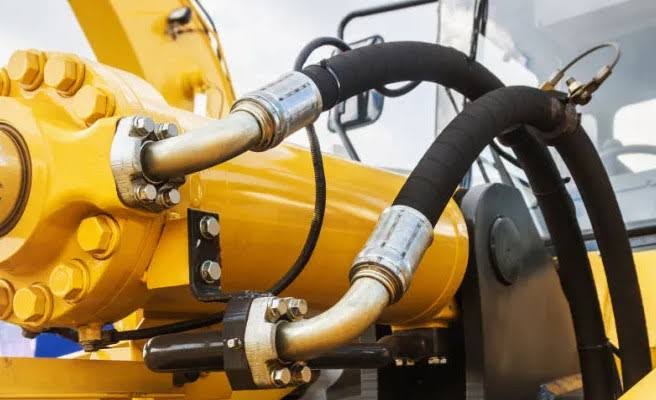
Excavators, wheel loaders, drilling machines, and other industrial equipment depend on hydraulic systems to convert engine power into controlled movement. A pump supplies oil flow; resistance to that flow produces pressure. Cylinders and motors use the hydraulic power to lift, swing, travel, or operate attachments. When a machine slows down, the pump is often blamed first. Yet the system includes a reservoir, filters, suction lines, valves, hoses, coolers, actuators, and electronic controls. Troubleshooting must consider the entire circuit. A pump replacement without finding the original cause may leave the underlying problem in place and damage the replacement.
Warning sign 1: slow or weak hydraulic movement
A boom that lifts slowly, a bucket that lacks digging force, or a travel drive that feels weaker than normal may signal insufficient available flow or pressure. Notice whether the problem affects one function or several. If only one cylinder is weak, check that circuit before assuming the common pump is worn. If several functions are slow at operating temperature, pump wear, supply restrictions, or control settings deserve closer investigation. Record engine speed, oil temperature, load, and which functions are affected. These details help a technician reproduce the fault rather than guessing.
Warning sign 2: whining, rattling, or grinding
An unusual high-pitched whine can be associated with suction restriction or aeration. A harsh rattling sound may point to cavitation, while grinding can suggest mechanical wear. Cavitation occurs when local pressure falls enough for vapor bubbles to form and collapse; aeration involves air entering or remaining in the oil. The causes and remedies differ, so the noise alone is not a diagnosis. Check fluid level, suction hose condition, clamps, tank breather, and filter restrictions according to the service procedure. Do not reach toward a running coupling or loosen pressurized fittings to locate a noise.
Warning sign 3: overheating hydraulic oil
Hydraulic oil that consistently runs hotter than the specified range can lose viscosity and reduce the margin of protection for moving components. Possible causes include internal leakage, an overloaded circuit, restricted coolers, incorrect fluid, or relief valves bypassing oil. The pump can be both a cause and a victim of excessive heat. Compare temperatures at similar workloads, inspect the cooler for airflow blockage, and verify the fluid grade. A hot tank does not automatically mean the pump must be replaced. The key is finding where energy is being wasted as heat.
Warning sign 4: jerky or inconsistent response
Unexpected hesitation, pulsing, or uneven motion can occur when air is present, oil supply is unstable, control valves stick, or a pump control system malfunctions. Modern variable-displacement pumps may respond to electronic and pilot signals, making diagnosis more complex than a simple pressure test. Note whether the issue happens only during cold starts, when multiple functions operate, or after the machine warms up. Those patterns can separate a fluid issue from a load-sensing or component problem. Because erratic motion can create a crush hazard, stop using the machine until it can be inspected safely.
Warning sign 5: dirty oil or unusual debris
Dark oil alone does not prove pump damage, but metal particles, water contamination, or unusually high particle counts are warning signs. Contamination can scratch precision surfaces, accelerate wear, and cause valves to stick. Use the manufacturer’s sampling method and a clean container, ideally from a designated sampling port. Oil analysis can help identify wear trends, water ingress, and contamination. If a pump has suffered a catastrophic failure, replacing it without flushing affected circuits and inspecting filters can circulate debris into the new component. Cleanliness should be part of the repair plan, not an afterthought.
Warning sign 6: vibration and repeated seal problems
A pump that vibrates more than normal may have mounting, coupling, bearing, or inlet-flow problems. Leaks around the shaft seal can indicate seal wear, but excessive case pressure or poor drain routing can also contribute. A leaking seal should not be treated as proof that every internal pumping element is worn. Check mounts, alignment, hose routing, and the case-drain arrangement where applicable. Repeated failures are especially important: they often suggest a system condition that has not been corrected. Keep a record of the time between repairs and operating conditions.
Warning sign 7: pressure or flow outside specification
The strongest evidence usually comes from properly performed hydraulic tests. A machine may show acceptable pressure at low flow but lose performance under load; another may reach relief pressure while delivering insufficient useful flow. The correct test depends on pump design and the manufacturer’s diagnostic procedure. Technicians may check system pressure, case-drain flow, inlet vacuum, and output flow at specified temperature and speed. Never improvise a test by deadheading a circuit or opening a live hydraulic connection. Stored hydraulic energy and high-pressure injection injuries can be life-threatening.
Seven likely causes behind pump problems
Contaminated oil is a frequent contributor because abrasive particles damage close-clearance components. Low fluid level or suction restriction can starve the pump. Incorrect oil viscosity can impair lubrication or cold-start supply. Overheating accelerates wear and can change system behavior. Excessive operating pressure or incorrect relief settings can overload parts. Poor installation, misalignment, or incorrect case-drain plumbing can shorten service life. Finally, age and operating hours gradually increase internal leakage. These causes often overlap: for example, a restricted suction line can cause noise, heat, and premature wear at the same time.
How technicians diagnose a suspected hydraulic pump failure
Begin with the machine’s exact make, model, serial number, and service history. Confirm the complaint and identify which functions are affected. Inspect the oil level, fluid condition, filters, visible leaks, cooler, and suction plumbing with the machine secured. Review fault codes on electronically controlled equipment. Next, follow the manufacturer’s test sequence for temperature, engine speed, flow, pressure, and case-drain measurements. Compare the results with specified tolerances rather than generic internet numbers. If the pump is worn, investigate why it failed and which connected components need cleaning or inspection. Document readings before and after repair.
Repair or replace: what makes financial sense?
A repair may be practical when the housing, shaft, and major rotating components are serviceable and a qualified specialist can restore the unit to specification. Replacement may make more sense when internal damage is severe, critical components are unavailable, or the cost of rebuilding approaches the price of a verified replacement. Consider machine downtime, labor, shipping, warranty terms, and the risk of repeated failures. The cheapest part is not always the least expensive outcome. For fleets, compare total installed cost and expected reliability rather than purchase price alone.
How to prevent another failure
Follow the correct fluid specification and service interval. Keep fill tools, transfer containers, and fittings clean. Replace filters according to condition and the service schedule; do not bypass restrictions as a shortcut. Inspect suction hoses for collapse, damaged seals, or loose clamps. Maintain coolers and watch operating temperature. After a major hydraulic failure, confirm the required flushing and contamination-control procedure. Train operators to report changes in sound, cycle time, and machine response early. These small observations can prevent a minor defect from becoming an extended outage.
Ordering the right hydraulic replacement parts
Before requesting a quote, gather the machine make, model, serial number, pump manufacturer, pump part number, and clear photographs of the identification plate. Note whether the unit is fixed- or variable-displacement and describe the observed fault. Some assemblies have similar appearances but different control options, shaft configurations, or ports. Matching by photograph alone is risky. MMPAS can help customers discuss heavy equipment spare and wear parts and related equipment repair support based on the application and available specifications.
Frequently asked questions
Can a hydraulic pump fail without leaking?
Yes. Internal wear can reduce useful flow without an obvious external leak.
Does whining always mean the pump is bad?
No. Suction restrictions and air entering the oil can create similar noise.
Can dirty hydraulic oil damage a new pump?
Yes. Contamination left in the circuit can quickly damage replacement components.
Should I replace the pump if my excavator is slow?
Not until the relevant flow, pressure, and control checks identify the fault.
What information is needed for a pump quote?
Machine and pump identifiers, part number, photographs, and the reported symptoms.
Is it safe to test hydraulic pressure myself?
High-pressure systems require trained personnel, rated equipment, and the manufacturer’s procedure.
Get the right support for your equipment
If your excavator, loader, or industrial machine shows hydraulic pump failure symptoms, focus on an accurate diagnosis before replacing expensive components. Millennium Machinery Parts & Service Corp. helps industrial customers source parts and explore service options. Share your equipment details and the fault history through the MMPAS contact page to discuss the next step.