


Quarrying is hard on equipment. Continuous crushing, screening, and material handling cycles produce abrasion, impact, and fatigue that wear out parts faster than most other heavy industries. When something critical fails, the pressure to restore production is immediate.
Remanufactured quarry components offer a practical path to getting equipment back in service faster and at lower cost than new parts, but only when the right conditions are met and the supplier understands the application. This post covers what quarry operations need to know before sourcing remanufactured heavy equipment parts.
Why Quarrying Creates Specific Demands on Equipment
The Operating Conditions That Accelerate Wear
Quarry equipment operates under conditions that combine high impact, continuous abrasion, heavy cyclical loading, and exposure to dust, moisture, and silica. Crushers cycle thousands of times per hour. Screens run continuously under vibration. Haul trucks and loaders operate on rough terrain with heavy payloads across long shifts.
These conditions accelerate wear on hydraulic systems, drivetrains, final drives, and structural assemblies at rates that exceed most construction or general industrial applications. Parts that would last years in a lighter environment reach end of service life within months in a high-throughput quarry.
Which Parts Fail Most Frequently in Crushing and Screening Applications
The assemblies with the highest failure rates in quarry operations include:
- Hydraulic pumps and motors on crushers and mobile equipment
- Final drives on excavators, dozers, and articulated trucks
- Transmissions on haul trucks and wheel loaders
- Hydraulic cylinders on mobile and fixed plant equipment
- Gearboxes on screens and conveyors
These are also among the most expensive to replace with new units and the most practical candidates for remanufacturing when the core structure is sound.
For crusher-specific wear components such as liners, mantles, and blow bars, which are consumables rather than remanufacturing candidates, read our guide on how to identify and replace crusher wear parts.
Why Quarry Maintenance Timelines Differ From Mining Operations
Quarry sites often run tighter production schedules with less flexibility for extended downtime than large-scale mining operations. A crusher that goes down mid-shift affects the entire plant. This makes lead time one of the most critical factors in any parts sourcing decision, which is where restored units can offer a real advantage over waiting on new OEM parts.
What Remanufactured Quarry Components Actually Are
The Remanufacturing Process vs Repair and Rebuild
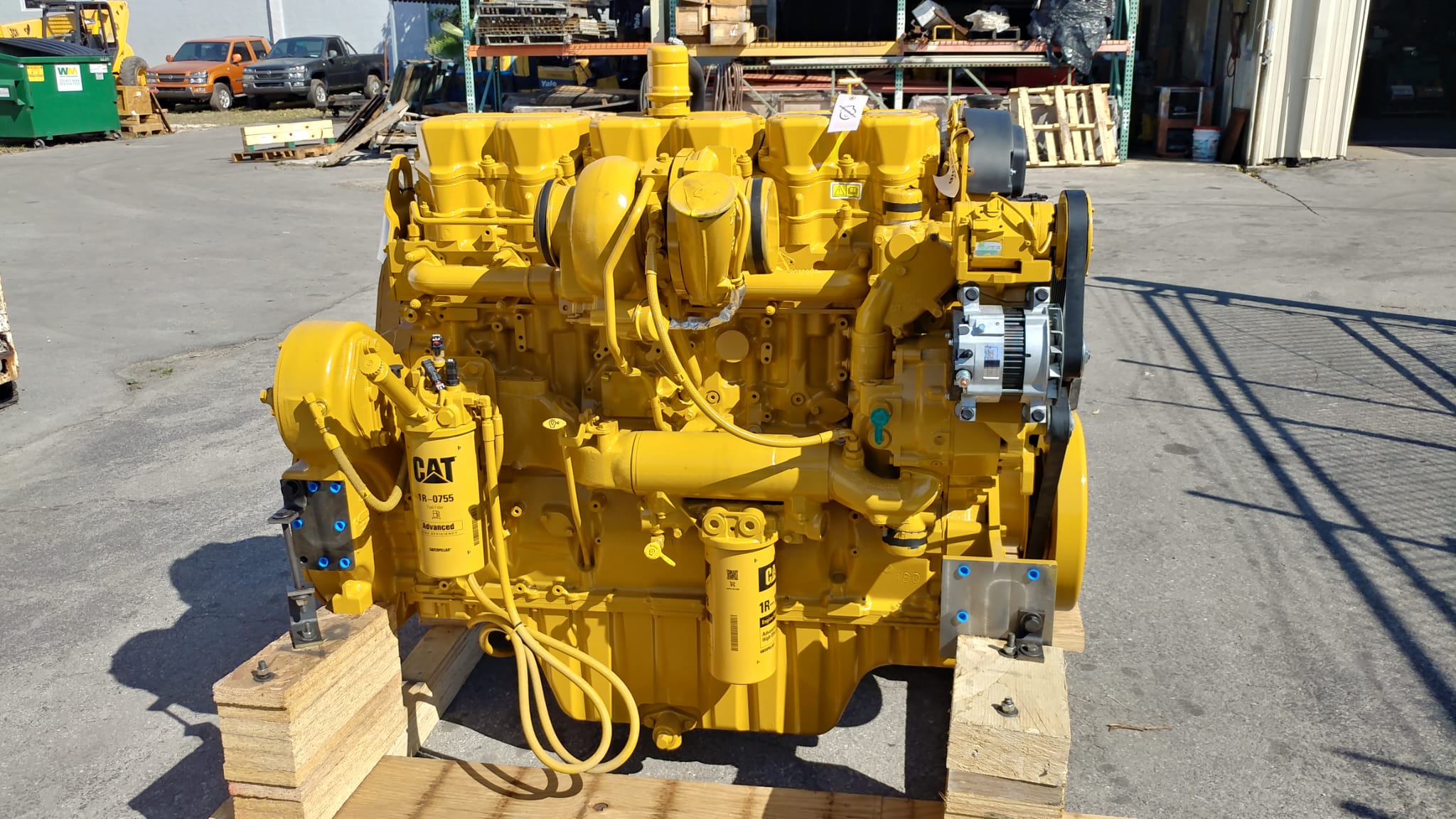
Remanufacturing is a complete restoration process. A unit is fully disassembled, cleaned, and inspected. Worn elements are replaced, not patched. Machined surfaces are restored to OEM tolerances. The assembly is tested before it ships.
This differs from a basic repair, which addresses a specific failure without restoring the full unit to specification, and from a rebuild, which typically focuses on restoring function without the same depth of inspection and replacement.
What Gets Inspected, Replaced, and Verified Before Shipment
In a properly executed process, the following should occur before a unit is considered ready:
- Full disassembly and cleaning to base parts
- Dimensional inspection of all wear surfaces and bores
- Replacement of seals, bearings, bushings, and worn internal elements
- Machining or resurfacing of parts outside OEM tolerance
- Reassembly to specification with correct torque and clearances
- Functional or pressure testing appropriate to the assembly type
- Documentation of what was inspected, replaced, and verified
Skipping any of these steps means the unit has not been properly remanufactured and introduces unknown risk into the machine.
How Remanufactured Differs From Used or Reconditioned Parts
Used parts are sold in existing condition with unknown remaining service life and no internal verification. Reconditioned parts may have been cleaned and externally repaired without full disassembly or inspection.
Properly remanufactured quarry components are restored to a known standard. That distinction matters because a premature failure costs not just the replacement part but lost production, labor, and potential secondary damage.
For a full comparison of new, used, rebuilt, and remanufactured options across mining and quarrying equipment, read our guide on choosing the right remanufactured mining equipment parts.
Which Quarry Equipment Parts Are Strong Candidates for Remanufacturing
Hydraulic Pumps, Motors, and Cylinders
Hydraulic assemblies are strong candidates because housings and structural elements retain value long after internal wear parts reach end of life. Seals, bearings, pistons, and valve plates can be replaced and the unit pressure-tested before installation. For sites running multiple machines with identical hydraulic systems, exchange programs using restored units can reduce lead times significantly.
Transmissions, Final Drives, and Gearboxes
These are expensive to replace with new units and frequently viable for restoration. Gear sets and housings often remain serviceable while bearings, seals, and friction elements need replacement. A properly restored final drive or transmission can return to service at a fraction of the new unit cost without sacrificing reliability.
Crusher and Screening Equipment Assemblies
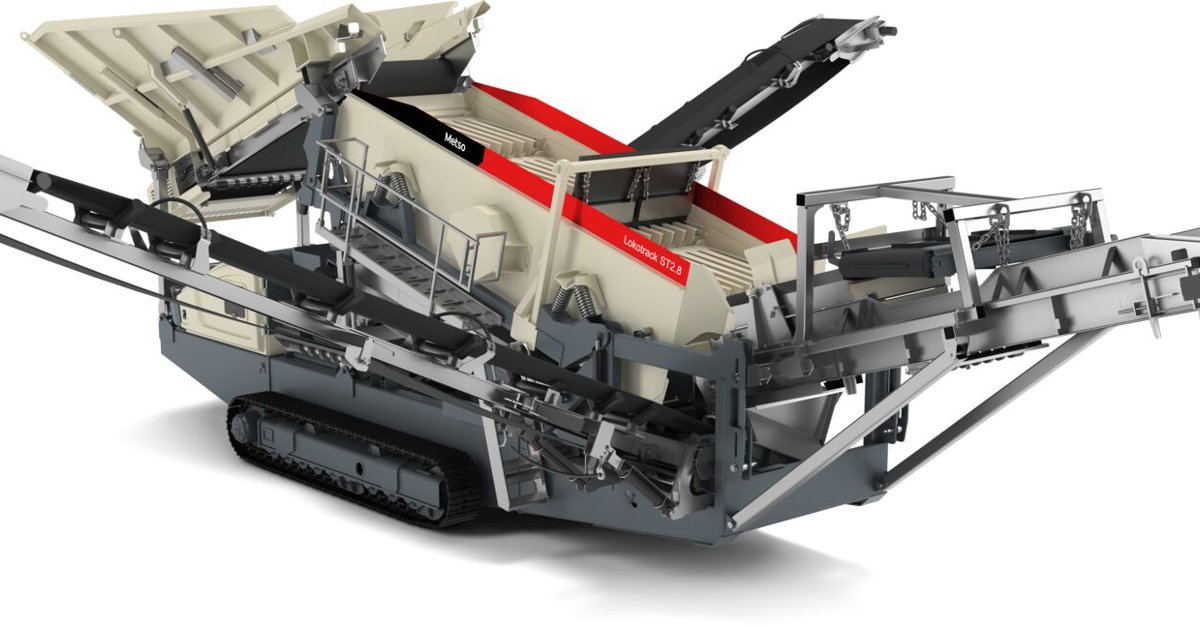
Select assemblies within crushing and screening equipment, including gearboxes, drive systems, and hydraulic units, are practical candidates for restoration. Wear parts such as liners, mantles, and blow bars are consumables replaced rather than remanufactured, but the driven assemblies behind them can often be effectively restored.
When a Unit Is Not a Good Candidate
An assembly with cracked housings, severe structural distortion, or damage exceeding safe machining limits needs replacement. A qualified supplier identifies these cases and recommends new parts rather than attempting a restoration that will not hold in service.
What to Verify Before Sourcing Remanufactured Heavy Equipment Parts
Inspection and Testing Standards
Before accepting a restored unit, confirm the supplier can describe the specific inspection and testing process for that assembly type. Ask what was measured, what was replaced, how it was tested, and what the acceptance criteria were.
A supplier who cannot answer in specific terms has performed a basic repair and applied a different label.
Documentation Every Restored Unit Should Come With
A properly remanufactured part should be accompanied by:
- Description of work performed and elements replaced
- Dimensional inspection results where applicable
- Test results confirming the unit meets performance standards
- Warranty terms and coverage period
- Part identification and serial number
This creates accountability and gives the maintenance team a reliable record.
How Supplier Experience Affects Outcomes
A supplier with direct quarry experience understands which assemblies fail under which conditions, what wear patterns indicate about root causes, and whether a restored unit fits the specific application. This knowledge prevents a remanufactured part from being installed where it is not suited.
Remanufactured Parts and Quarry Maintenance Planning
Reducing Capital Spend Without Increasing Risk
Remanufactured quarry components typically cost significantly less than new OEM units. For sites managing multiple machines, the savings on drivetrain and hydraulic assemblies can be substantial when the supplier’s processes are sound.
The key is applying restored options selectively. High-criticality assemblies in extreme applications may warrant new parts. Those with manageable failure consequences and strong remanufacturing track records are the best candidates.
Lead Time Advantages Over New OEM Parts
New parts for specialized quarry equipment can take weeks or months to source, particularly for older machines or models with limited dealer support. Restored units are often available faster because the core is already on hand and restoration does not require waiting on new castings or machined housings.
For a site facing unplanned downtime on a critical machine, that lead time difference can directly affect production output.
Building Restored Options Into a Broader Parts Strategy
Remanufactured parts work best as part of a planned strategy rather than an emergency fallback. Operations that identify which assemblies are likely to fail, confirm which are suitable for restoration, and establish supplier relationships in advance are positioned to move quickly when a failure occurs.
Building a reliable parts strategy starts with having the right sourcing network in place. For a full breakdown of what operations teams should demand from their machine parts suppliers, read our guide on what mining and quarrying operations should demand from their supply chain.
How Millennium Machinery Supports Quarry Operations
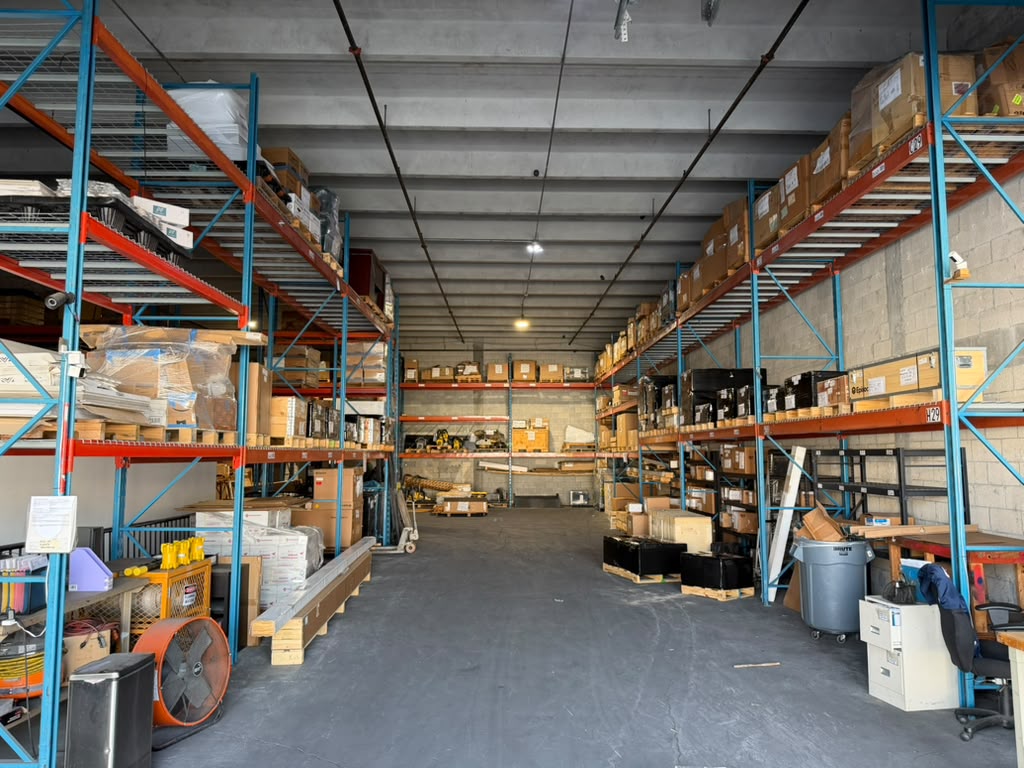
Millennium Machinery provides heavy equipment, spare parts, and technical services for quarrying, mining, construction, and heavy industrial operations across the U.S., Caribbean, and Latin America.
Support includes:
- Sourcing remanufactured quarry components across hydraulic, drivetrain, and crusher equipment
- Technical verification of part suitability before orders are placed
- OEM, remanufactured, and quality-vetted aftermarket options across equipment brands
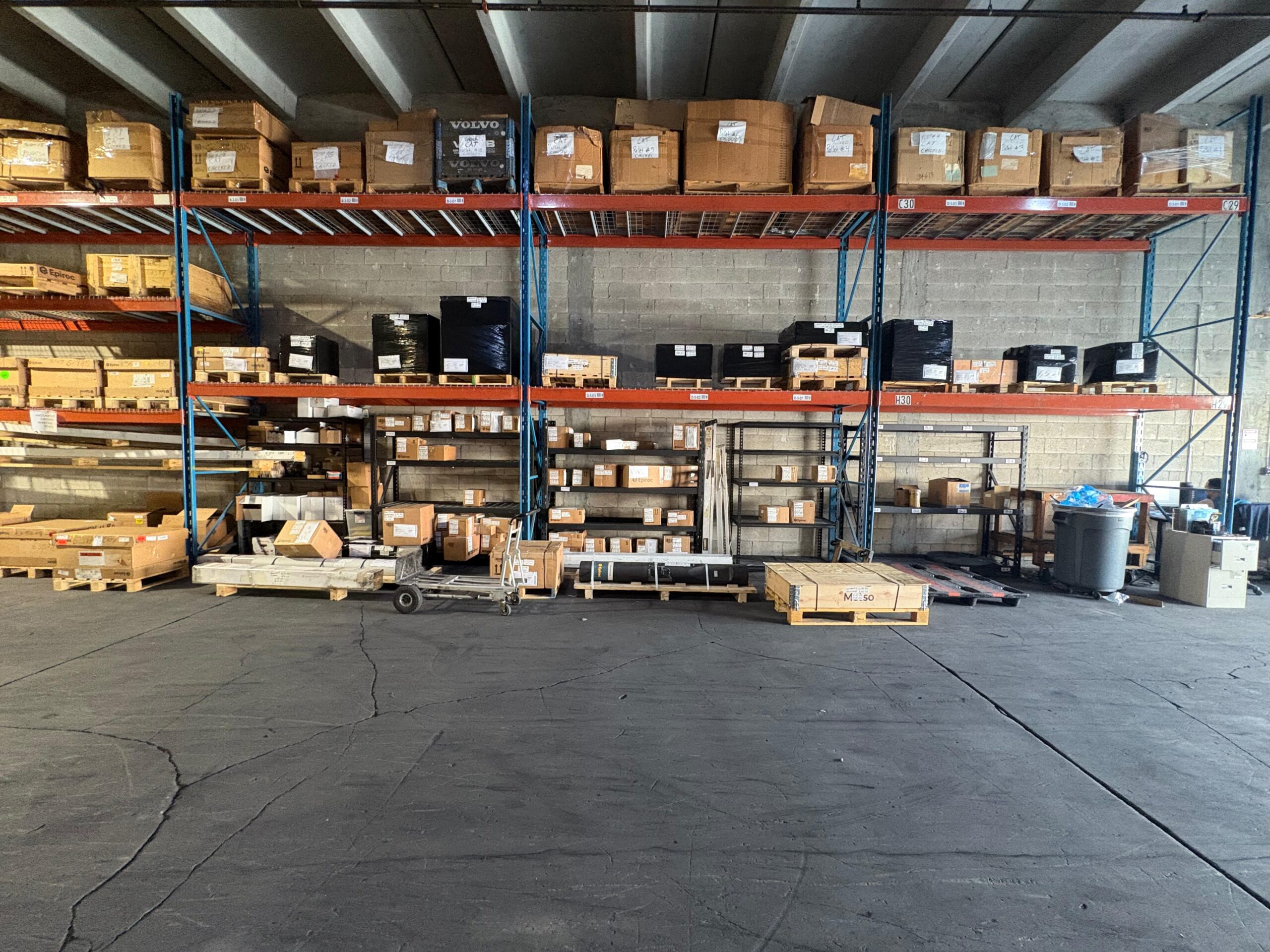
- Authorized Epiroc and Metso parts sourcing for crushing and drilling equipment
- Logistics coordination for regional and international shipments
- Service support connecting parts supply with equipment maintenance needs
Quick Answers
Q: What are remanufactured quarry components?
Used assemblies that have been fully disassembled, inspected, restored to OEM specification through replacement of worn elements and machining where required, and tested before returning to service. They differ from basic repairs and from used parts sold without restoration.
Q: Which quarry equipment parts are best suited for remanufacturing?
Hydraulic pumps, motors, and cylinders; final drives and transmissions; gearboxes; and select crusher drive assemblies. Parts with cracked housings or structural damage beyond machining limits are not suitable.
Q: How do I verify a remanufactured part is safe to use?
Ask for documentation of what was inspected, replaced, and tested. A supplier operating to a genuine remanufacturing standard can provide this in writing. One who cannot has not performed the process properly.
Q: Are remanufactured heavy equipment parts reliable for continuous quarry operation?
Yes, when sourced from a supplier with proper inspection, replacement, and testing processes. Reliability depends entirely on the quality of the restoration and the supplier’s knowledge of the application.
Q: How does Millennium Machinery support quarry equipment parts sourcing?
Millennium Machinery sources remanufactured and OEM quarry equipment parts with technical verification before every order and provides logistics coordination for operations across the U.S., Caribbean, and Latin America.
Source Smarter, Run Longer
Millennium Machinery supports quarry operations with remanufactured parts sourcing, technical verification, and supply built around uptime.
Contact our team to discuss your quarry equipment parts needs.