


A single supplier with limited stock and no logistics depth is not a supply chain. It is a single point of failure. Mining and quarrying operations depend on machine parts suppliers that can deliver the right component across multiple locations, equipment brands, and time zones without creating new problems in the process.
This post covers what a genuinely capable sourcing network looks like and what operations teams should be demanding from the suppliers behind it.
The Difference Between a Supplier and a Supply Chain
Why One Source Is Never Enough for Heavy Equipment Operations
A supplier fills an order. A supply chain ensures that orders can be filled consistently across different equipment types, locations, and urgency levels. In mining and quarrying, the distinction matters because no single source carries everything an operation needs across its full fleet.
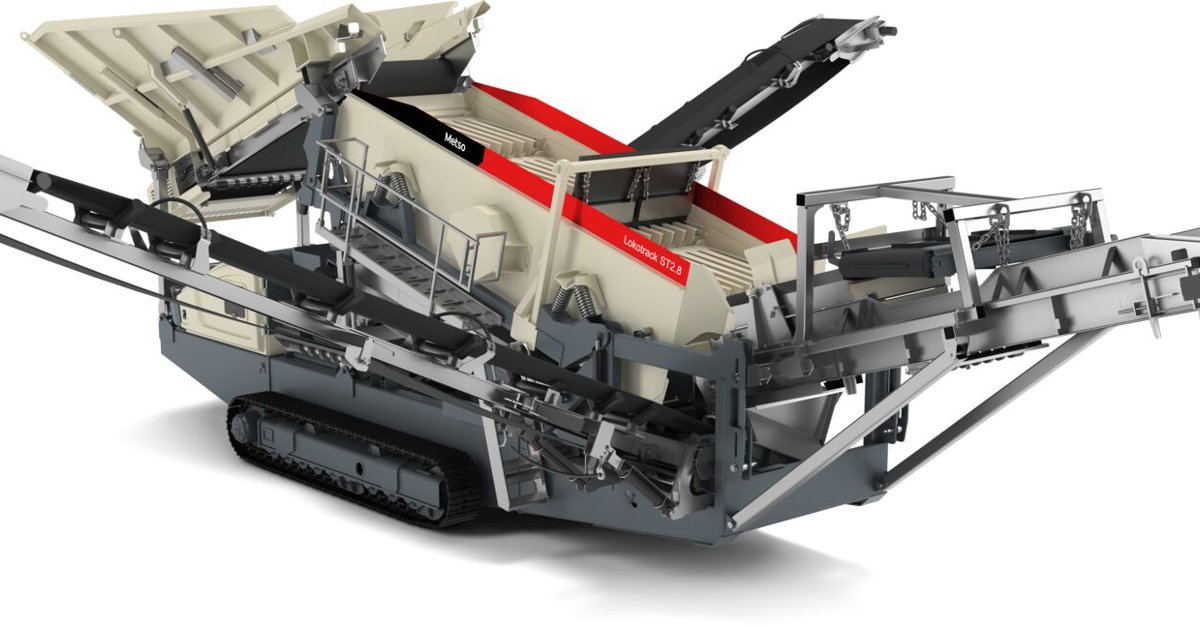
Operations running Epiroc drill rigs, Metso crushers, Caterpillar haul trucks, and support equipment from multiple manufacturers cannot afford a parts strategy that depends on one vendor’s stock levels. When that vendor runs short, the operation stops.
What Sourcing Depth Actually Means for Parts Availability
Sourcing depth means access to parts across multiple tiers: OEM, remanufactured, and quality-vetted aftermarket components. A supplier with true sourcing depth can go outside their standard inventory when a component is unavailable and has the logistics relationships to move parts efficiently when lead times are tight.
Shallow inventory handles routine orders. Deep sourcing capability handles the orders that cannot wait.
How Multi-Brand Coverage Reduces Sourcing Risk
An operation with diverse equipment brands needs a supplier capable of covering that diversity without gaps. Multi-brand sourcing experience reduces the risk of dead ends, mismatched components, and extended searches for parts that should be straightforward to find.
What Sourcing Depth Looks Like for Mining and Quarrying Equipment
Coverage Across OEM, Remanufactured, and Aftermarket Options
A capable sourcing network gives operations teams options at every sourcing level. For critical components under warranty or operating in extreme conditions, OEM is the correct choice. For budget-sensitive applications or older equipment, quality-verified remanufactured or aftermarket options can deliver reliable performance at lower cost.
The decision should be based on the application, not inventory convenience.
For a detailed breakdown of when OEM is the right call versus aftermarket, read our guide on OEM vs aftermarket mining parts: cost, risk, and warranty explained.
Sourcing Capacity for Hard-to-Find and Long-Lead-Time Components
Not every component is in stock somewhere. Mining and quarrying equipment often includes older machines, modified configurations, and specialized attachments that require parts outside standard catalogs. A sourcing network with 3D engineering and reverse engineering capability can reproduce components that are no longer available through standard channels.
This is particularly valuable for operations in the Caribbean and Latin America where equipment age and standard parts availability vary significantly by market.
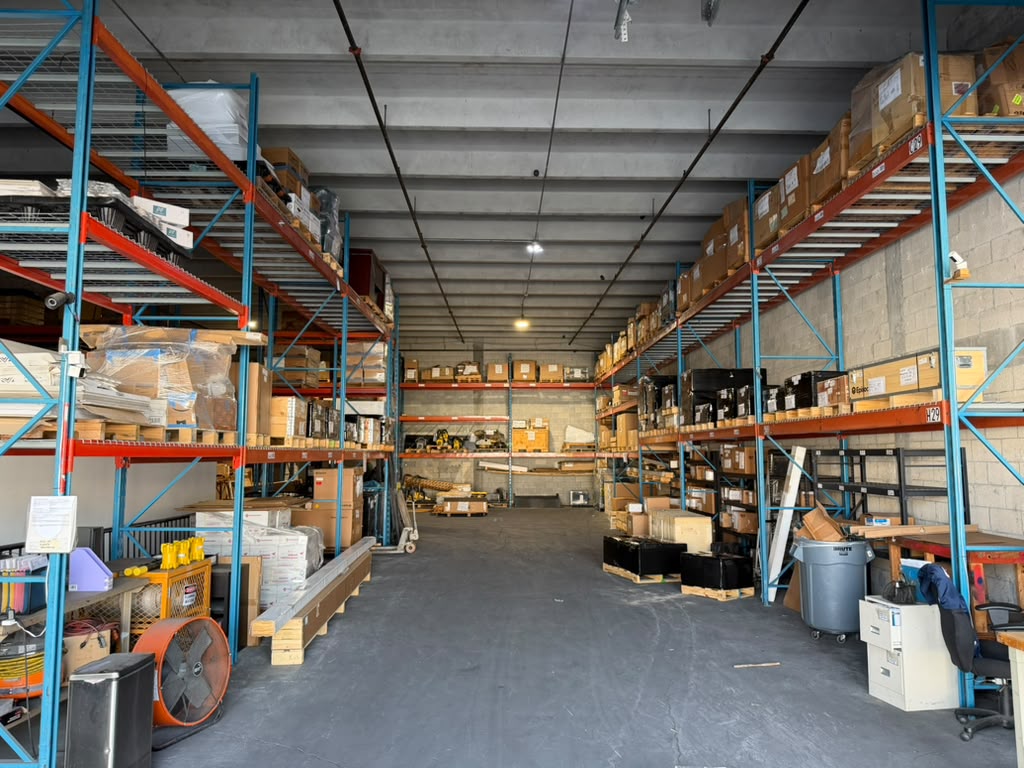
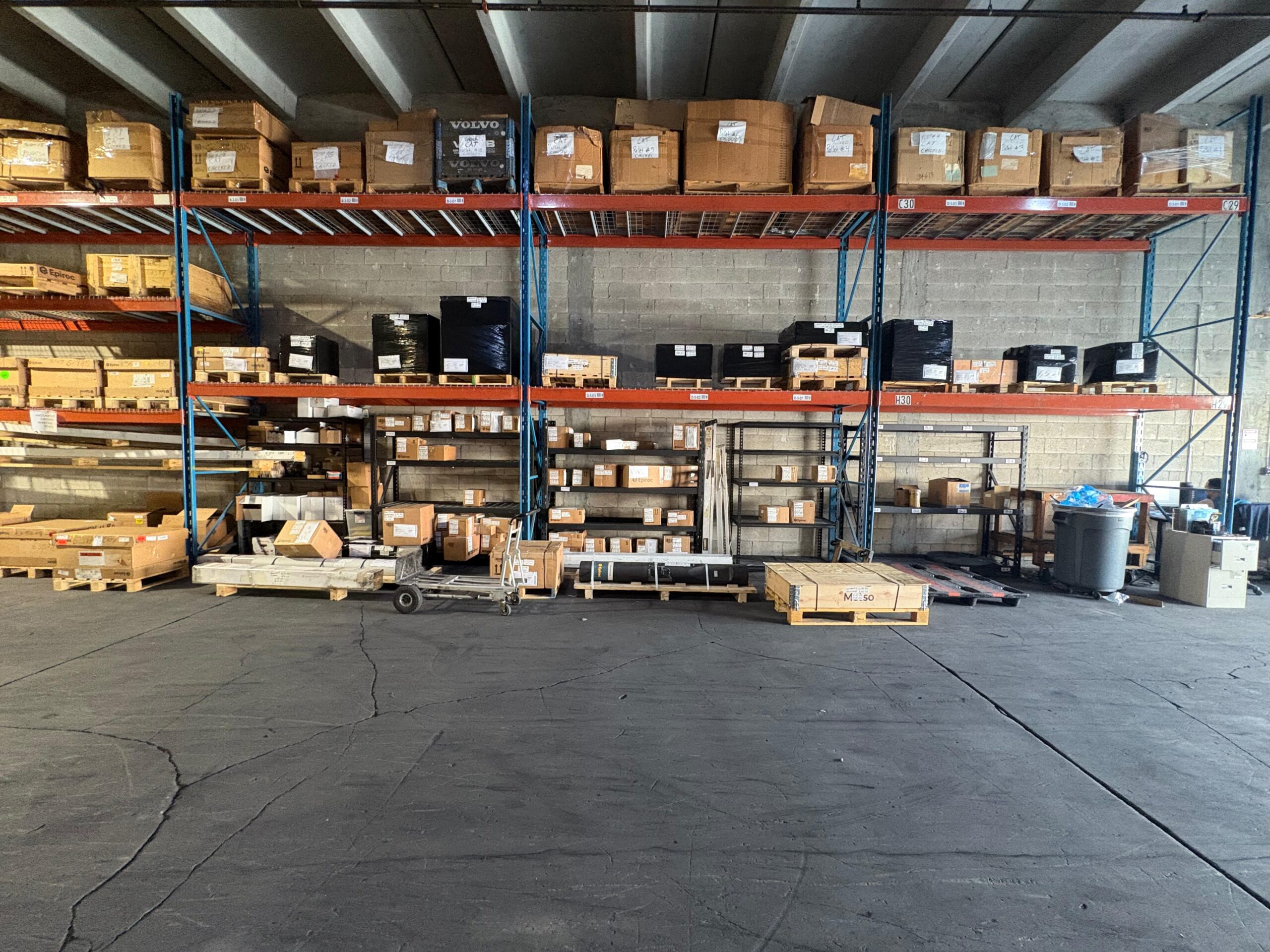
Inventory Positioning for Operations With High Equipment Diversity
Operations running diverse fleets need suppliers who understand which components carry the highest downtime risk and can advise on strategic stocking decisions. This is not about holding excess inventory. It is about identifying parts with the longest lead times and highest failure impact, and ensuring coverage before a failure occurs.
Regional and International Sourcing Capability
Why Remote and Cross-Border Operations Need More Than a Local Supplier
A supplier who can only ship within the continental U.S. is a domestic vendor with geographic limits, not a capable international partner. Without the ability to coordinate export documentation, handle customs requirements, and route freight to remote sites in Latin America or the Caribbean, they cannot serve cross-border operations reliably.
Mining and quarrying operations across these regions face different infrastructure conditions, customs requirements, and transit routes. A supplier without experience in those markets will create delays that a knowledgeable partner would have avoided.
Export Documentation, Customs Coordination, and Last-Mile Delivery
Cross-border parts shipments require accurate export documentation, correct commodity classifications, and coordination with freight partners familiar with the receiving country’s import requirements. Errors at any point create customs holds, returned shipments, and extended downtime.
Handling this reliably requires relationships, experience, and internal processes built specifically for international logistics, not something developed on the first shipment.
For a step-by-step guide on navigating customs and compliance when sourcing parts across the region, read how to source critical mining parts internationally without customs issues.
How Miami-Based Sourcing Serves the U.S., Caribbean, and Latin America
Miami’s position as a logistics hub for the Americas makes it a practical base for parts operations serving the region. Proximity to major freight routes, established customs broker relationships, and experience routing parts to remote sites across the Caribbean and South America give Miami-based suppliers a geographic advantage that inland or distant sources cannot match.
Redundancy and What It Protects Against
Identifying Where Single-Supplier Dependency Creates Risk
Single-supplier dependency becomes a problem the moment that supplier cannot deliver. The maintenance team searches for alternatives. Lead times compound. Production stops waiting on parts that should have had a backup path.
Redundancy means identifying components with the highest failure frequency and downtime impact, then confirming at least one alternative sourcing path exists for each. For most operations, this applies to a defined list of critical parts, not the entire catalog.
Building Supplier Relationships Before Emergencies Happen
Operations that have pre-qualified their machine parts suppliers, confirmed logistics capability, and established account relationships are positioned to move faster when urgency arrives. The time to evaluate a supplier is during normal operations, not when a machine is already down.
How Technical Support Strengthens a Parts Network
Why Application Knowledge Reduces Wrong Orders
A parts network is only as reliable as the accuracy of the orders flowing through it. Wrong part numbers, mismatched configurations, and incorrect specifications create returns and repeat sourcing cycles. A supplier with direct application knowledge of the equipment being supported catches these errors before the order ships.
3D Engineering and Reverse Engineering as Sourcing Tools
For discontinued or hard-to-source components, 3D engineering and reverse engineering extend options beyond standard catalogs. These capabilities allow critical parts to be reproduced to specification, restoring sourcing paths that would otherwise not exist.
For operations where certain equipment models are common but parts availability is inconsistent, this is a practical tool rather than a last resort.
Service Support That Connects Parts to Equipment Performance
A supplier that delivers parts without any connection to how those parts perform in the equipment operates as a transactional vendor. Service support capability, including diagnostics, repairs, and maintenance coordination, allows a supplier to function as a partner in long-term equipment performance.
For operations looking to reduce capital spend on replacement parts without increasing risk, read our guide on remanufactured quarry components and what to know before sourcing restored parts.
How Millennium Machinery Supports Mining and Quarrying Operations
Millennium Machinery provides heavy equipment, spare parts, and technical services for mining, quarrying, construction, and heavy industrial operations across the U.S., Caribbean, and Latin America.
Sourcing support includes:
- Authorized Epiroc and Metso parts sourcing for drill rigs, crushers, and screening equipment
- Spare and wear parts across a wide range of mining and quarrying equipment brands
- OEM, remanufactured, and quality-vetted aftermarket options
- 3D engineering and reverse engineering for discontinued or hard-to-source components
- Export documentation and logistics coordination for regional and international shipments
- Service support connecting parts supply with equipment maintenance and repair
The team is based in Miami and positioned to support operations across the Americas with the sourcing depth and technical knowledge that multi-regional operations require.
Quick Answers
Q: What is sourcing depth and why does it matter for machine parts?
It means access to parts across multiple tiers, brands, and logistics routes. It reduces the risk of unavailability when standard inventory runs out and keeps operations moving when lead times are tight.
Q: How do I reduce single-supplier dependency for heavy equipment parts?
Identify components with the highest downtime risk and confirm at least one alternative sourcing path for each. Working with a supplier who offers OEM, remanufactured, and aftermarket options provides built-in redundancy within a single relationship.
Q: What should a heavy equipment parts supplier handle for international operations?
Export documentation, customs coordination, freight routing to remote locations, and direct experience with the markets being served. A supplier without established international logistics capability will create delays that an experienced partner would avoid.
Q: Does Millennium Machinery support mining equipment parts sourcing in Miami?
Yes. Millennium Machinery is based in Miami and supports mining, quarrying, and construction operations across the U.S., Caribbean, and Latin America with parts sourcing, technical support, and logistics coordination.
Q: How does 3D engineering support parts sourcing resilience?
It allows discontinued or hard-to-source components to be reproduced to specification, extending options beyond standard catalogs and restoring sourcing paths that would otherwise not exist.
Build a Supply Chain That Holds
Millennium Machinery supports mining and quarrying operations with the parts sourcing depth, technical knowledge, and logistics capability that demanding supply chains require.
Contact our team today to discuss your operation’s parts supply needs.