


Most operators think about wear components the way they think about consumables: replace them when worn, move on, keep the crusher running. That framing misses what these components actually represent on a balance sheet. Industry data puts wear items at roughly a quarter of total crushing and screening operating costs. At that share of spend, the choice between genuine and non-genuine components is not a preference. It is a financial decision with a measurable impact on cost per ton.
This post covers what actually counts as a genuine Metso wear component, why the genuine versus aftermarket choice affects cost and service life directly, and what that decision looks like in practice on equipment like the Lokotrack LT106 mobile jaw crusher.
If you want to learn more about sourcing cone crusher components specifically, where series and configuration create their own challenges, check out our guide on why series and configuration are everything when sourcing Metso cone crusher parts.
Why Wear Components Deserve More Attention Than They Get
They Make Up a Bigger Share of Operating Cost Than Most Operators Realize
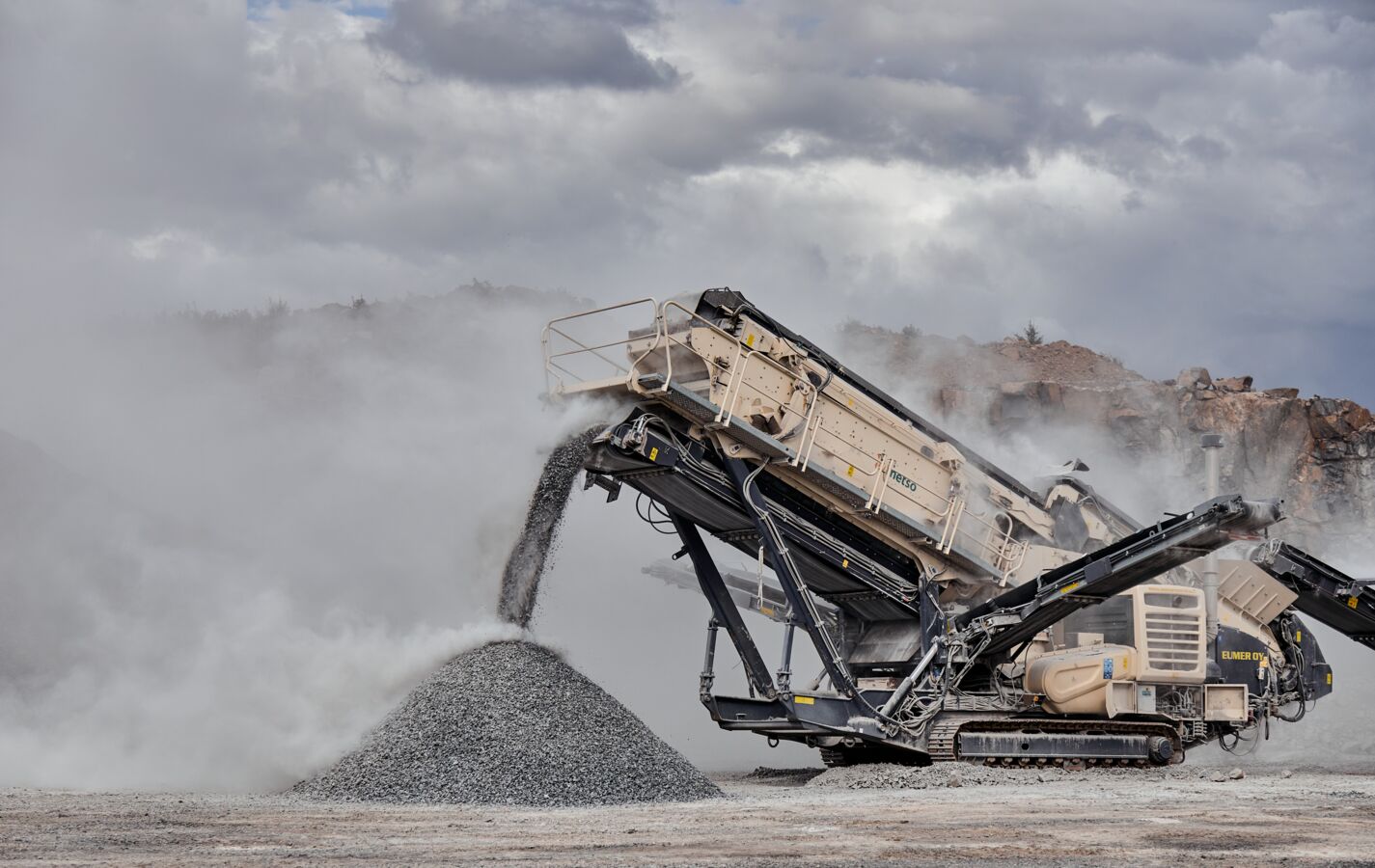
Drilling, blasting, loading, and hauling get most of the attention in a mining or quarrying budget because they involve visible equipment and obvious fuel costs. Crushing and screening consumables sit quietly in the background, used up continuously without the same visibility. Yet they represent close to 25 percent of total operating cost in crushing and screening operations. An expense that large in the budget deserves the same scrutiny applied to fuel, labor, and major equipment purchases.
Why This Is a Financial Decision, Not Just a Sourcing Preference
When these items are treated as a minor purchasing decision, the sourcing choice defaults to whatever is fastest or cheapest at the moment. When they are treated as a quarter of operating cost, the same choice becomes a financial decision that compounds over every replacement cycle for the life of the crusher. The difference between genuine and non-genuine components shows up in how often replacement happens, not just what each item costs at checkout.
What Counts as a Genuine Metso Wear Component
Mantles and Bowl Liners
Mantles and bowl liners form the crushing chamber in a cone crusher. Genuine Metso versions are manufactured to specific manganese grades and profiles engineered for particular feed materials and crushing stages. These components directly determine crushing efficiency, product shape, and how evenly the chamber wears over its service life.
Jaw Dies and Jaw Plates
Jaw dies and plates take the direct impact of material entering a jaw crusher. Genuine components match the exact tooth profile and material hardness the crusher was engineered around, which affects both crushing performance and how long each piece lasts before replacement.
Blow Bars and Impact Components
Blow bars absorb repeated impact in horizontal shaft impact crushers. Because they experience the highest wear rate of almost any crusher item, the material composition and hardness of a genuine blow bar has an outsized effect on total consumable spend across a crushing operation.
How Component Selection Affects Cost Per Ton
Liner Profile and Material Grade Matched to Feed Type
The correct liner profile and manganese grade for a specific feed material can extend service life by a wide margin, sometimes 40 to 80 percent longer than a mismatched or generic alternative. That range alone can be the difference between two replacement cycles a year and four.
What Happens When the Wrong Component Is Installed
An item that does not match the crusher’s engineered tolerances can wear unevenly, reduce crushing efficiency, and in some cases cause damage to surrounding equipment. The immediate cost might look attractive, but the operational cost shows up in reduced throughput and unplanned downtime once the mismatch becomes apparent.
Service Life Differences Between Genuine and Non-Genuine Options
Non-genuine components can look nearly identical to genuine versions while differing in material composition, hardness, and dimensional tolerance. Those differences are invisible until installation and operation begin, at which point shorter service life and inconsistent performance become the real cost, often exceeding whatever was saved on the initial purchase price.
Metso Crusher Liners in the Caribbean: Why Sourcing Accuracy Matters More at a Distance
Why a Wrong or Delayed Order Costs More the Farther It Has to Travel
For operations in the Caribbean or South America, a wrong order does not just mean a replacement shipment. It means a second round of international freight, customs clearance, and lead time on top of the original delay, while a crusher sits idle or runs on a worn liner that is actively costing production quality.
If you want to learn more about what the wrong supplier choice actually costs your operation over time, check out our guide on what machine parts suppliers actually cost you when you choose the wrong one.
What Verified Sourcing Looks Like for Regional Operations
Verified sourcing means confirming the crusher model, chamber configuration, and feed application before an order ships, not after a mismatched item arrives. For Caribbean and South American operations, this verification step matters more precisely because the cost of correcting an error is higher and slower than it would be for an operation with local suppliers nearby.
If you want to learn more about how to order the right replacement part the first time, check out our guide on how to order the right mining replacement part the first time.
Metso Wear Parts in South America: A Real-World Look at the Lokotrack LT106
Why Jaw Die Selection Matters on a Mobile Jaw Crusher Like the LT106
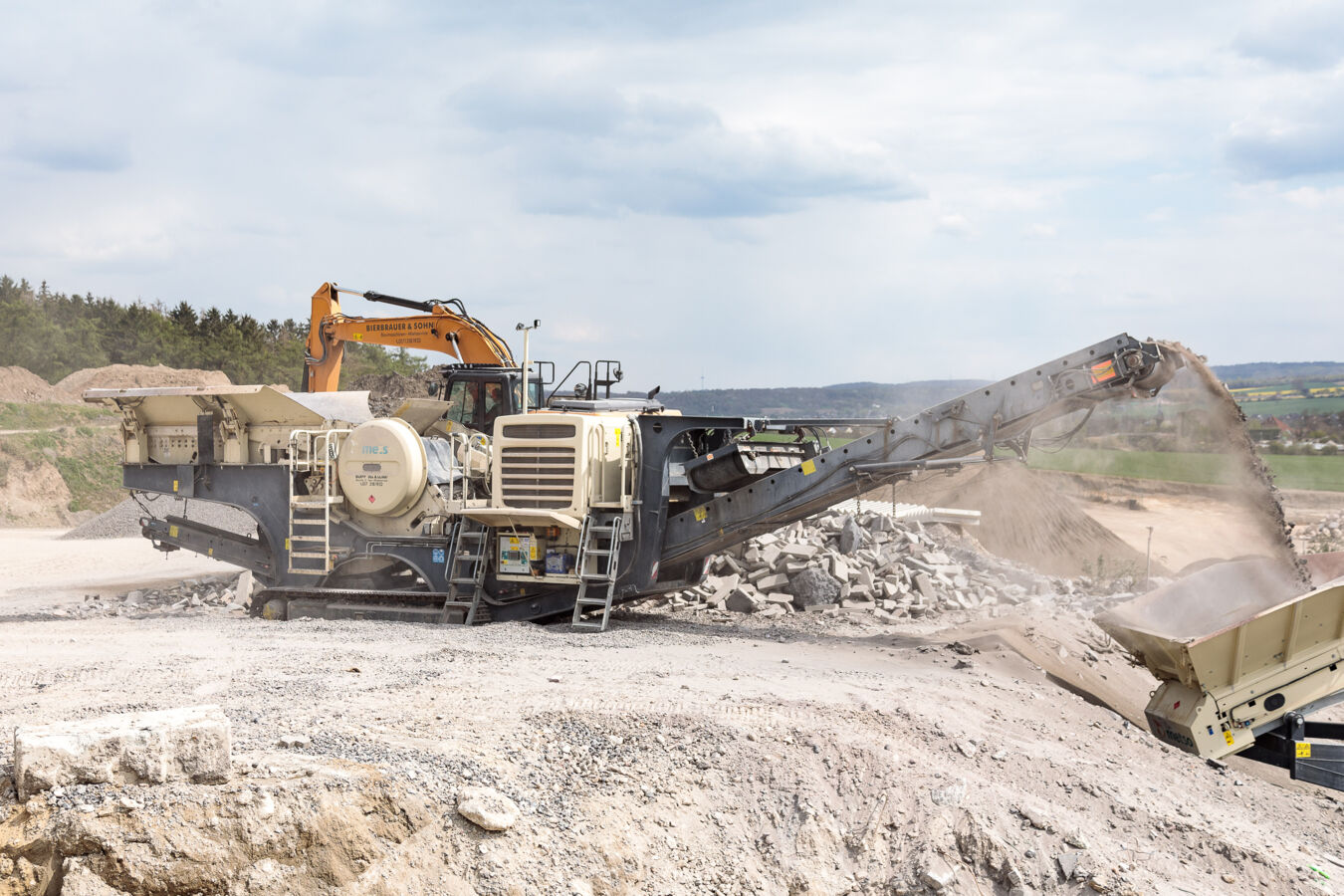
The Lokotrack LT106 mobile jaw crusher is built around a jaw crushing unit that depends on correctly matched jaw dies for both crushing performance and service life. Because mobile plants like the LT106 are often moved between sites with different feed materials, jaw die selection has to account for a wider range of operating conditions than a stationary installation running the same material day after day.
What Operators Running Mobile Plants Should Confirm Before Ordering
Operators running mobile jaw crushers across varying sites should confirm the specific feed material at each location, the current jaw die profile installed, and whether that profile still matches the application before placing an order. A component correct for one site’s material can be the wrong choice at the next.
What Millennium Machinery Delivers as a Metso Aggregates Partner
Genuine Components Backed by Authorized Supply and Technical Support
Millennium Machinery sources genuine Metso wear items directly through the authorized Metso supply chain, with technical support to confirm the correct mantle, liner, jaw die, or blow bar configuration for a specific crusher and application before the order ships.
Serving Mining, Quarrying, and Aggregate Operations Across the Caribbean and South America
As an authorized Metso Aggregates partner, Millennium Machinery supports mining, quarrying, and aggregate operations across the Caribbean and South America with genuine components, technical verification, and export logistics built around the region’s specific requirements.
Quick Answers
Why do wear components matter so much for crushing operating costs?
These items represent roughly 25 percent of total crushing and screening operating cost. At that scale, the choice between genuine and non-genuine options has a measurable effect on total cost per ton over the life of a crusher.
What is the difference between genuine and non-genuine Metso components?
Genuine items are manufactured to Metso’s exact material grades, profiles, and tolerances. Non-genuine alternatives can look similar but often differ in composition and hardness, which affects service life and crushing performance.
How much longer do correctly matched components last?
Correct liner profile and material grade matched to the feed material can extend service life by 40 to 80 percent compared with a mismatched or generic alternative.
Why does sourcing matter more for Caribbean and South American operations?
A wrong or delayed order requires a second round of international freight and customs clearance, which costs more time and money than it would for an operation with local suppliers nearby.
Does jaw die selection matter differently for mobile crushers like the LT106?
Yes. Mobile jaw crushers like the LT106 often operate across varying feed materials as they move between sites, so jaw die selection has to account for a wider range of conditions than a stationary crusher running the same material continuously.
Get the Right Component the First Time
Millennium Machinery sources genuine Metso crusher wear components with verified configuration and technical support for mining and aggregate operations across the Caribbean and South America.
Contact our team today to confirm the right component for your Metso crusher.