


Surface mining and underground mining are not the same job wearing different names. The equipment is different, the environment is different, and the parts each one needs wear out for different reasons. Treating surface mining equipment parts like a generic mining parts category leads to the wrong assumptions about what to stock, what to inspect, and how often replacement is needed. An operation that applies underground thinking to a surface fleet often ends up under-ordering the wrong components while over-ordering ones that were never under real strain to begin with.
This guide breaks down what open-pit operations actually deal with, which components take the most punishment, and how to source the right replacements for a surface fleet without guessing.
Surface Mining vs. Underground Mining: Why Parts Needs Differ
Confined Space vs. Open Environment
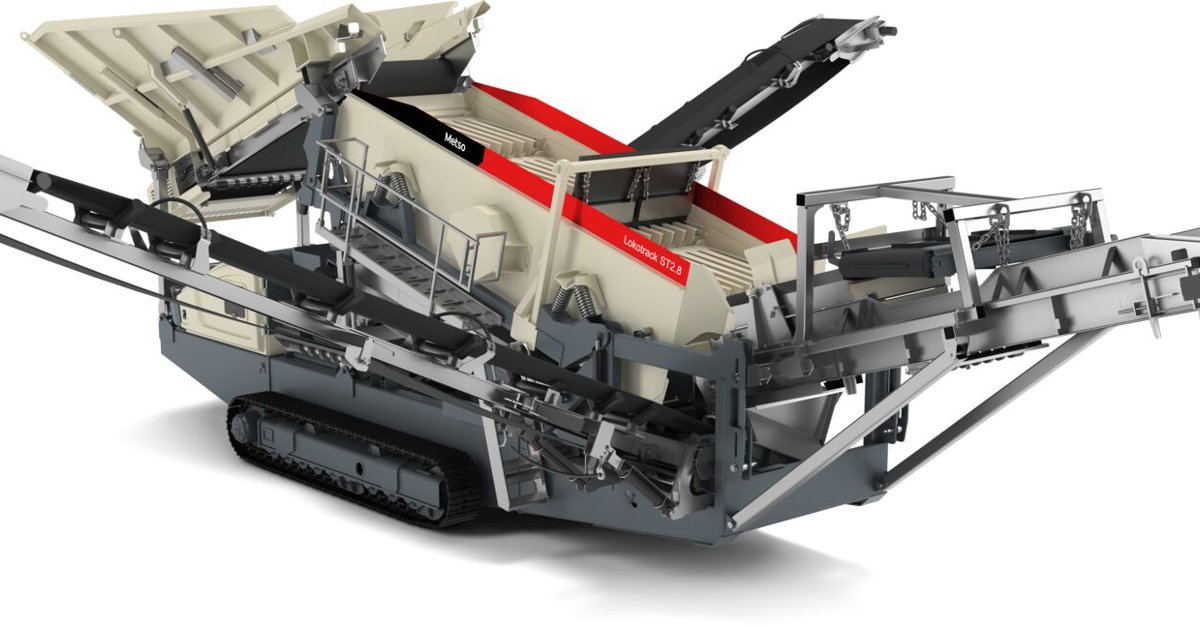
Underground mining takes place in tunnels and shafts, which limits equipment to compact, rugged machines built for tight clearances and restricted maneuvering room. Surface mining happens in open pits and quarries, where there is room for some of the largest mobile equipment ever built, including haul trucks that can carry hundreds of tons per load and shovels sized to match. That difference in scale changes everything downstream, from how components are engineered to how often they need attention and how they are transported to and around the site.
Constant Exposure to Dust, Vibration, and Heat
Surface equipment runs exposed to the elements all day, every shift, in a way underground equipment simply does not. Dust infiltration, vibration from constant hauling and digging, and heat buildup from direct sun and engine load all accelerate wear on components that would age far more slowly in a more controlled underground environment. Seals, filters, and undercarriage components in particular take a beating that has nothing to do with the mineral being extracted and everything to do with the conditions the machine works in day after day, shift after shift.
Common Surface Mining Equipment and Their Wear Parts
Open-pit operations typically run a mix of the following:
- Haul trucks for moving material out of the pit and to processing or waste areas
- Dozers for site clearing, road building, and material pushing
- Shovels and excavators for loading material into trucks
- Draglines for large-scale overburden removal on bigger operations
- Graders for maintaining haul roads that see heavy daily traffic
Each of these machines depends on wear components that fail predictably under surface conditions:
- Bushings and pins in articulation points, bucket linkages, and boom assemblies
- Cutting edges and ground engaging tools that contact abrasive material directly and wear down with every pass
- Hydraulic seals exposed to dust infiltration and repeated temperature swings between operating heat and cooldown
- Undercarriage components on tracked equipment, which see constant load, abrasion, and ground contact stress
- Filters and air intake systems, which work harder in dusty open-pit conditions than in most other applications
Stocking the right parts starts with knowing which of these components are under the heaviest strain on a given site, since that varies by material type, duty cycle, and even the specific bench or pit area a machine is working. A site moving mostly softer overburden puts different demands on cutting edges than one working consistently hard rock, and stocking decisions should reflect that instead of following a generic parts list.
Open Pit Mining Equipment Parts: What Wears Fastest and Why
Scale and Duty Cycle
Open-pit equipment runs longer hours and moves larger volumes than most underground machinery, often operating around the clock across multiple shifts to keep production on schedule. A haul truck making dozens of loaded trips a day, or a shovel cycling continuously through a shift without extended downtime, puts a different kind of stress on components than intermittent underground use does. That duty cycle is often the single biggest factor in how fast a part needs replacing, more so than the specific mineral being mined or the geology of the site.
Abrasive Material and Dust
Abrasive rock and ore accelerate wear on any component that makes direct contact with material, particularly cutting edges, teeth, and bucket linings that take repeated impact and friction. Fine dust also works its way into seals and bearings over time, even on components not directly exposed to the material being handled, which is why filtration and seal condition deserve as much attention as the more obviously worn components on the machine.
Confirming the Right Replacement Part for the Job
Ordering the wrong part costs more than the part itself once downtime, freight, and a second order are added to the equation. Before placing an order, confirm:
- The exact equipment make, model, and configuration the part is going onto, since even small revisions can affect fit
- Whether the application involves unusually abrasive material that calls for a heavier duty version of a standard component
- Application details that affect fit or performance, not just the part number listed on the order
A supplier who asks these questions before quoting a price is doing the buyer a favor, not slowing the process down. Skipping this step is how operations end up with a part that technically matches the number on paper but does not hold up in the application it was actually bought for.
Surface Mining Machinery Replacement Parts: Sourcing Considerations
Mixed Fleets, Multiple Manufacturers
Most surface mining sites do not run a single brand of equipment. A pit might have Caterpillar haul trucks, Komatsu shovels, and Liebherr excavators all working the same site side by side. Surface mining machinery replacement parts sourcing gets complicated fast when a buyer has to manage separate purchasing channels, separate account relationships, and separate lead times for every manufacturer represented on site, instead of working with one supplier who understands the full fleet.
If you want to know more about sourcing parts across a mixed fleet, you can read our guide on simplifying parts sourcing across a mixed equipment fleet.
Why Lead Time Matters More at Open-Pit Scale
A single haul truck or shovel down at open-pit scale can stall an entire production chain, since so much of the operation depends on continuous material movement from pit to processing. That makes lead time a bigger factor in sourcing decisions than it might be for a smaller or intermittent operation, and it is worth prioritizing suppliers who can move quickly and communicate clearly over ones who simply offer the lowest listed price.
Getting the Right Support for Surface Mining Operations
What a Supplier Should Offer Beyond Parts
A strong parts supplier for surface mining operations should offer more than an inventory list. Look for:
- Technical knowledge of surface equipment across multiple manufacturers, not just one brand specialty
- Fast freight coordination and export support for remote or international sites
- Willingness to verify application details before shipping, not just after a problem shows up on site
How Millennium Machinery Supports Surface Fleets From Miami
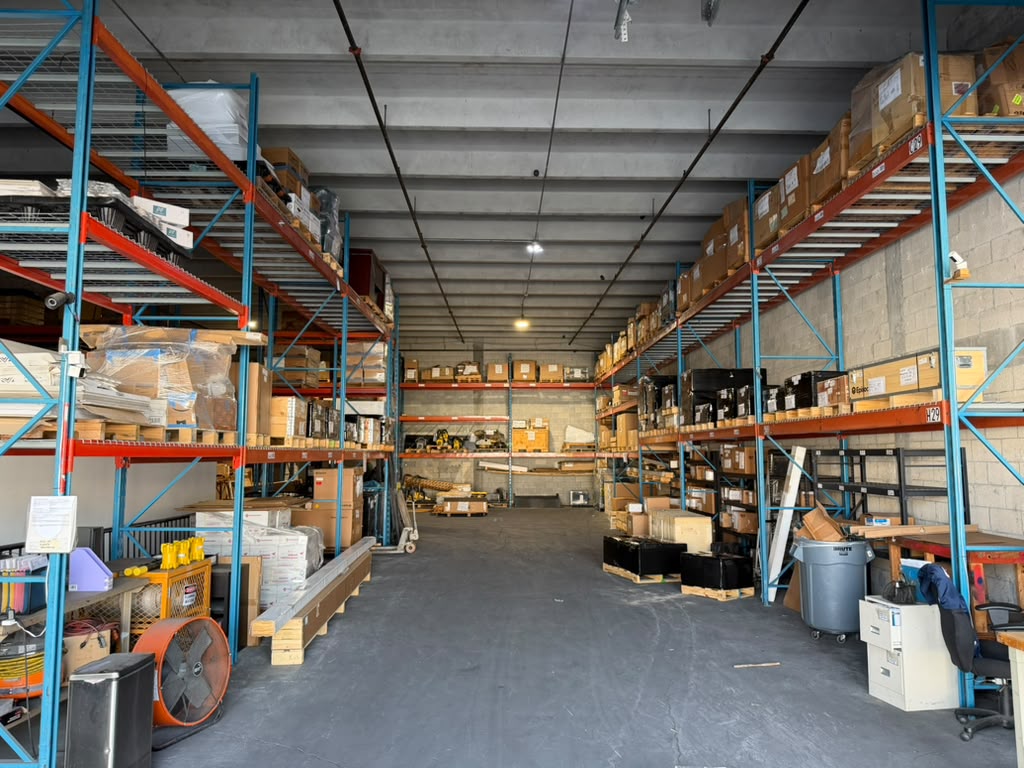
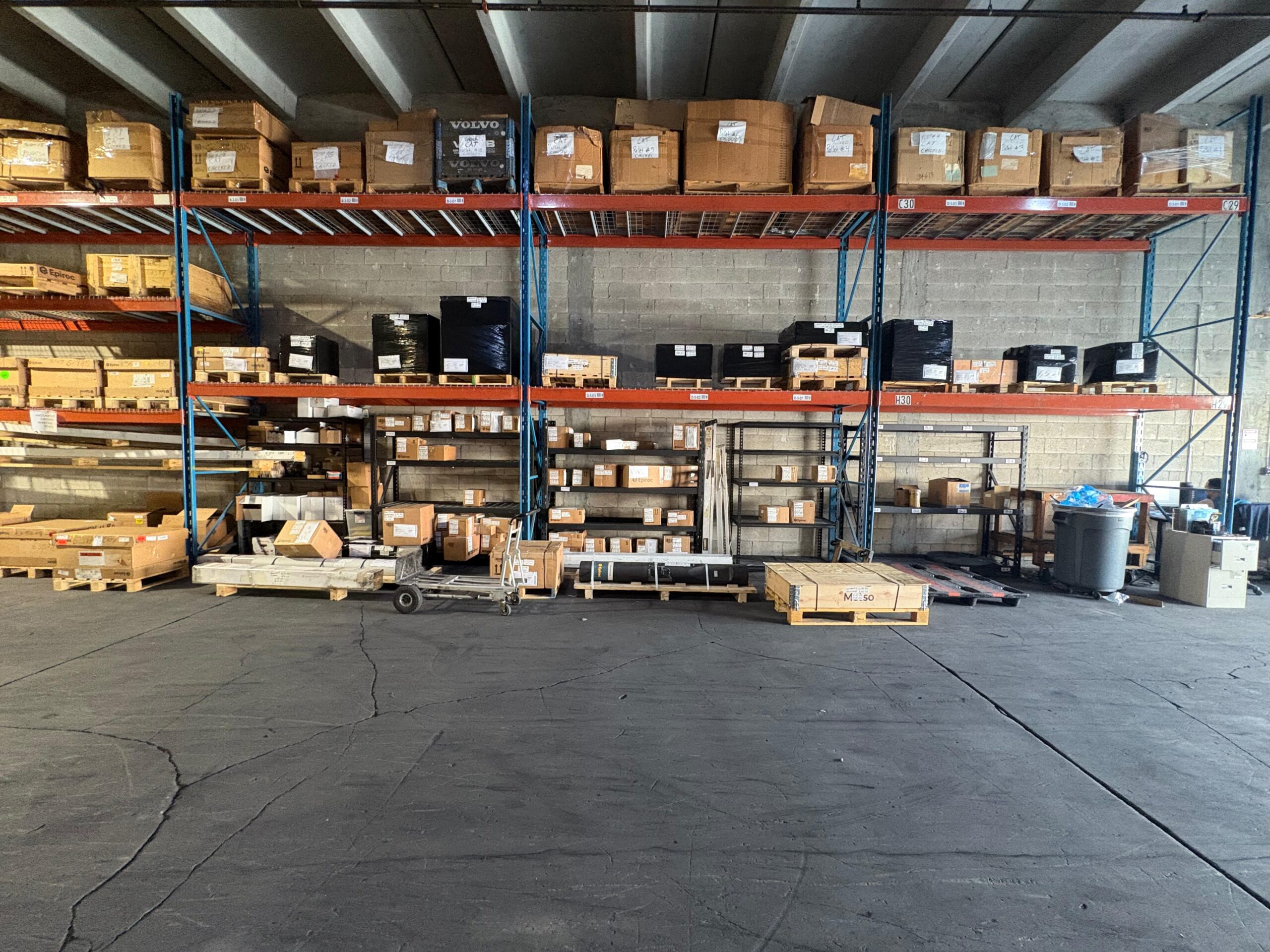
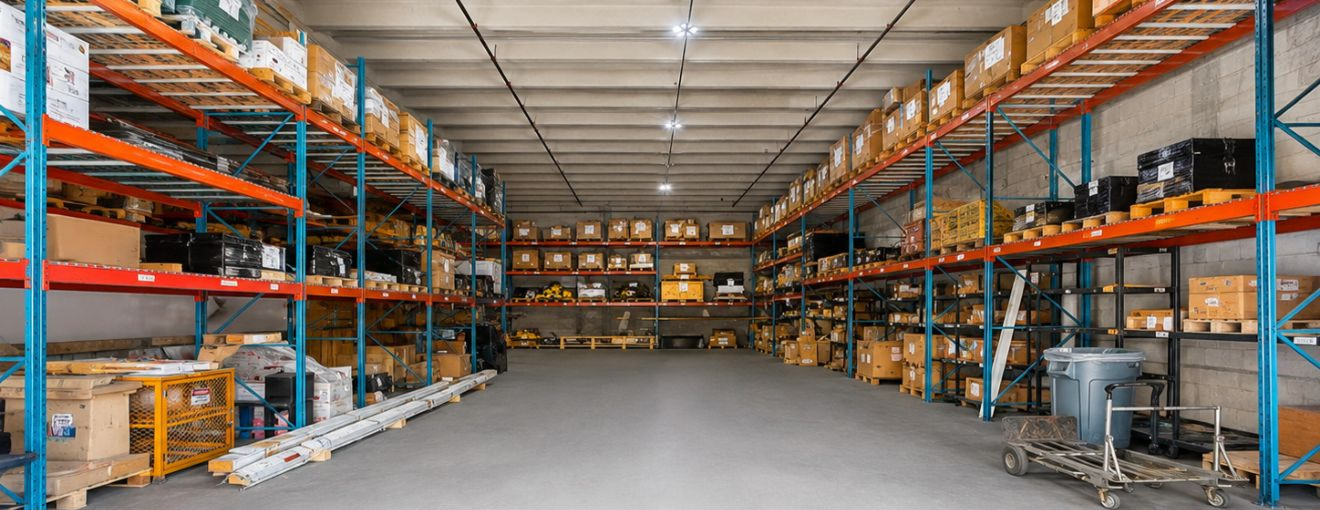
Millennium Machinery, based in Miami, Florida, sources and verifies parts for surface mining equipment across mixed fleets, coordinating freight and export documentation for operations throughout the United States, the Caribbean, and South America. That regional position means faster turnaround than sourcing from an overseas distribution center, without sacrificing the verification step that protects uptime and keeps a fleet running through demanding surface conditions.
Quick Answers
What equipment is used in surface mining vs. underground mining?
Surface mining relies on large mobile equipment like haul trucks, dozers, shovels, and draglines. Underground mining uses more compact machinery built for tunnels and confined spaces.
Which parts wear fastest on open-pit mining equipment?
Cutting edges, ground engaging tools, hydraulic seals, and undercarriage components tend to wear fastest due to constant contact with abrasive material and exposure to dust.
Why does surface mining equipment need different parts than underground equipment?
Surface equipment operates in open, exposed conditions with higher duty cycles, while underground equipment runs in a more controlled environment. That difference changes wear patterns and part selection.
Can one supplier source parts for a mixed surface mining fleet?
Yes, when the supplier has technical knowledge across multiple manufacturers and the sourcing network to support them, which simplifies procurement compared to managing separate channels per brand.
Does Millennium Machinery supply parts for surface mining equipment?
Yes. Millennium Machinery sources and verifies parts for surface mining fleets and coordinates freight and export support from Miami, Florida.
For a closer look at evaluating used components specifically, you can read our guide on what to check before buying used mining machinery parts.
Keep Your Surface Fleet Running
Millennium Machinery sources and verifies surface mining equipment parts for mixed fleets across the United States, the Caribbean, and South America, backed by technical knowledge and fast freight support from Miami.
Contact our team today to get the right parts for your operation.