


Remanufactured quarry components are not the right answer for every situation. But for the right items, in the right applications, they can match new performance at significantly lower cost while reducing lead time and capital exposure. The question most quarry operations get wrong is not whether to use restored units — it is which ones are worth the investment and whether the result will hold up under production demands.
This post covers the performance reality, the total cost comparison, and the conditions that determine when remanufactured quarry components are the smarter choice.
What Remanufacturing Actually Does to a Quarry Component
The Difference Between Remanufactured, Rebuilt, and Used
These three terms are often used interchangeably but they describe very different things:
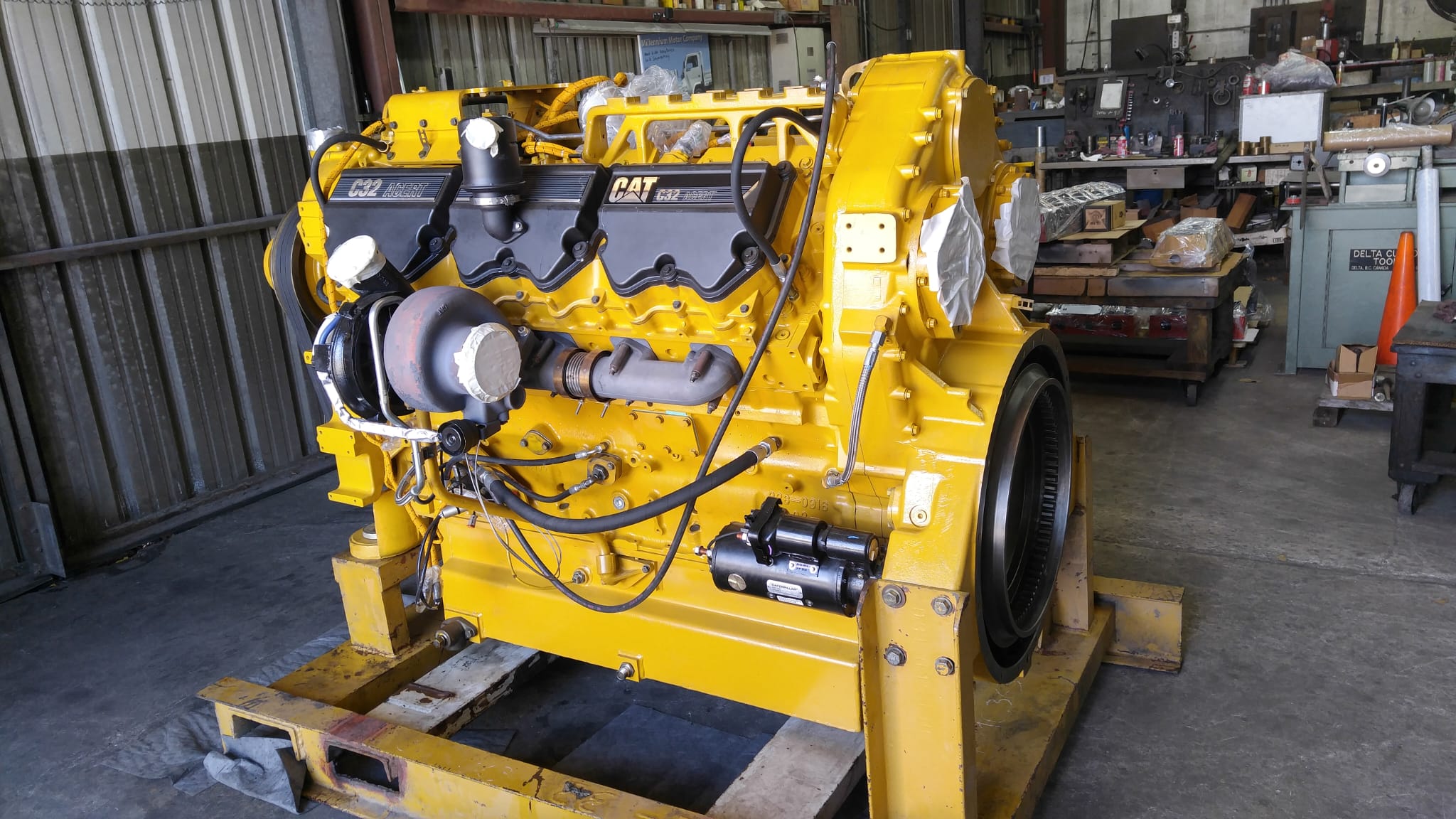
- Remanufactured: fully disassembled, cleaned, inspected, worn elements replaced, reassembled, and tested to restore like-new performance and specification
- Rebuilt: disassembled only to the point of failure and restored to working condition, not necessarily to original specification
- Used: sold in existing condition with unknown wear history and no restoration process
Performance expectations, warranty coverage, and installation risk differ significantly across all three. Done correctly, a remanufactured unit performs to the same standard as a new one — not a used item dressed up for resale.
What the Process Restores
Proper remanufacturing restores internal geometry, surface conditions, clearances, and structural integrity. For hydraulic units this means pump internals, seals, valves, and pressure ratings. For final drives it means gear geometry, bearing surfaces, and housing tolerances. For crusher-specific work it means fitment dimensions and operational load ratings.
Why Process Quality Determines the Outcome
The remanufacturing process is only as good as the facility performing it. An item restored without proper cleaning, inspection, measurement, and testing will not perform like new regardless of what it is called. Operations sourcing remanufactured quarry components from providers without documented processes take on risk that may not appear until the unit is installed and under load.
How Remanufactured Quarry Components Perform Under Production Conditions
Crushing Performance After Remanufacturing
For crusher hydraulic systems and structural parts restored to OEM specification, performance is typically comparable to new. Pressure ratings, flow characteristics, and mechanical load capacity return to original parameters when the process is done correctly. The more relevant question is not whether a restored unit performs but how long it performs under quarry-specific conditions.
Consider a real example: a hydraulic pump on a cone crusher priced at $15,000 new, restored correctly through a documented process, delivers 85 percent of original service life at $8,500. That is $6,500 saved per unit with comparable uptime — and availability in days rather than weeks.
Wear Life Compared to New
Wear life varies by item type and process quality. Properly remanufactured hydraulic pumps and motors typically deliver 70 to 90 percent of new service life. For final drives and swing parts, longevity depends on core condition and the quality of replacement elements used during restoration. In many cases, a restored unit from a controlled process outlasts a low-quality new one from an unverified source.
Where Restored Units Match New and Where They Fall Short
Restored units perform closest to new when:
- The core structure is intact and failure was limited to wear surfaces or internal elements
- The operating environment is consistent and predictable
- Installation is performed correctly with proper torque, alignment, and break-in procedures
They fall short when the core has hidden structural damage, when restoration was incomplete, or when installed in an application exceeding the restored rating.
Which Quarry Equipment Parts Are the Best Candidates
High-Value Items With Reusable Core Structures
The strongest candidates are parts where the core retains structural value after normal service. These include:
- Hydraulic pumps and motors on crushers and mobile equipment
- Final drives on excavators, dozers, and articulated haul trucks
- Swing parts and travel motors
- Crusher mainframes and eccentric units with confirmed structural integrity
- Transmissions and torque converters on loading equipment
These are also among the most expensive quarry equipment parts to replace new, which makes the remanufacturing argument strongest here.
Items That Are Not Good Candidates
Wear consumables are not remanufacturing candidates. Crusher liners, mantles, blow bars, and screening media reach end of service life through designed-in wear and should always be replaced new. Extending their use beyond rated wear limits creates production risk without meaningful savings.
How to Evaluate Whether a Core Is Worth Restoring
A core with structural cracking, fatigue damage, or dimensional loss beyond recoverable limits is not a viable candidate regardless of type. A qualified technical review before committing to restoration prevents spending more on the process than it is worth.
Total Cost of Ownership: Remanufactured vs New
Upfront Savings and What They Actually Mean
Remanufactured quarry components typically cost 30 to 50 percent less than new equivalents. For a hydraulic pump priced at $15,000 new, that represents $4,500 to $7,500 in savings. Across a fleet with multiple high-wear items reaching end of life simultaneously, those savings become significant budget relief.
For a full breakdown of how poor sourcing decisions compound costs across an operation, read our guide on what the wrong machine parts supplier actually costs your operation.
How Wear Life Affects True Cost Per Ton
The correct evaluation metric is not unit price but cost per operating hour or cost per ton processed. If a restored unit costs 40 percent less than new but delivers 80 percent of the service period, the cost per ton is still favorable. At 90 percent of service life, the value proposition is stronger than the upfront price alone suggests.
Lead Time Advantages and Downtime Costs
New parts for certain crusher configurations can carry lead times of six to twelve weeks from the manufacturer. A remanufactured equivalent from a stocked supplier can often be available in days. For a quarry producing thousands of tons daily, the expense of extended downtime frequently exceeds the price difference. Lead time is part of the total cost calculation.
For a deeper look at what supplier response speed means for downtime costs when equipment fails, read our guide on what your operation actually needs from mining replacement components suppliers when equipment goes down.
When Remanufactured Crusher Components Make Operational Sense
Budget Cycles and Capital Constraints
When capital budgets are constrained and multiple items need attention simultaneously, remanufactured options allow operations to address more failure points without deferring critical work. Using restoration as a budget strategy is not cutting corners — it is allocating resources where they create the most operational value.
Older Equipment With Remaining Service Life
Remanufacturing makes the strongest financial case on equipment that has structural life remaining but needs part-level restoration. Investing in a new unit on machinery two years from planned replacement is difficult to justify. A restored one that brings performance back at lower cost for that remaining period is a rational call.
When New Is the Better Choice
New parts are the right call when:
- The application involves continuous extreme loads pushing units to their rated limits
- The equipment is new or mid-life with long service expectations ahead
- Remanufactured availability from a verified source cannot be confirmed
- The price difference does not justify the additional evaluation required
What to Verify Before Installing Remanufactured Quarry Equipment Parts
Before approving any restored item for installation, confirm:
- Fitment compatibility with the specific machine model, serial number, and configuration
- Documentation of the restoration process including inspection findings and replaced elements
- Testing results confirming it meets pressure, load, or performance specifications
- Warranty terms and applicable conditions
- Supplier experience with the specific item type and application
Any item without this documentation is a rebuilt or used part being represented as remanufactured. The difference has real operational consequences.
For a complete guide on what to look for when sourcing restored parts and how to evaluate supplier capability before committing, read our post on what quarry operations need to know before sourcing remanufactured components.
What a Properly Sourced Remanufactured Component Looks Like Before Installation
When a remanufactured quarry component is sourced correctly, it arrives with:
- A verified match to machine model, serial number, and configuration confirmed before shipment
- Full process documentation showing disassembly findings, replaced elements, and testing results
- Pressure, load, or performance test data confirming the unit meets OEM specification
- A clear warranty with defined terms and conditions
- A supplier who can answer technical questions about the specific application
If any of these are missing, the item is not a true remanufactured unit regardless of how it was described in the order. Confirming all five before installation is the only way to protect the rebuild investment and avoid a repeat failure.
How Millennium Machinery Supports Remanufactured Component Sourcing
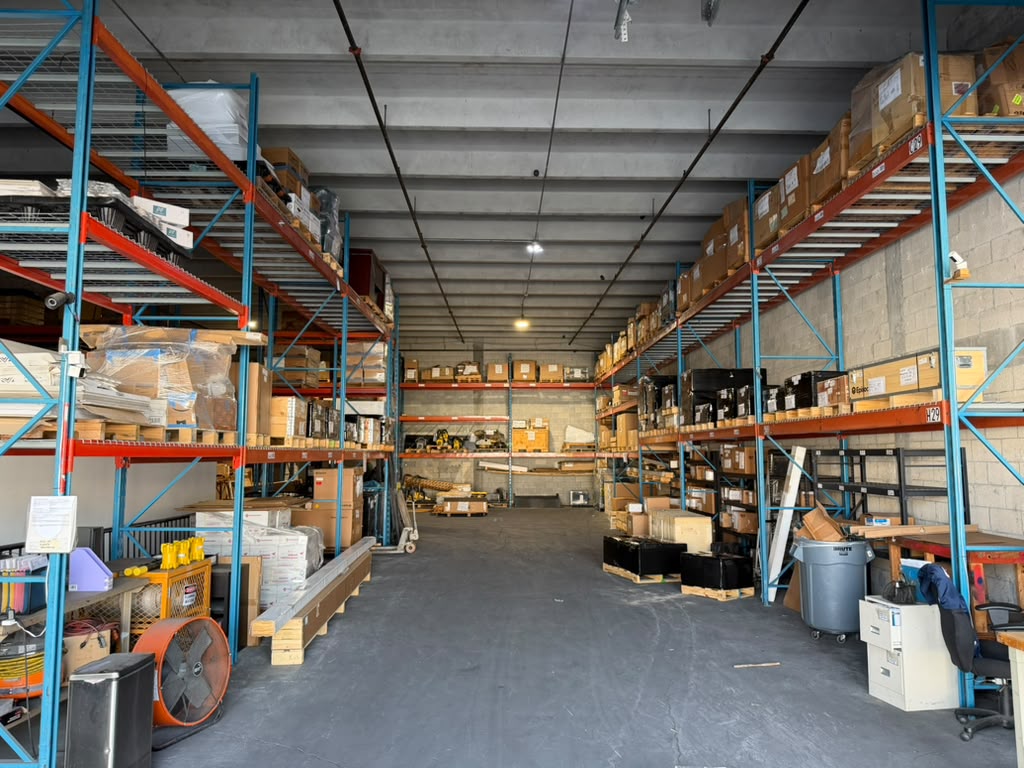
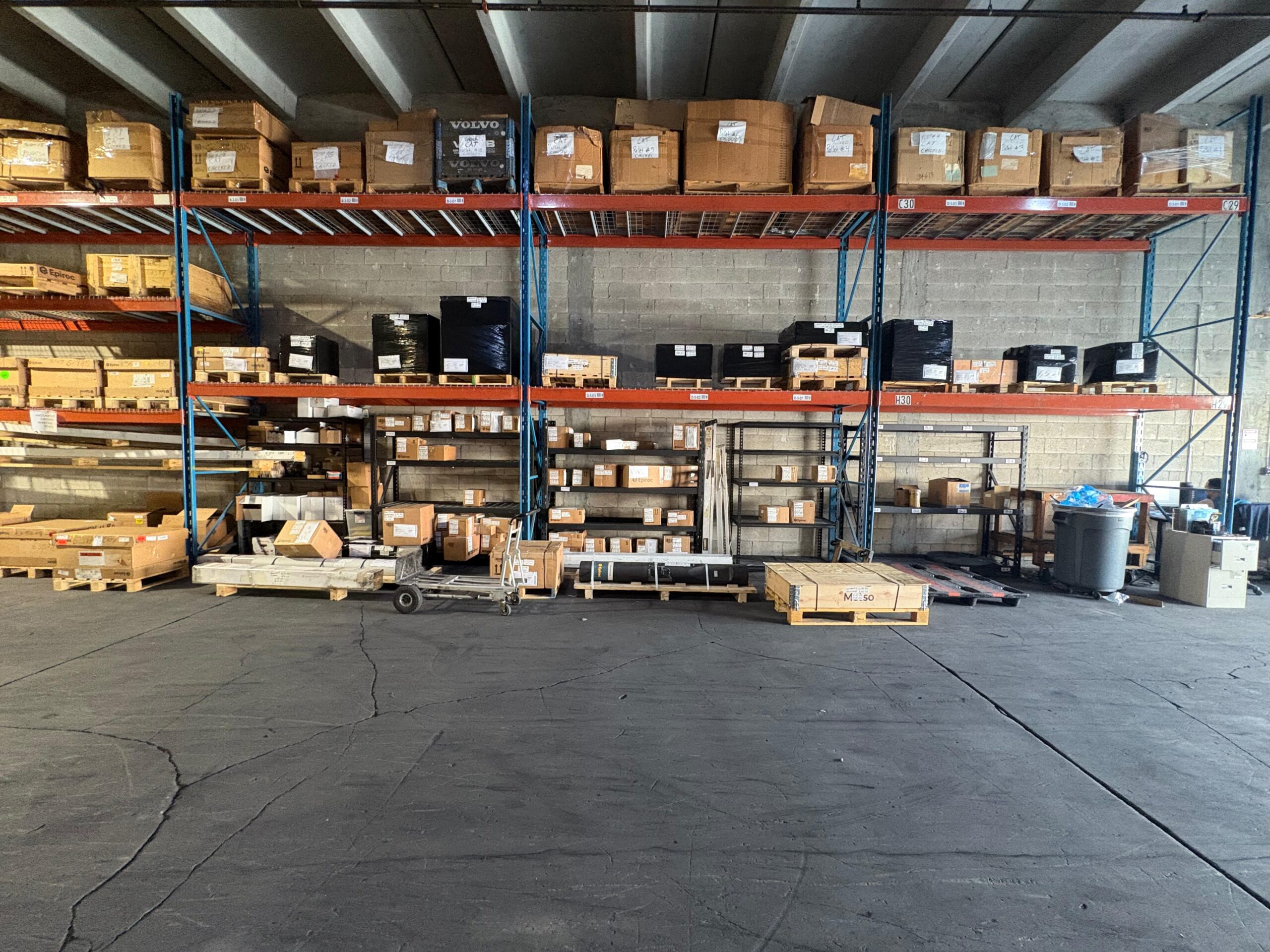
Millennium Machinery supplies remanufactured quarry components and heavy equipment parts for operations across the U.S., Caribbean, and Latin America. Based in Miami, the team serves mining, quarrying, aggregate, and industrial customers across Epiroc, Metso, Caterpillar, Komatsu, and other major platforms.
Every order goes through technical verification of machine model, serial number, application context, and fitment before confirmation. For remanufactured items specifically, the team helps customers evaluate whether the type and application are appropriate candidates before sourcing begins.
Support includes:
- Remanufactured hydraulic units, final drives, and crusher parts
- Technical fitment verification before every order
- OEM and quality-verified aftermarket sourcing across multiple platforms
- Export documentation and freight coordination for Caribbean and Latin American deliveries
- Guidance on new versus remanufactured decisions based on application and budget
Quick Answers
Q: How do remanufactured quarry components perform compared to new?
When restored to OEM specification through a proper process they typically deliver 70 to 90 percent of new service life at 30 to 50 percent lower cost. Performance depends on process quality, core condition, and correct installation.
Q: Which quarry equipment parts are the best candidates for remanufacturing?
Hydraulic pumps and motors, final drives, swing parts, travel motors, and crusher eccentric units where the core is structurally sound. Wear consumables such as liners, mantles, and blow bars should always be replaced new.
Q: How much can remanufactured crusher components save versus new?
Savings typically range from 30 to 50 percent on unit price. When lead time advantages are factored in, total operational savings are often significantly higher than the price difference alone.
Q: What should I verify before installing remanufactured quarry components?
Fitment compatibility, process documentation, testing results, warranty terms, and supplier experience with the specific item type. Any item without this information is not a true remanufactured unit.
Q: Does Millennium Machinery supply remanufactured components for quarry equipment?
Yes. Millennium Machinery sources remanufactured quarry components across multiple equipment platforms and verifies fitment and application before every order. Contact the team to discuss your specific needs.
Get the Right Component Decision
Millennium Machinery supports quarry and mining operations with remanufactured component sourcing, technical verification, and coordination built for demanding production environments.
Contact our team today to discuss your equipment and find the right solution for your application.