


Ship urgent equipment parts to the Caribbean by air when each day of downtime costs more than the extra freight, and by ocean when parts are heavy, bulky or needed on a planned date. That single rule settles most decisions. This guide shows how to apply it, which parts usually go by air or by sea, what paperwork a shipment needs, and how to plan around hurricane season for sites across the Bahamas, Trinidad and Tobago, Guyana and the wider region.
| Key takeaways Choose air when downtime cost per day times days saved is greater than the extra freight cost.Send small, critical parts by air and heavy wear parts by ocean.Airlines charge by the greater of actual weight or dimensional weight.Plan critical spares before hurricane season, which runs June 1 to November 30. |
Air freight or ocean freight: how to decide
Air freight is faster and costs more per kilogram. Ocean freight is slower and far cheaper for heavy loads. To decide, compare the extra freight cost with what the delay costs you:
| Choose air when (downtime cost per day × days saved) is greater than (air freight cost − ocean freight cost) |
Here is an illustrative case. If a stopped machine costs $4,000 per day and air saves ten days, air is worth up to $40,000 more than ocean. If the part is a $600 sensor that costs $900 more to fly, air wins easily. If the part is a two-ton set of track chains and air would cost many times more, the answer changes unless the whole site is down. Use your own downtime figure; our article on the true cost of lead time delays in mining operations shows how to calculate it.
Air express, air freight, LCL and full container compared
| Option | Speed | Cost | Best for | Watch out for |
| Air express (courier) | Fastest | Highest per kilogram | Small, critical, high-value parts | Size and weight limits; dimensional weight |
| Air freight | Fast | High | Mid-size urgent parts and consolidated orders | Airport pickup and customs clearance at destination |
| Ocean LCL (shared container) | Slow | Low | Planned orders of mixed parts | Consolidation time and sailing schedule |
| Ocean FCL (full container) | Slowest to schedule | Lowest per unit for heavy loads | Liners, undercarriage, engines and bulk stock | Needs enough volume; port and inland handling |
Which parts should ship by air and which by sea?
As a rule, small parts that stop a machine go by air, and heavy parts that wear out predictably go by sea.
- Usually by air: seal and gasket kits, injectors, sensors and electronic modules, turbochargers, bearings and small hydraulic components.
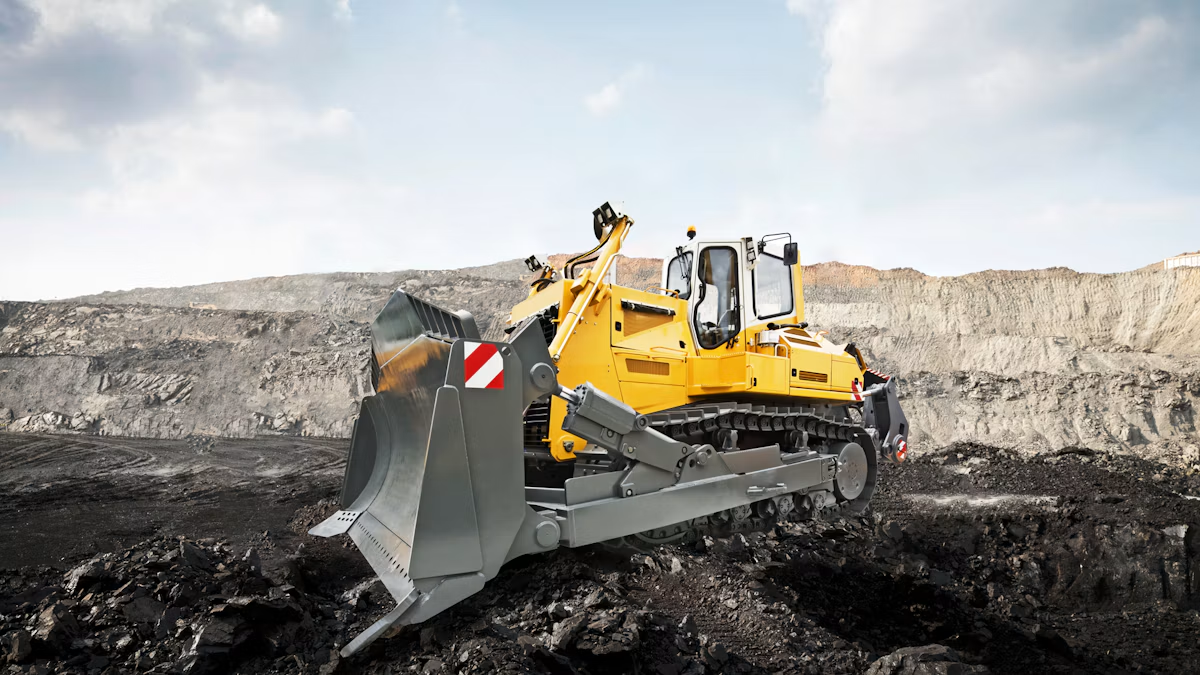
- Usually by ocean: crusher liners and jaw dies, track chains and other undercarriage, engines, large hydraulic cylinders and bulk wear-part stock.
Knowing your high-failure parts lets you stock them before you need to fly them in. Our list of the most common failure parts on Epiroc and Metso equipment is a good starting point. One caution on air freight: carriers charge on the greater of actual weight or volume, called dimensional weight, so a light but bulky part can cost as much to fly as a heavy one.
What paperwork does a parts shipment need?
Missing documents cause more delays than distance. Prepare these for every shipment:
- A commercial invoice with accurate descriptions and values.
- A packing list that matches the boxes.
- A harmonized system (HS) code for each item.
- A certificate of origin where the destination requires one.
- Electronic export information for shipments above the US reporting threshold, commonly $2,500 per Schedule B number. Confirm with your broker.
Import rules differ by island, so work with a local customs broker at the destination. For more on staying compliant, read our guide to sourcing critical mining parts internationally without customs or compliance issues.
How ocean shipping to the Caribbean works from Miami
Regular container services run from South Florida. As XPO’s help center explains, freight is taken to Tropical Shipping facilities in Miami or West Palm Beach, loaded into containers and shipped to more than 30 Caribbean and Bahamian locations, with weekly departures to a number of them.
Because sailings are scheduled, the cut-off date matters as much as transit time. A part that misses a cut-off by one day waits a full week. When you place an order with us, ask for the next consolidation date so you can time the purchase.
Plan around hurricane season
The Atlantic hurricane season runs from June 1 to November 30. Storms can delay sailings, close ports and disrupt flights, so a parts plan that works in March can fail in September. Three habits help: order critical spares before the season starts, add buffer days to every ocean estimate, and confirm the destination port is open before you release a shipment. Our guide to building a parts inventory strategy that protects uptime shows how to rank spares by criticality and lead time.
Avoid the most expensive freight mistake: the wrong part
Express freight on the wrong part is the worst of both worlds. You pay a premium for speed and still wait for a second shipment. Check every part number against the machine serial number before anything leaves the warehouse. Read how to order the right part the first time and the real cost of getting an order wrong.
Shipping from Miami to our service areas
We supply parts to operations in the Bahamas, Turks & Caicos, British Virgin Islands, US Virgin Islands, Dominica, Grenada, St. Lucia, Bonaire, Curacao, Trinidad and Tobago, Suriname, Guyana, French Guiana, Argentina and Ecuador. Each destination has its own port, customs process and schedule, so ask for a quote that names your island and delivery method.
How Millennium Machinery helps
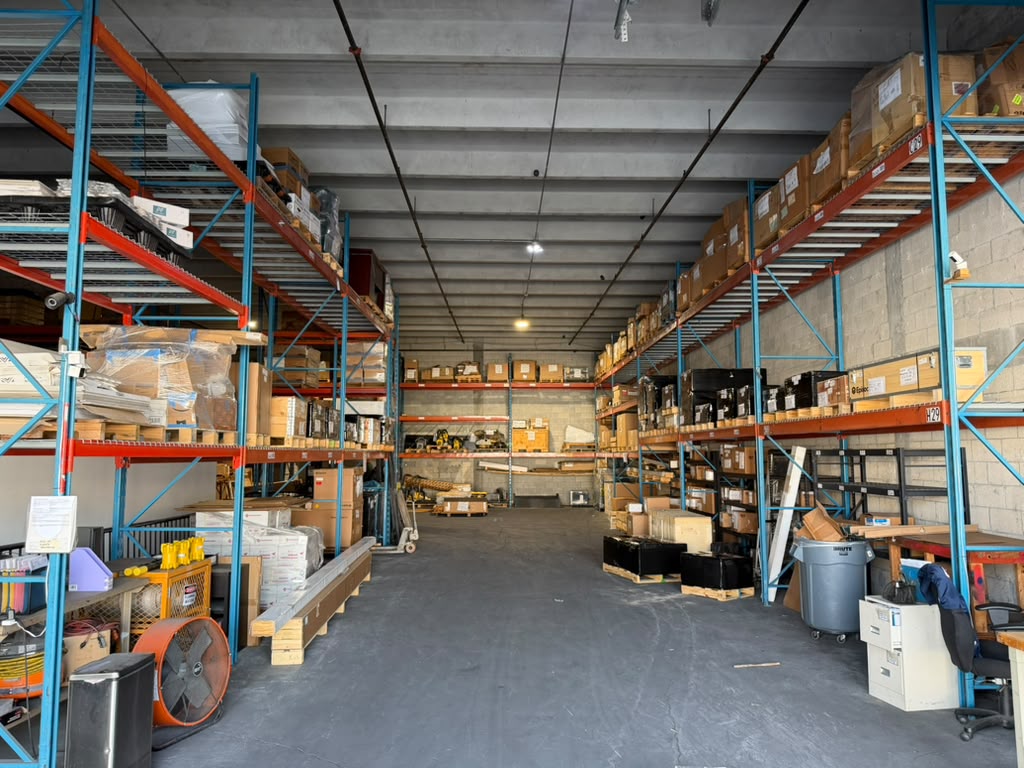
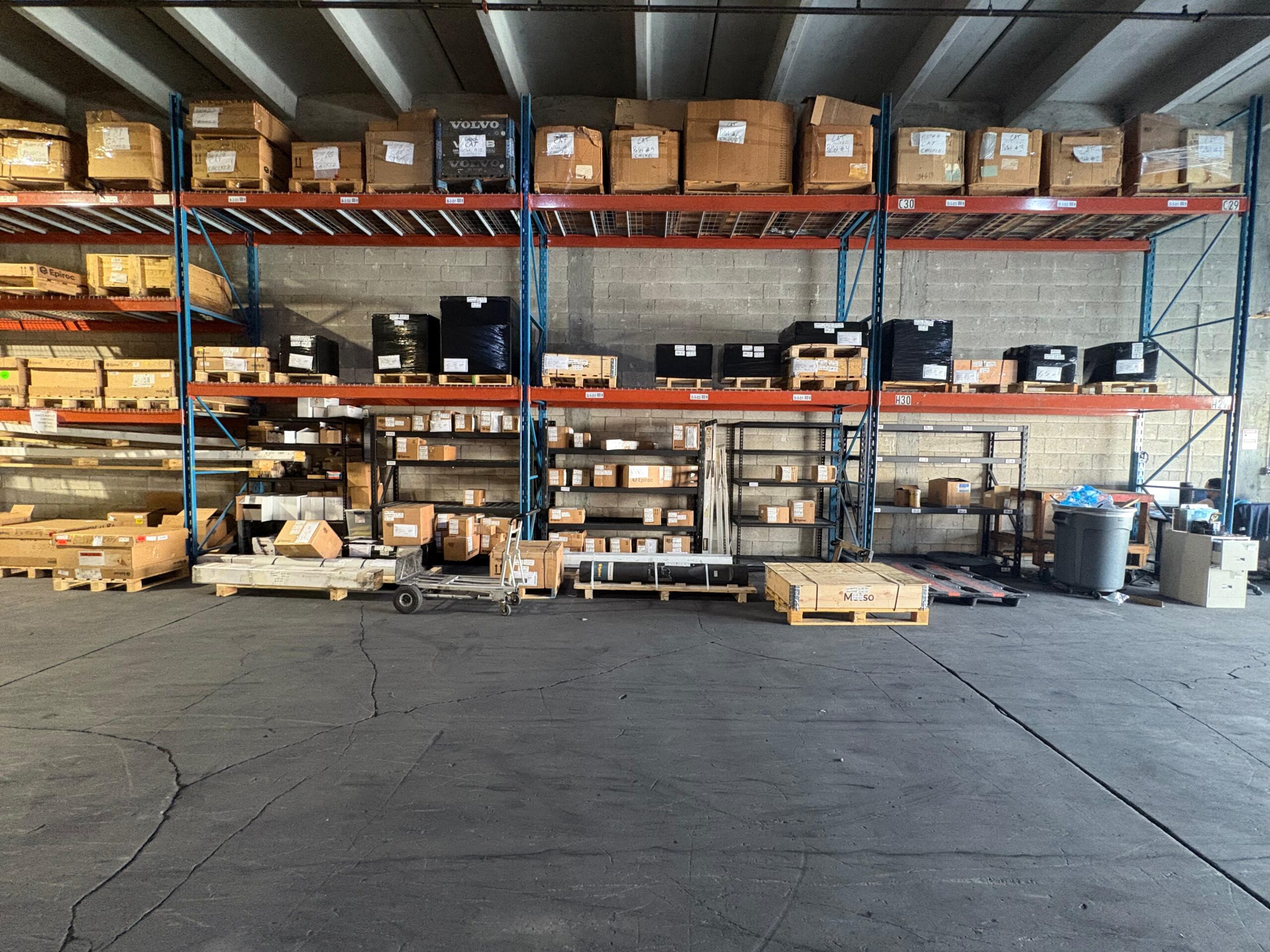
We supply parts from our Miami headquarters to mining, quarry and construction operations across the Caribbean and South America. Send the machine model, serial number, part numbers and delivery location through our product enquiry form and we will quote the parts together with shipping options. Our Spare and Wear Parts page lists the brands we source, and our Service Support team can help when the repair itself is urgent.
Frequently asked questions
How long does it take to ship equipment parts from Miami to the Caribbean?
It depends on the island, the shipping mode and customs clearance. As a rule, air shipments arrive in days and ocean shipments take weeks, plus the wait for the next sailing. Request a quote that names your destination for a specific estimate.
Is air freight worth it for heavy equipment parts?
Rarely, unless the whole machine or site is stopped. Use the break-even rule: air is worth it when daily downtime cost times days saved exceeds the extra freight cost.
What documents are needed to ship parts to the Caribbean?
Prepare a commercial invoice, a packing list and HS codes for every item, plus a certificate of origin where required and export filings when the value passes the reporting threshold. Destination rules vary by island.
What is dimensional weight?
Dimensional weight is a volume-based weight that carriers compare with actual weight. You are charged for the greater of the two, so bulky, light parts can cost more to fly than their weight suggests.
Can I ship parts to Guyana or Suriname from Miami?
Yes. We supply operations in Guyana, Suriname and the other countries on our service-area list. Send the part numbers and delivery location and we will quote shipping options with the parts.
Need parts on an island site? Send your machine details and delivery location and we will quote the parts with air and ocean options. Request a quote.